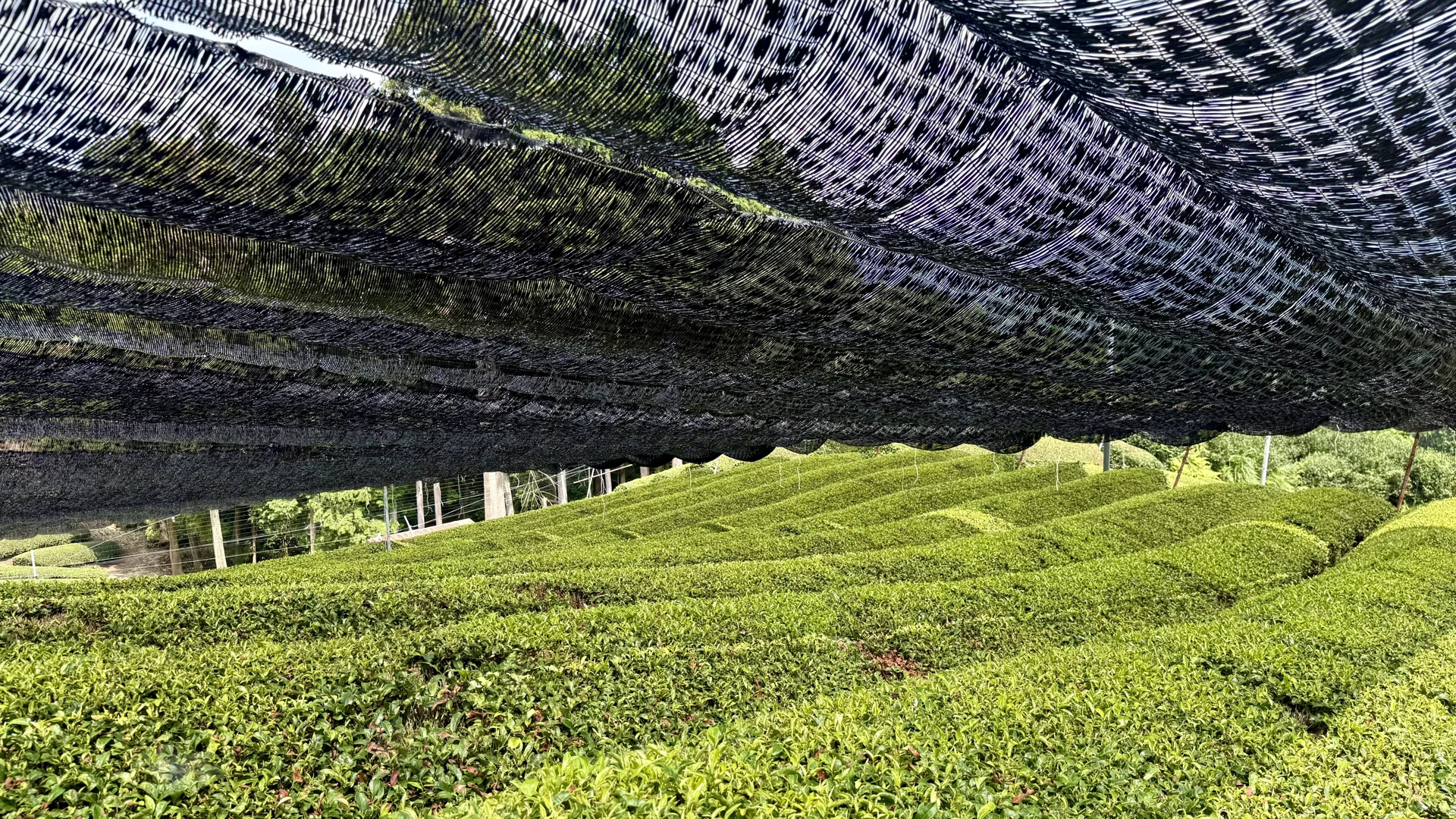
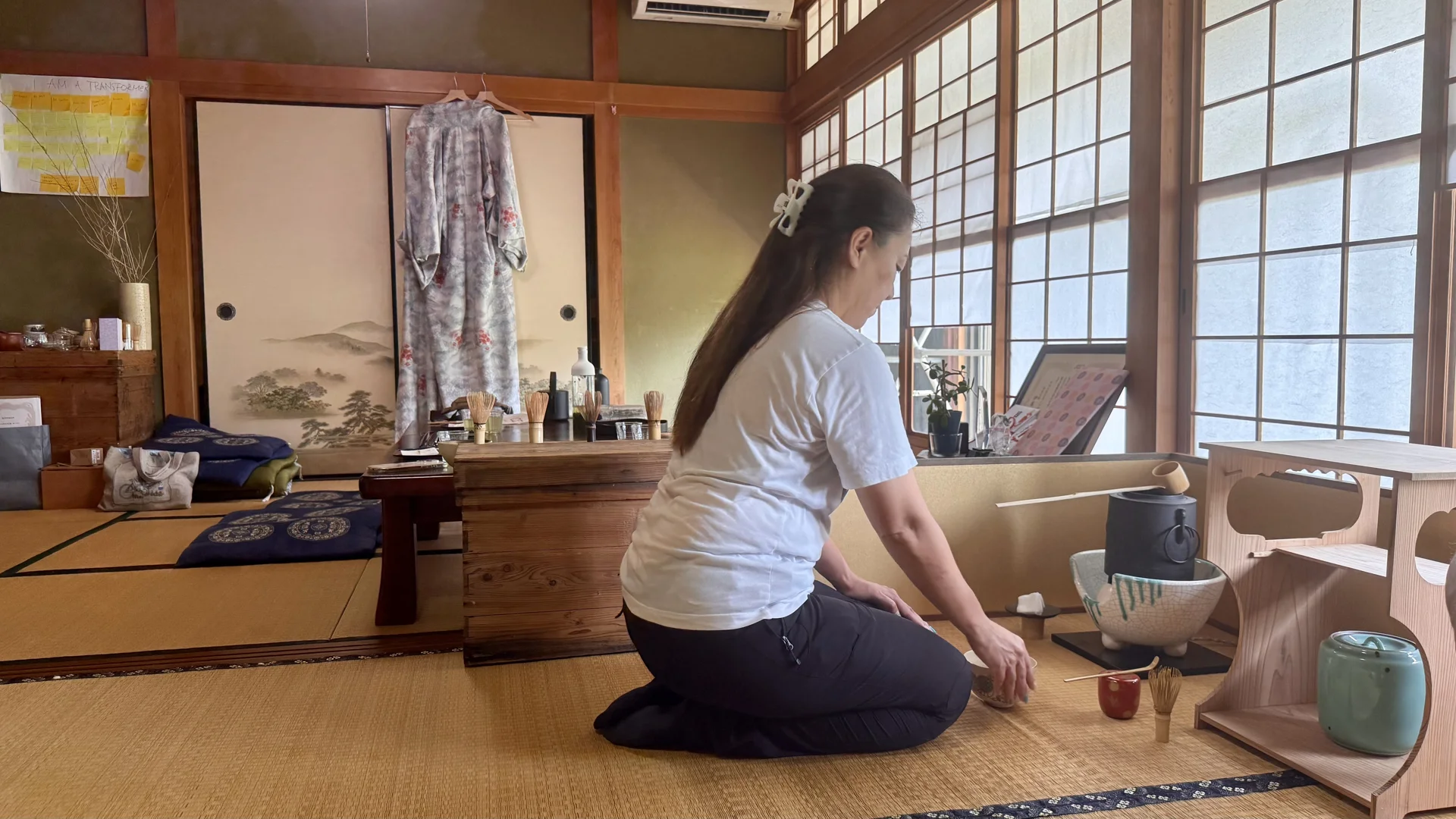
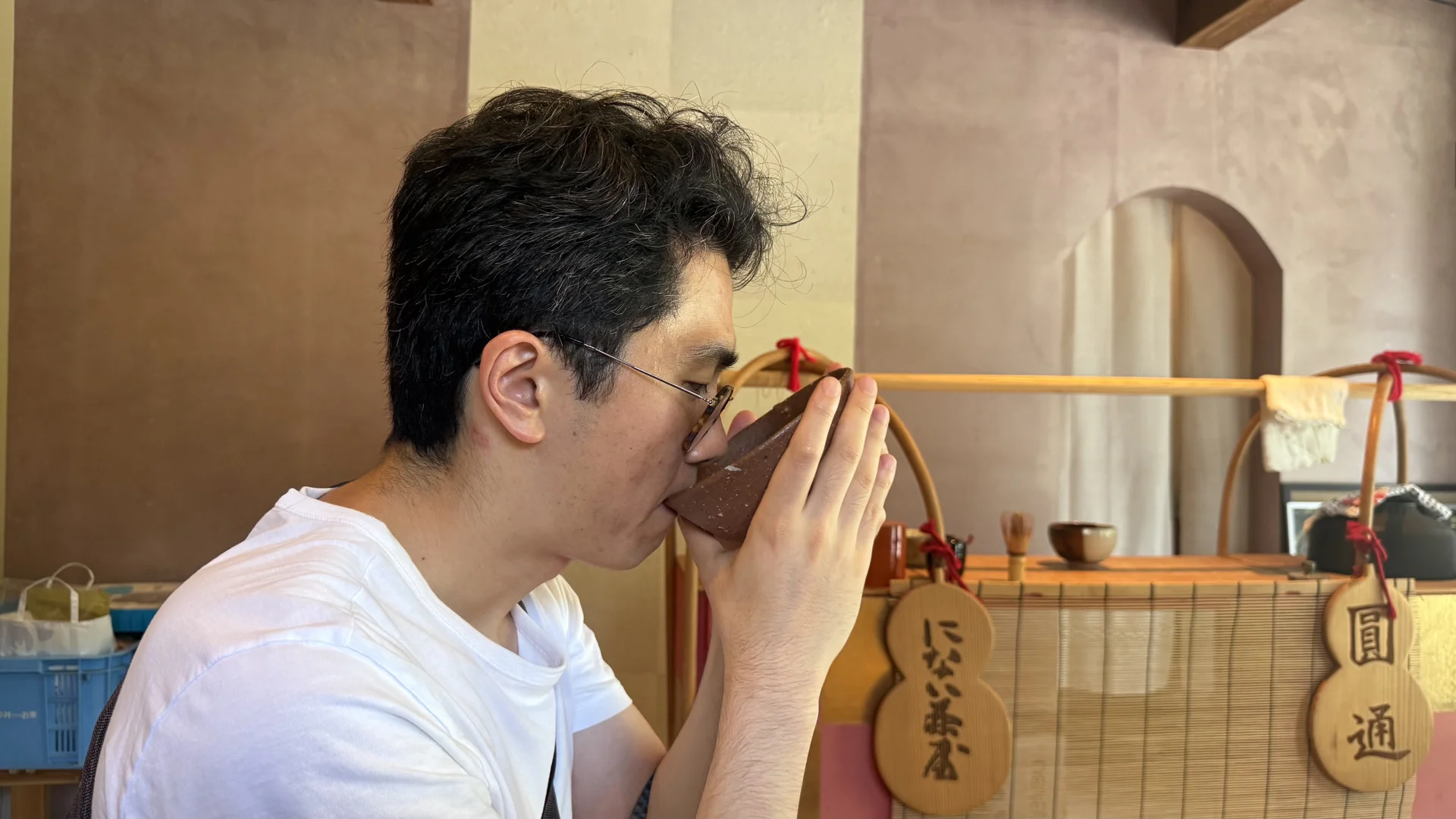
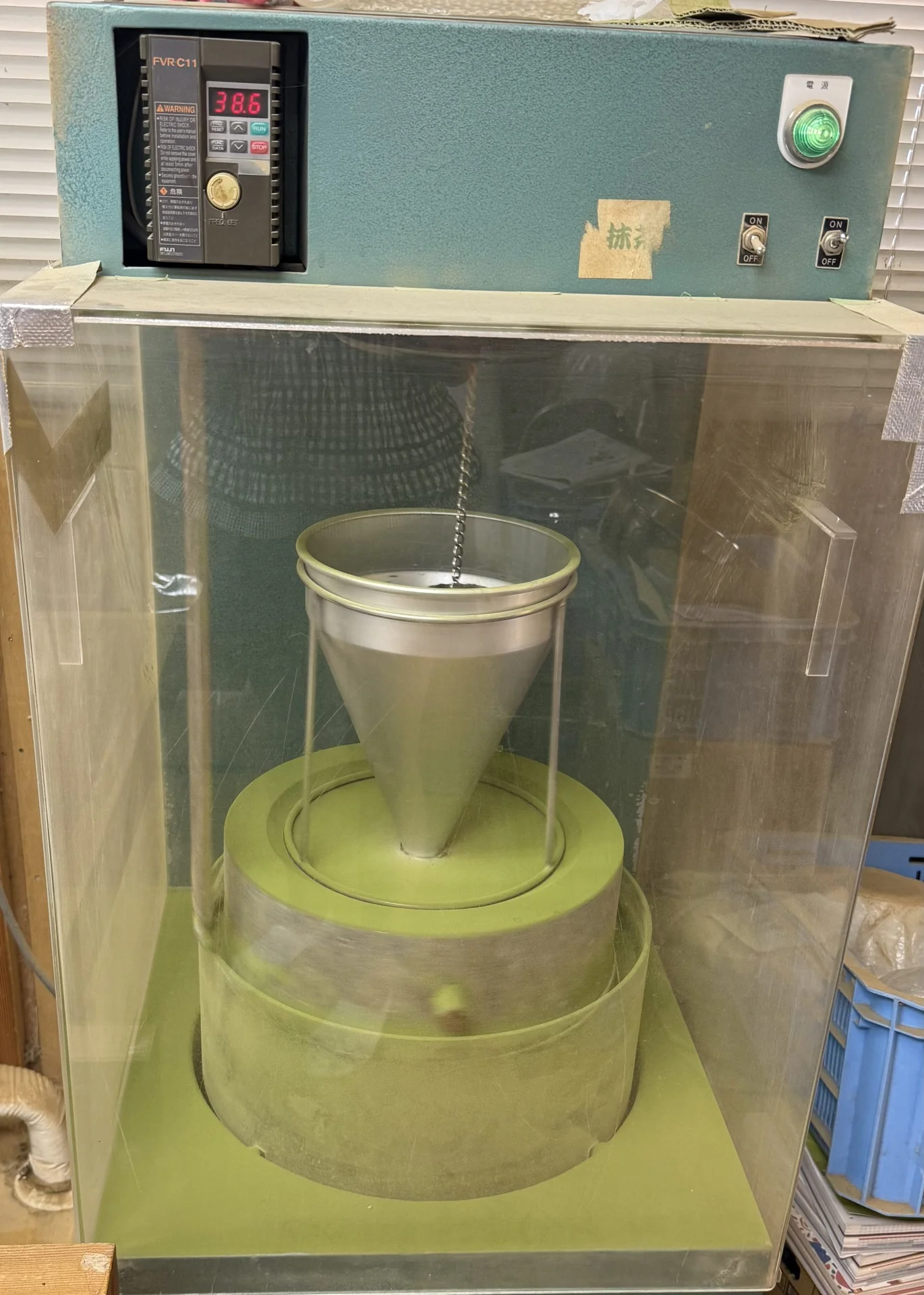
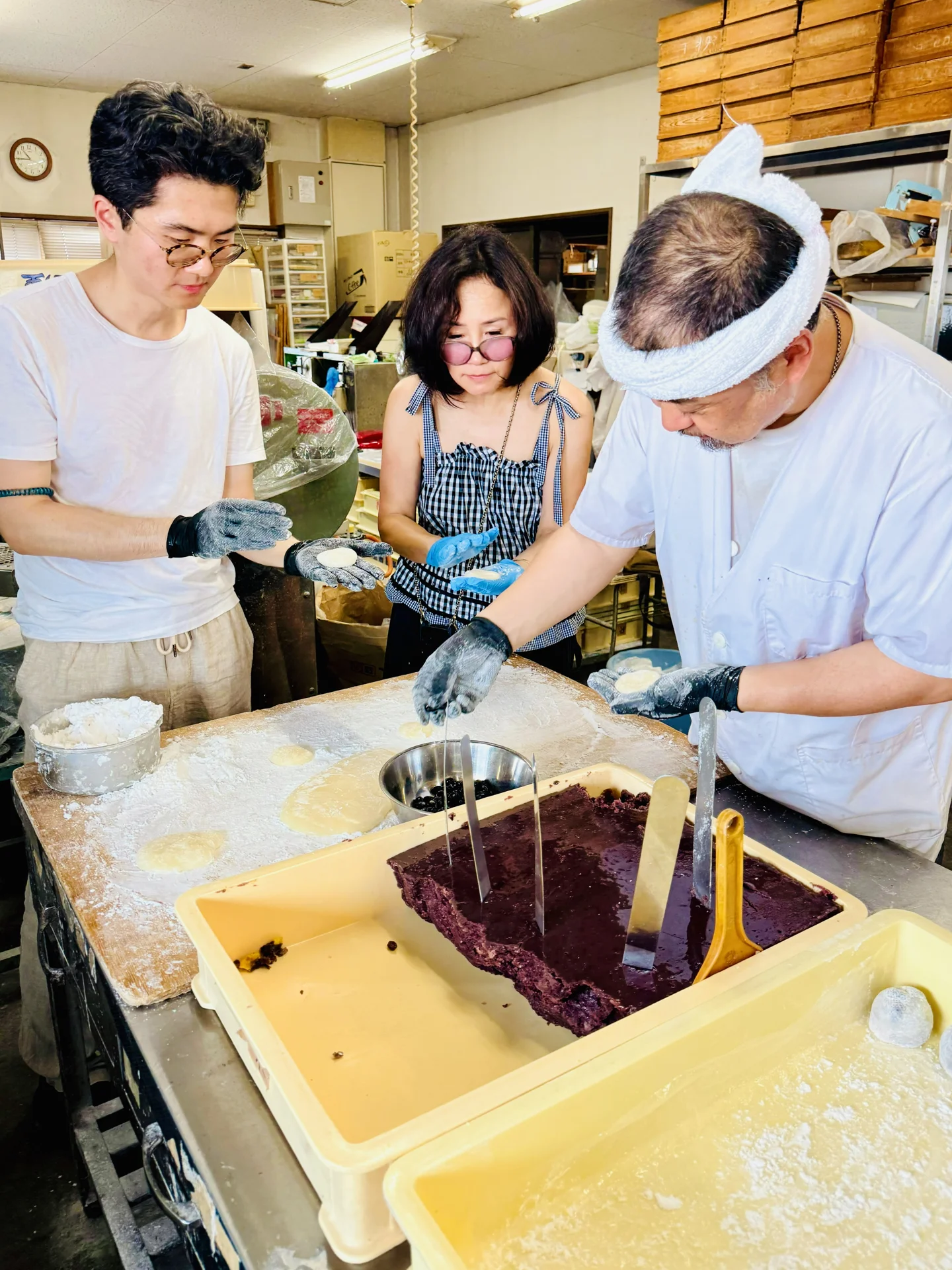
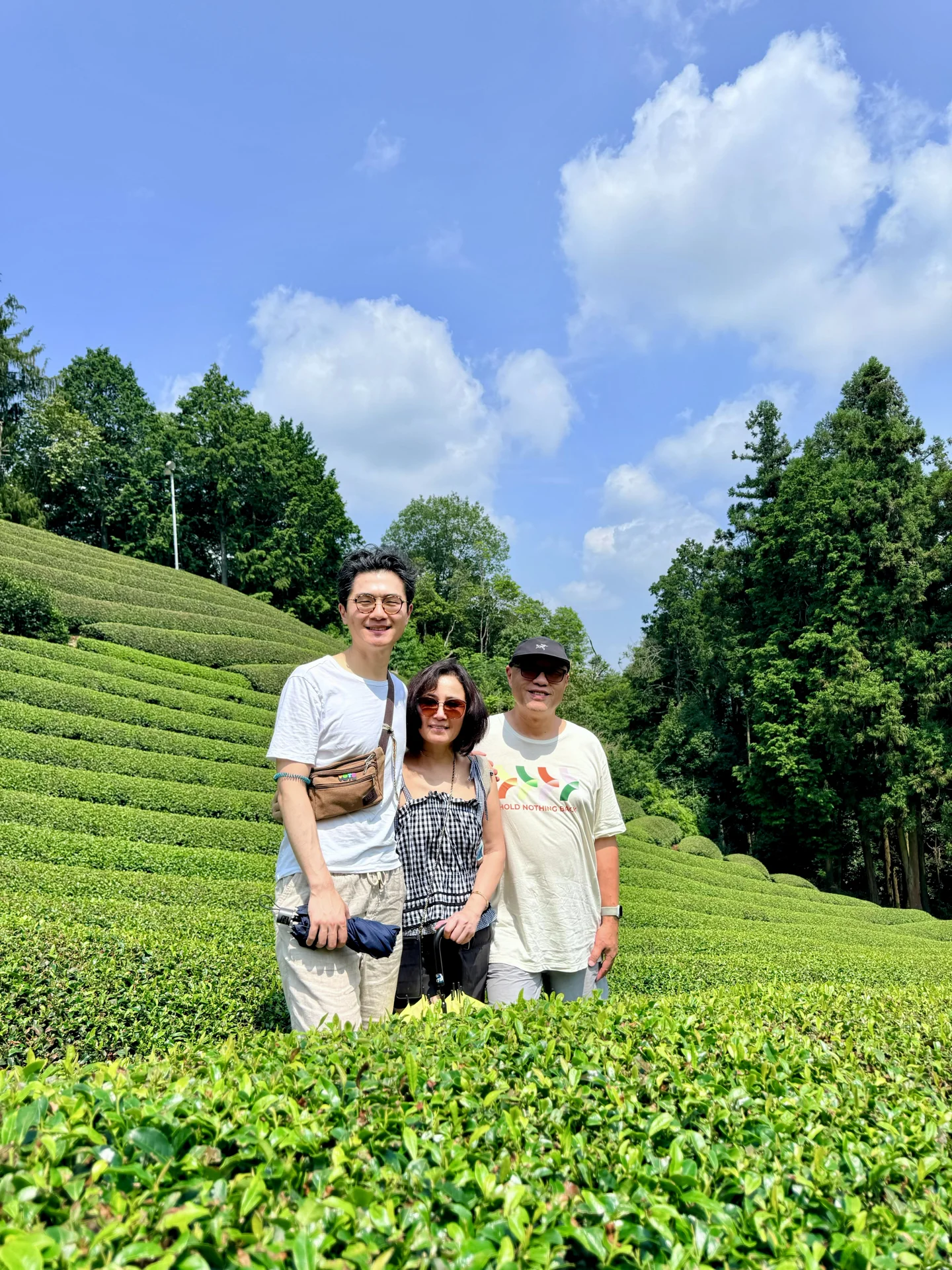
Six hours in Wazuka with Masae, and every minute earned its keep. We wandered through actual tea farms in Uji, pounded our own mochi from scratch, got a hands-on tea ceremony lesson, and tasted matcha and gyokuro so fresh it barely knew what had hit it. My personal contribution to the day: launching an entire jar of matcha across the floor mid-pass, like some kind of powdered green confetti cannon.
The redbean mochi, though — studded with three black soybeans or a chunk of chestnut — was on another level. Nothing in the Bay Area even comes close. I’ve made peace with the fact that I’m now mochi-snob for life. https://matchatourism.com/about-matcha-tourism/
Kyoto (Day 3 night tour)
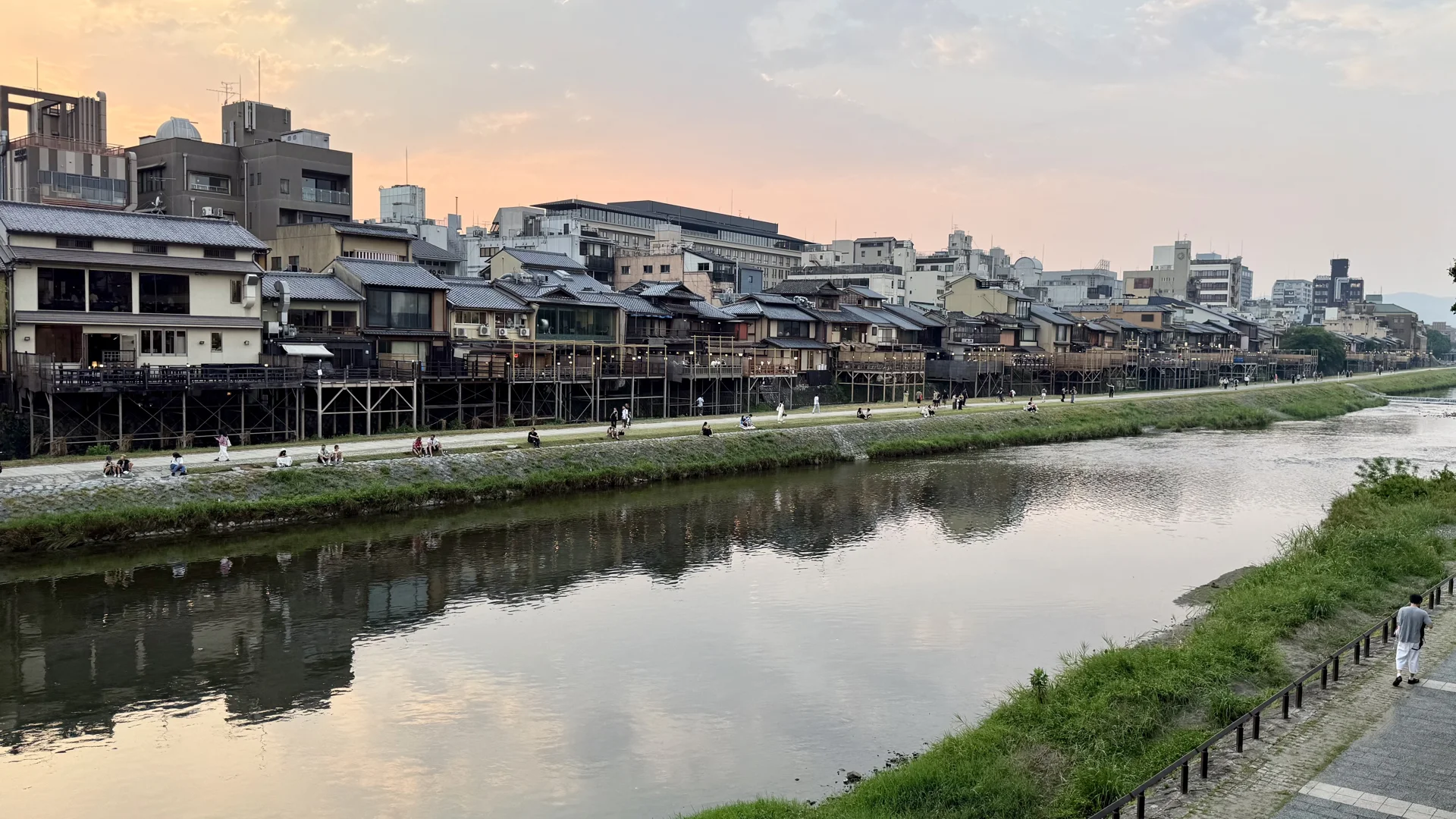
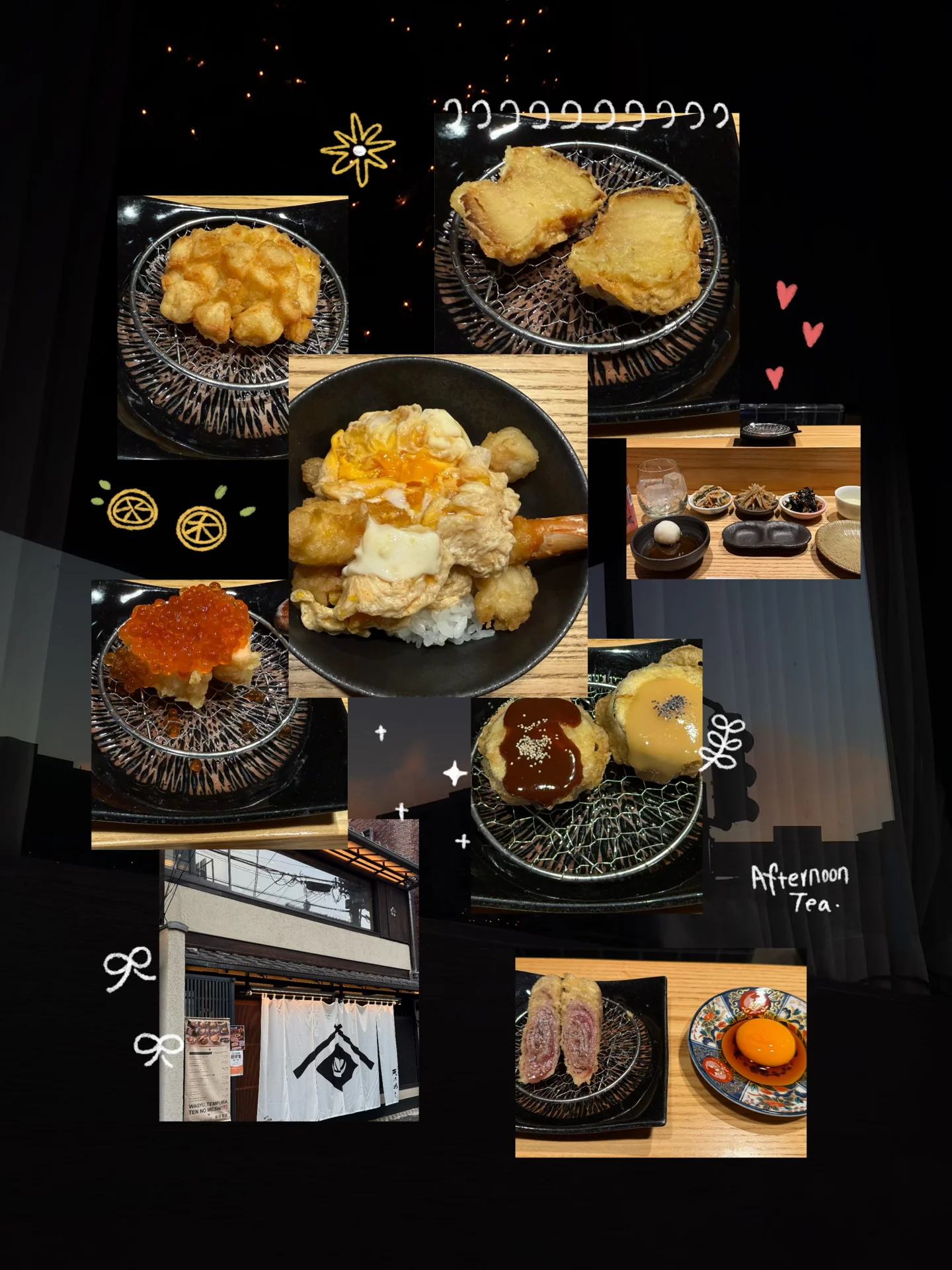
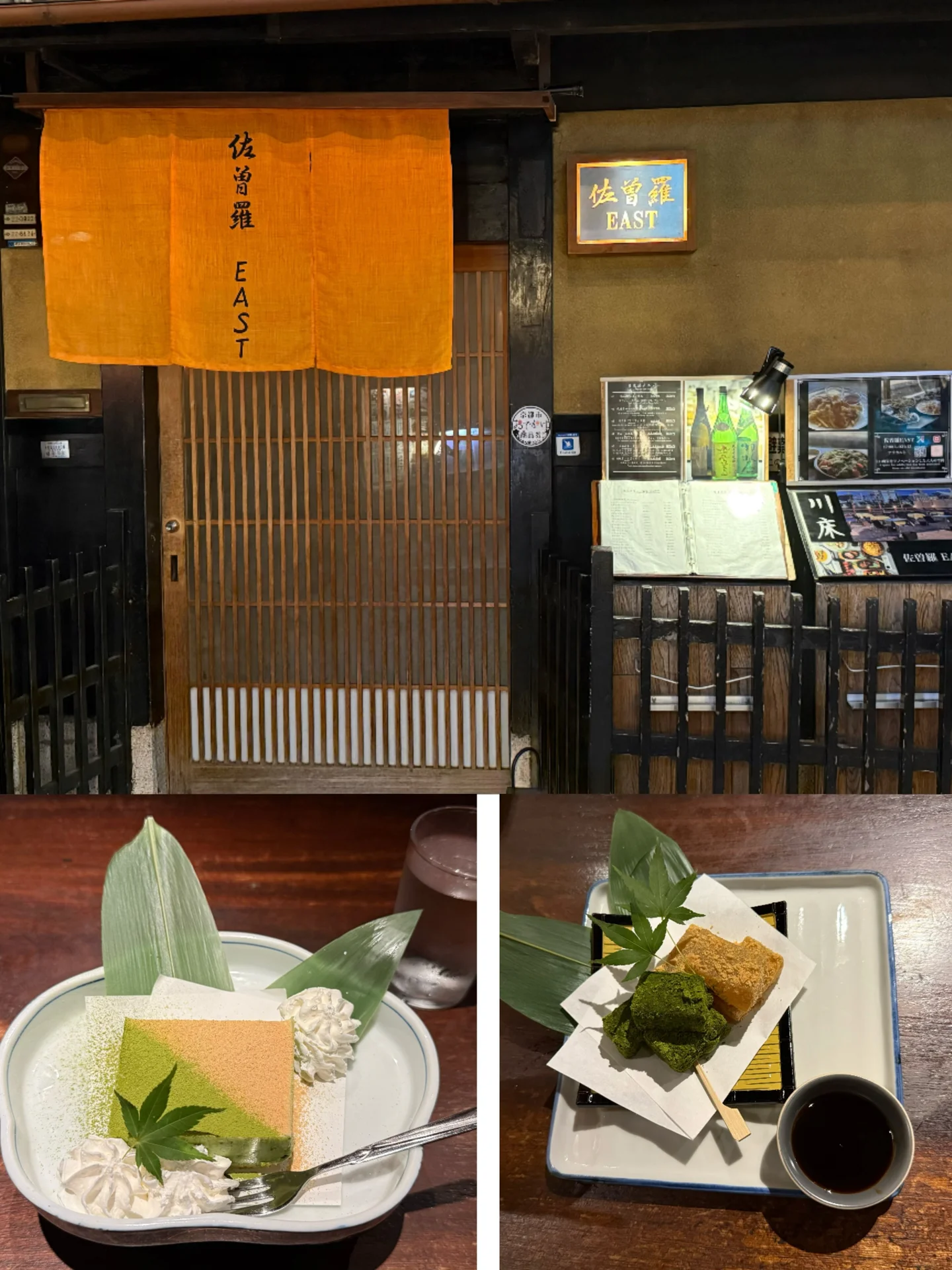
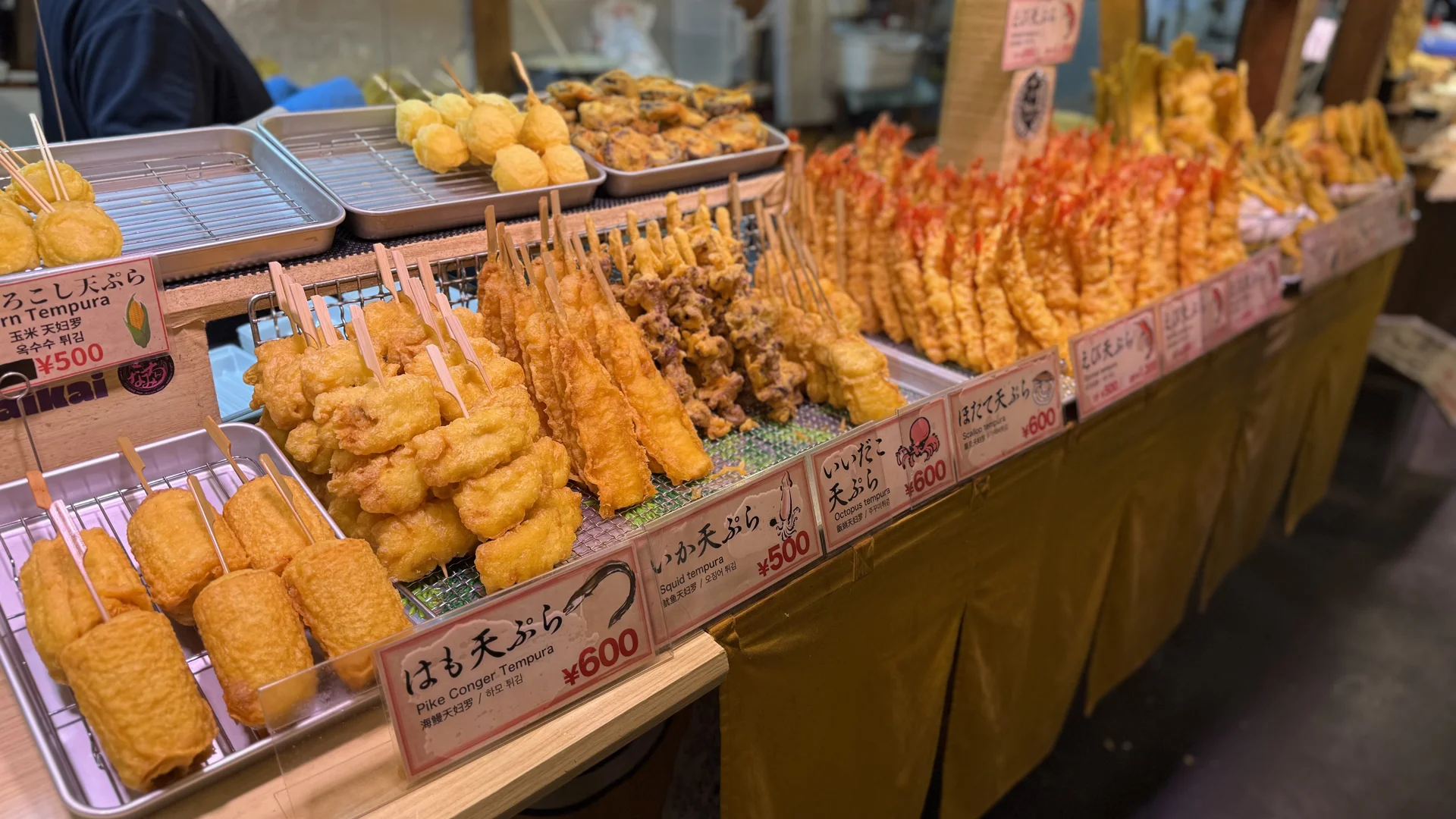
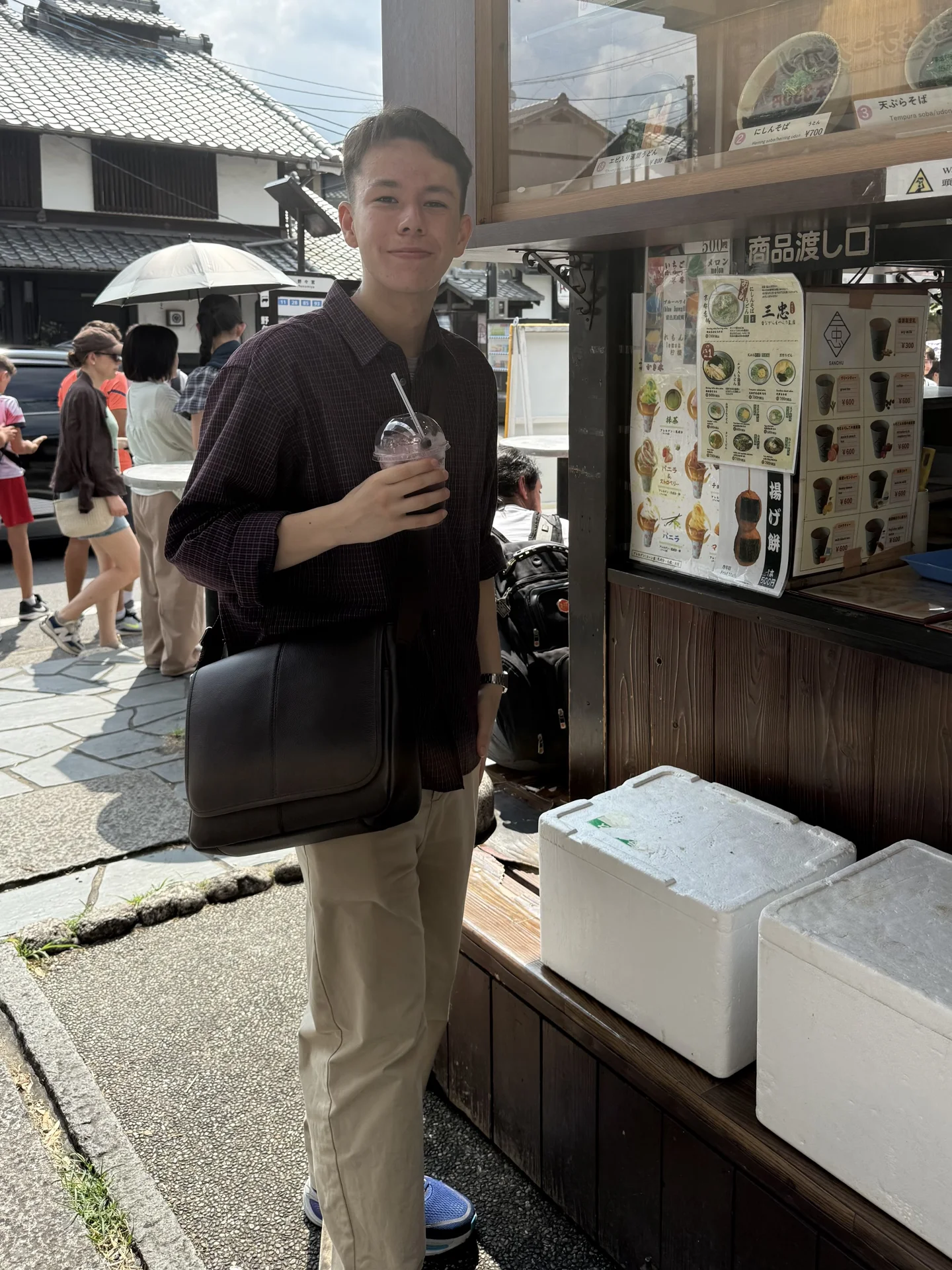
July 21, 2026: Night Foodie Tour in Gion
We wrapped the day with an evening food crawl — tempura, drinks, dessert, three stops, zero regrets. Our guide from Magical Trip Tour, now based in Osaka and a serious globetrotter, kept us entertained with travel stories and insider tips the whole way.
Kyoto (Day 3 morning)
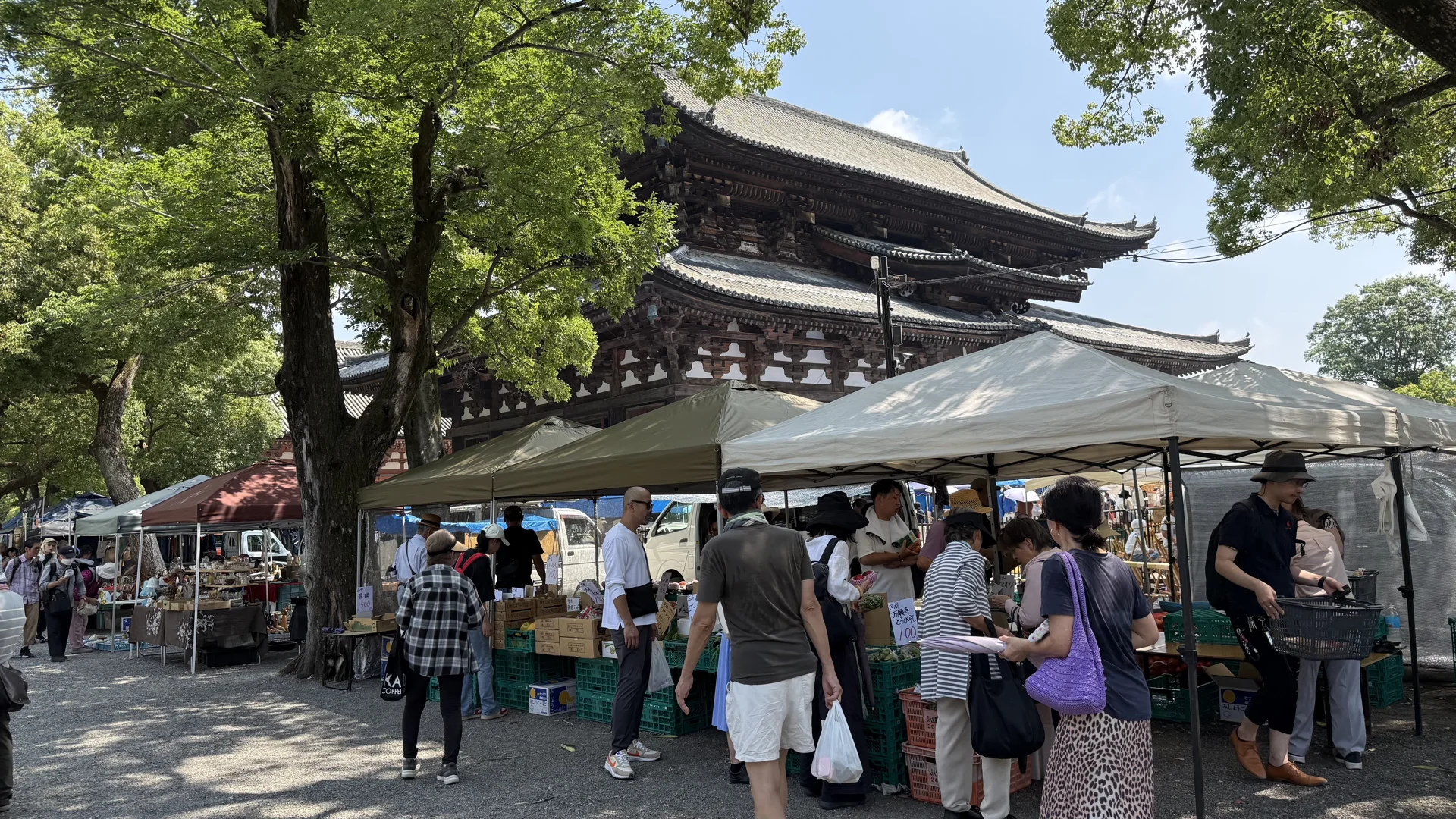
July 21, 2026: The Kobo-ichi Market is a massive flea market held on the 21st of every month at To-ji Temple — over 1,000 stalls of antiques, vintage kimonos, and street food.
Since it doesn’t open until 10am, Jason squeezed in one more mission first: alarm set for 4am, five hours in line, all to have Mr. Hayakawa personally engrave his knife. Turns out, alongside matcha, “Hayakawa Hamonoten” (早川刃物店) has become the latest obsession among young Americans — this legendary Kyoto knife shop has been run by the Hayakawa family for 120 years, and the old master plans to retire and close up shop next year. My son wasn’t even the craziest one there, though — one American had shown up even earlier than him. Jason had three knives engraved with first names in traditional Chinese — one for each of the men in our household (no time left for last names).
Jason met up with us at the flea market around 10:30, grinning and loaded down with a haul of ceramics and a pair of pants for Nari. I scored a nice medium cotton tote with hand-embroidered patterns, and David picked up fresh figs.
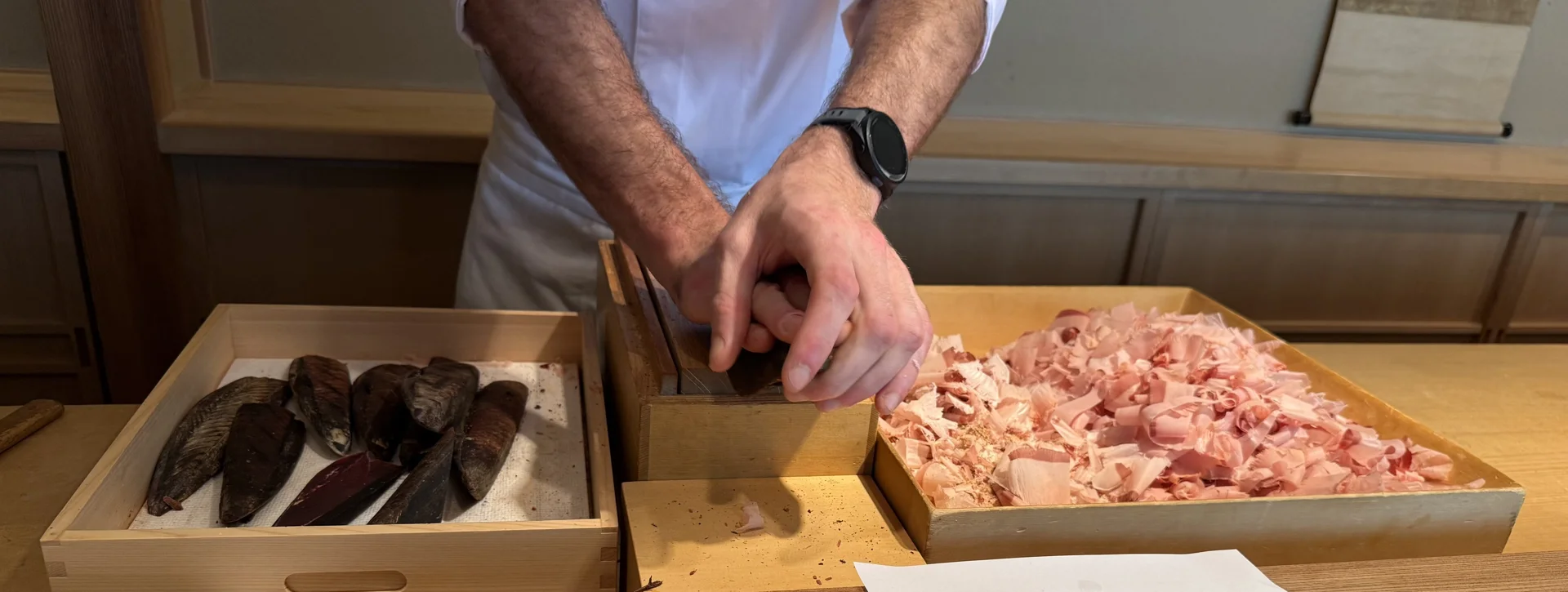
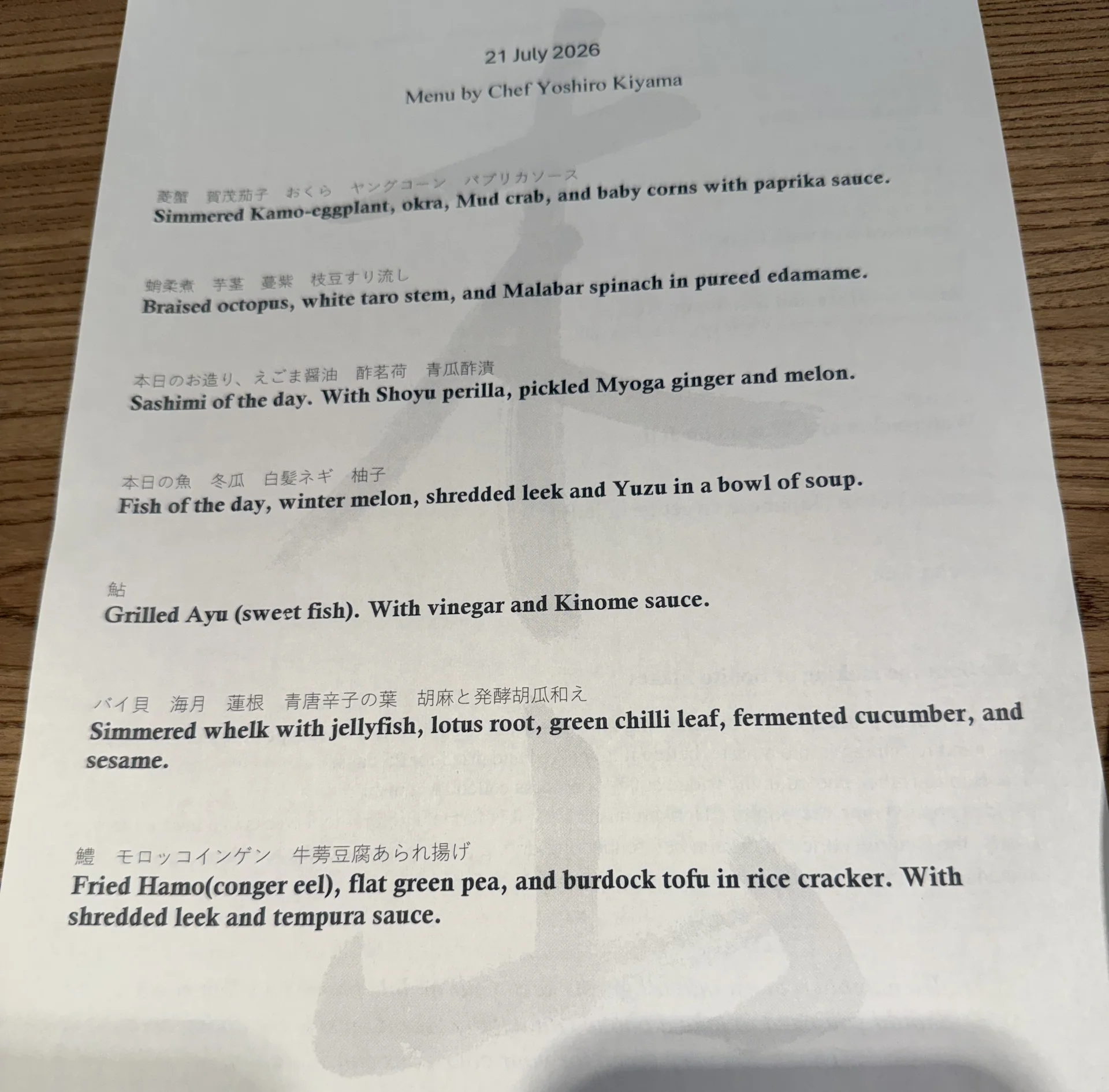
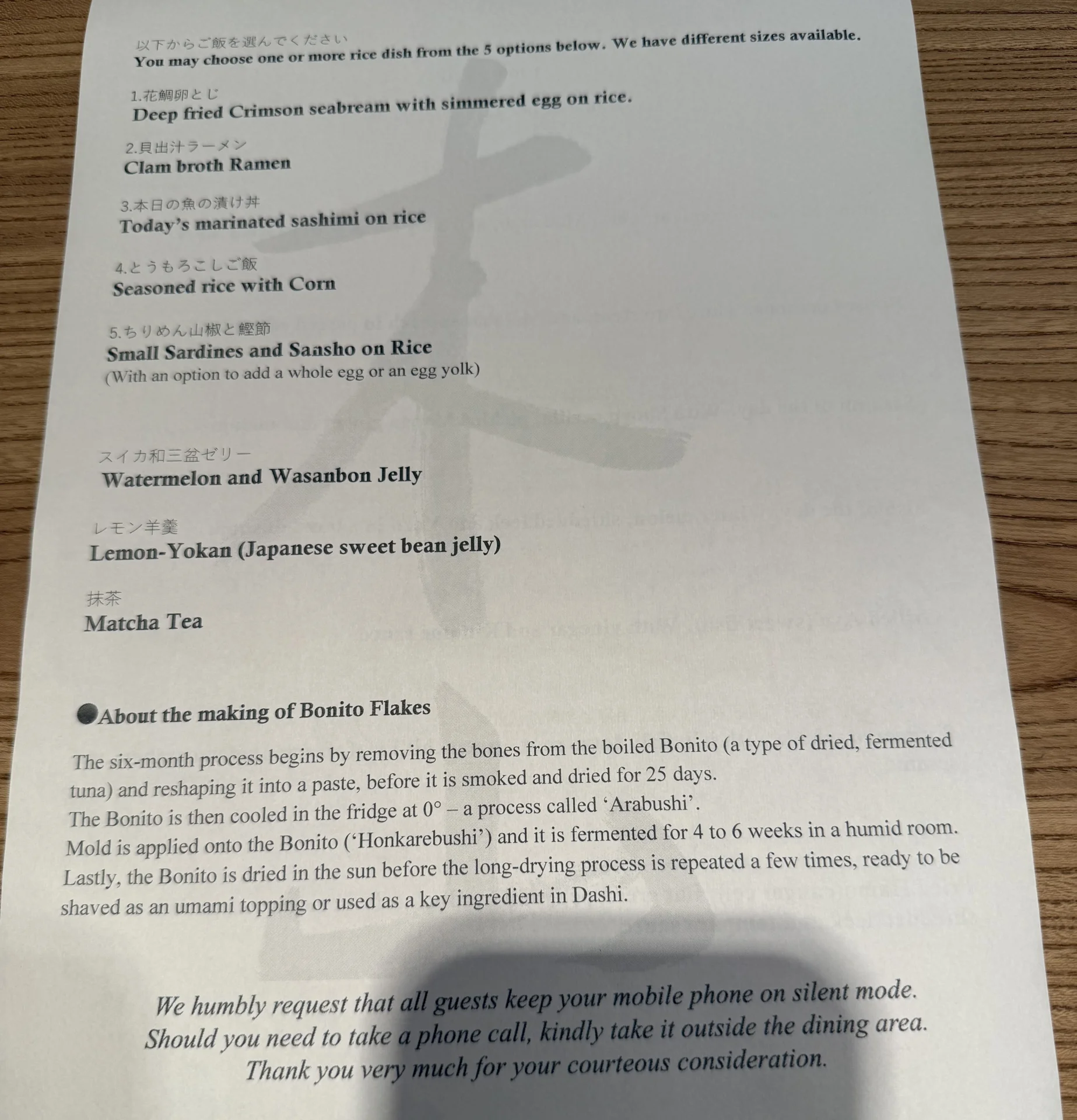
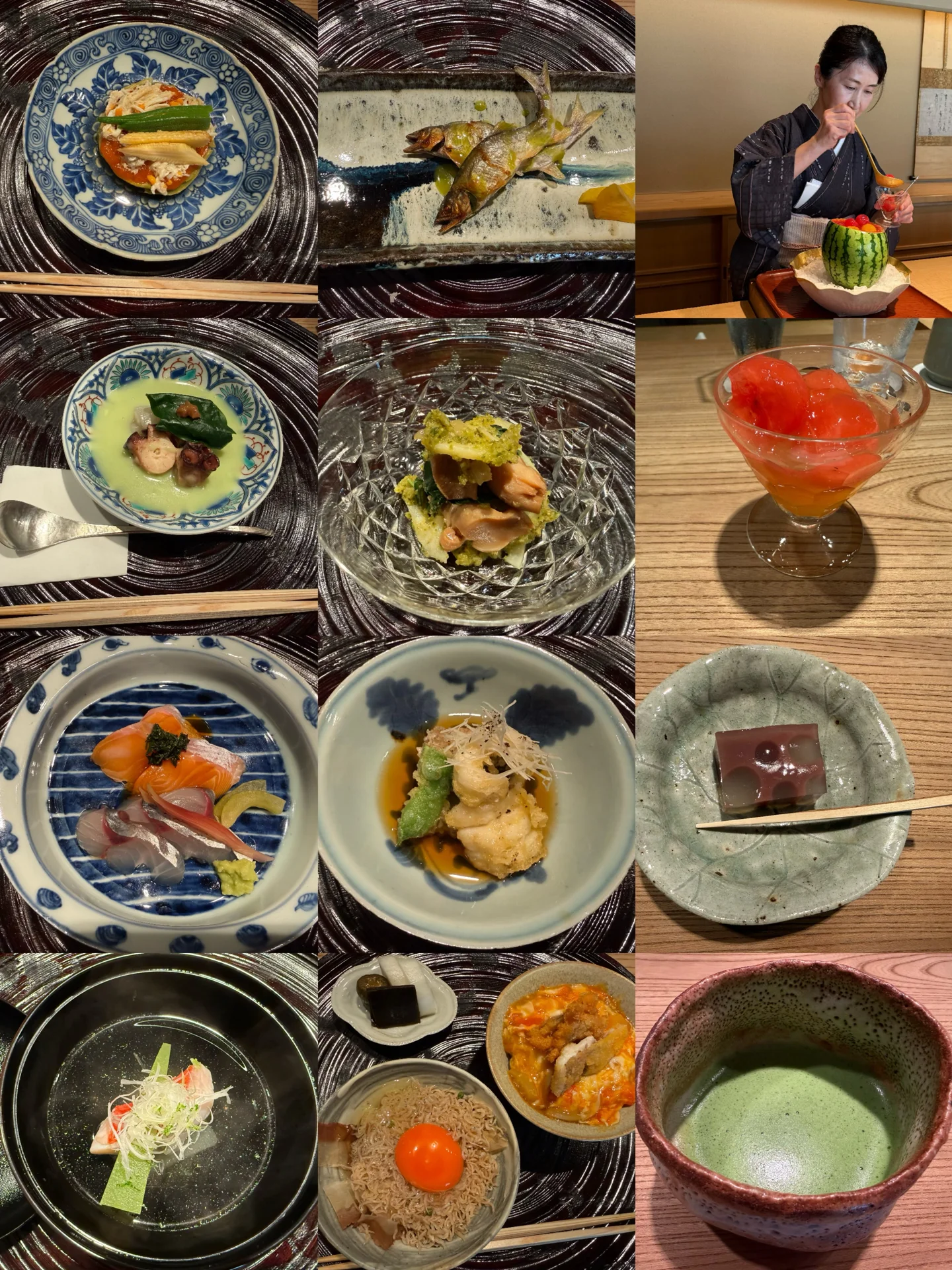
We had lunch at Kiyama (木山) — a one-Michelin-star restaurant, and honestly the best meal of the entire trip. They pump water straight from an on-site well to make dashi, the broth that’s the backbone of Japanese cuisine, and shave bonito flakes tableside — a small ritual that captures a traditional essence of Japanese cooking that’s slowly disappearing elsewhere. Two full hours and course after course of dishes, each one meticulously prepared and perfectly executed. The wasanbon jelly with watermelon was one that actually seems doable at home. The best part? Five different rice dishes, each available in multiple sizes. The guy next to us said “why choose” and went large on all five — absolute rice buffet energy.
Kyoto (Day 2 morning tour)
July 20, 2026: Our most educational day yet — four tours and a headful of wisdom from our guide Miji. Fun fact: Japan has 80,000 shrines and 82,000 temples, more than its 55,000 convenience stores. As Miji put it, “we’re born Shinto, we die Buddhist” — Shinto reveres nature, and in a Japanese garden, stone is bone, trees are skin, water is blood. Kyoto’s claim to fame: sake, kimono, and ceramics (though I’d throw in tea and matcha too). He also introduced us to wabi-sabi — the art of finding beauty in imperfection and impermanence, the opposite of Western polish-and-symmetry. Wabi prizes the humble and imperfect; sabi celebrates the quiet dignity of things worn by time.
The day’s stops:
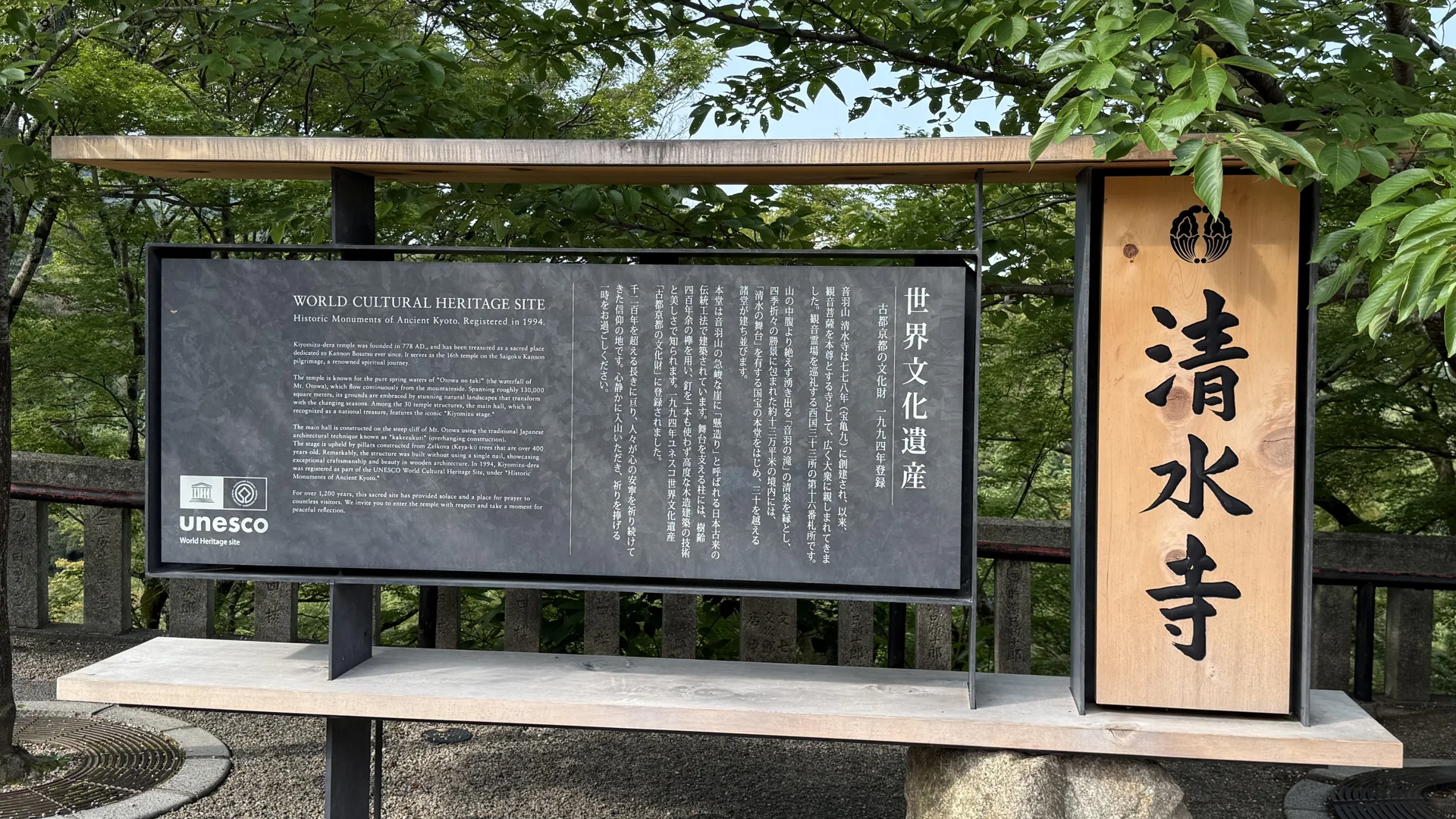
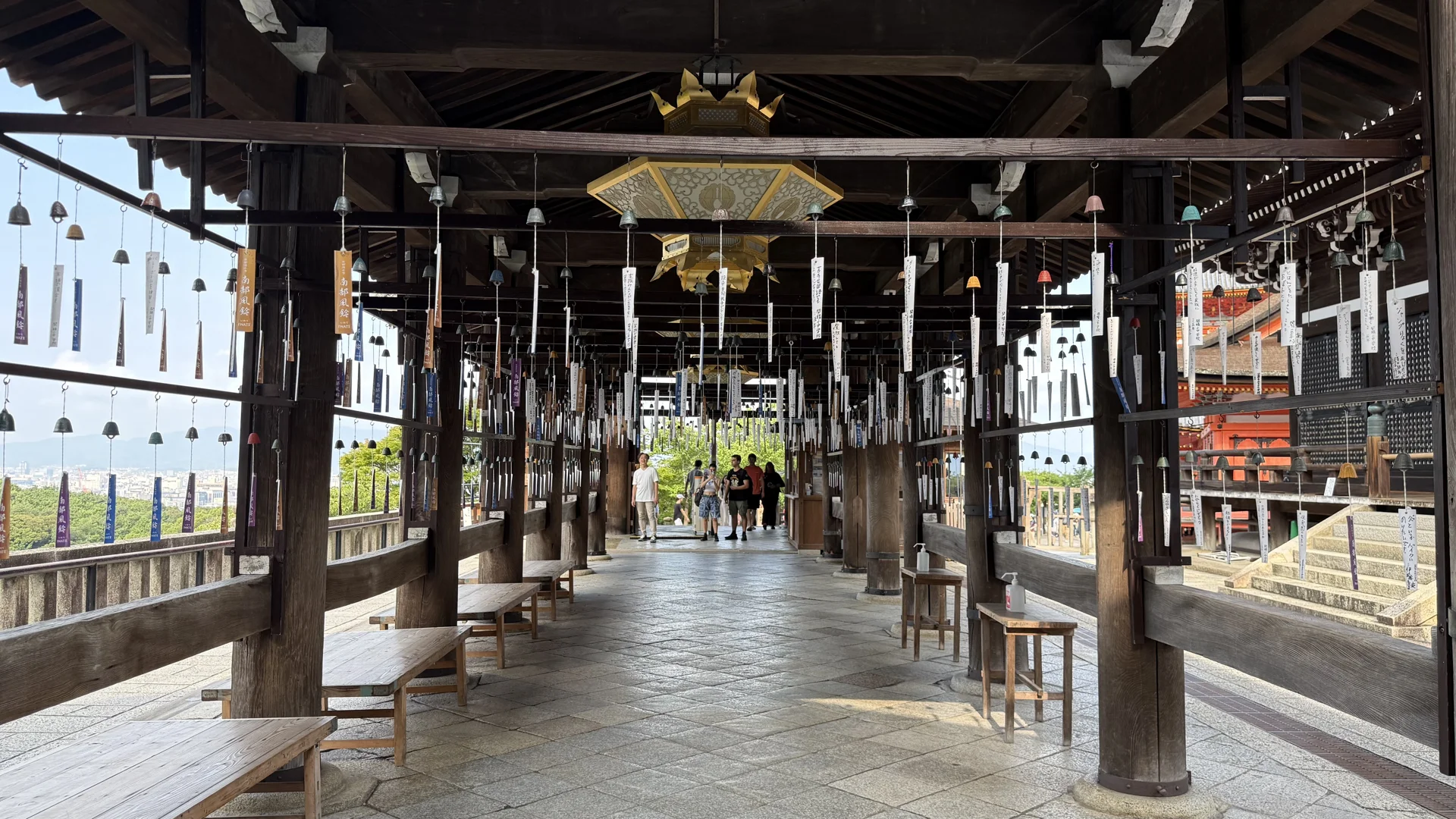
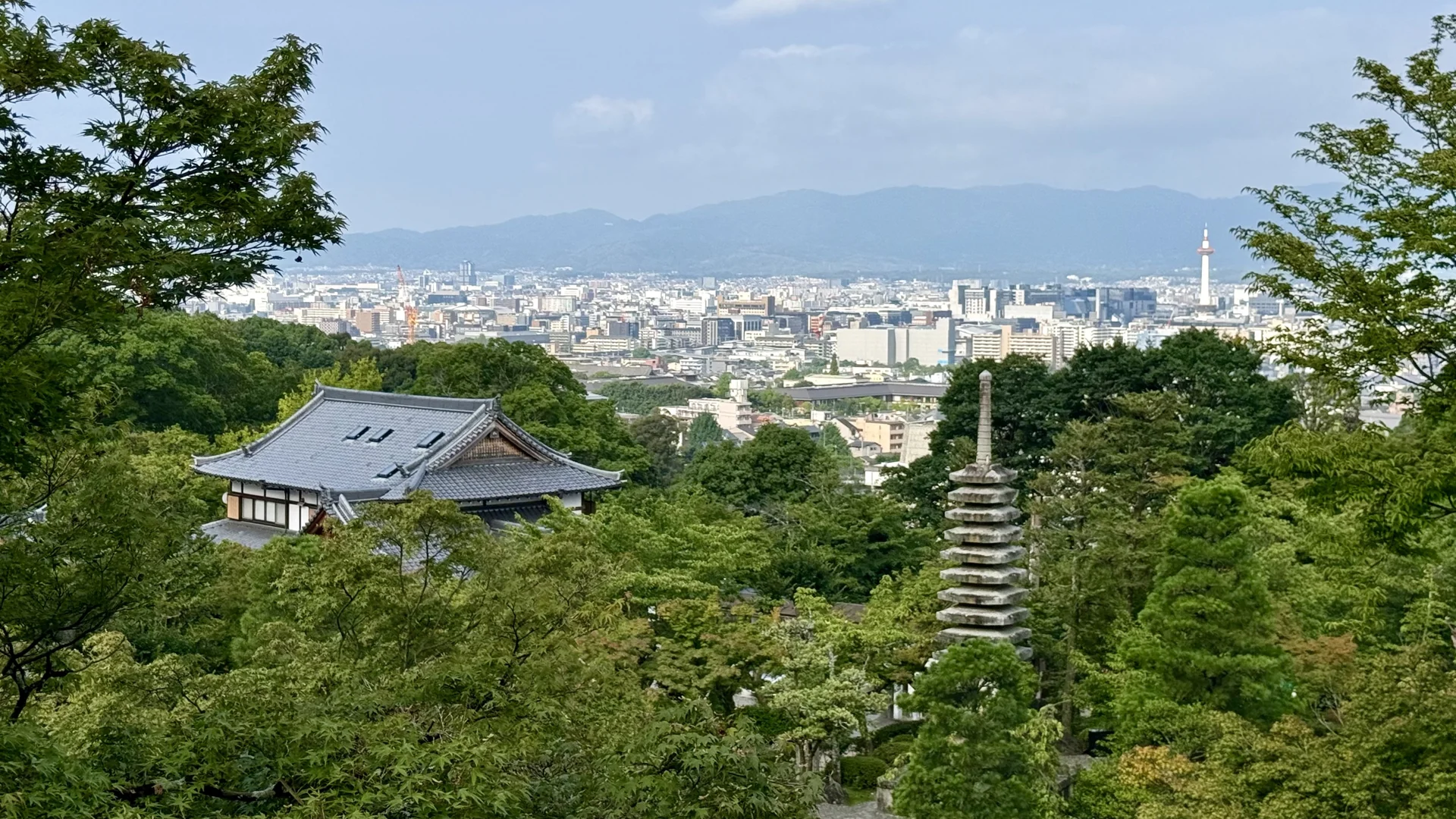
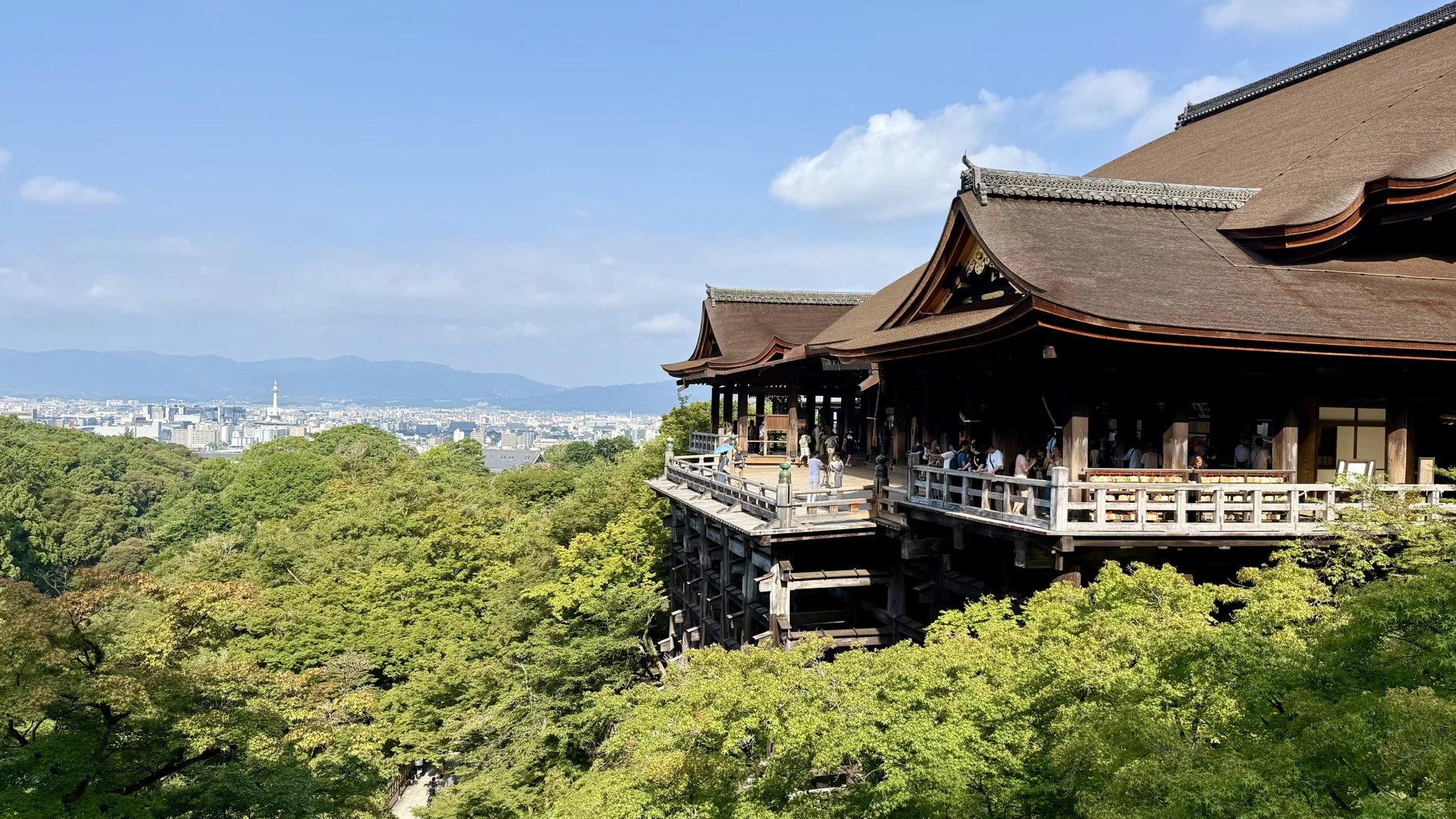
Kiyomizu-dera — a UNESCO World Heritage Site and arguably Kyoto’s most iconic temple
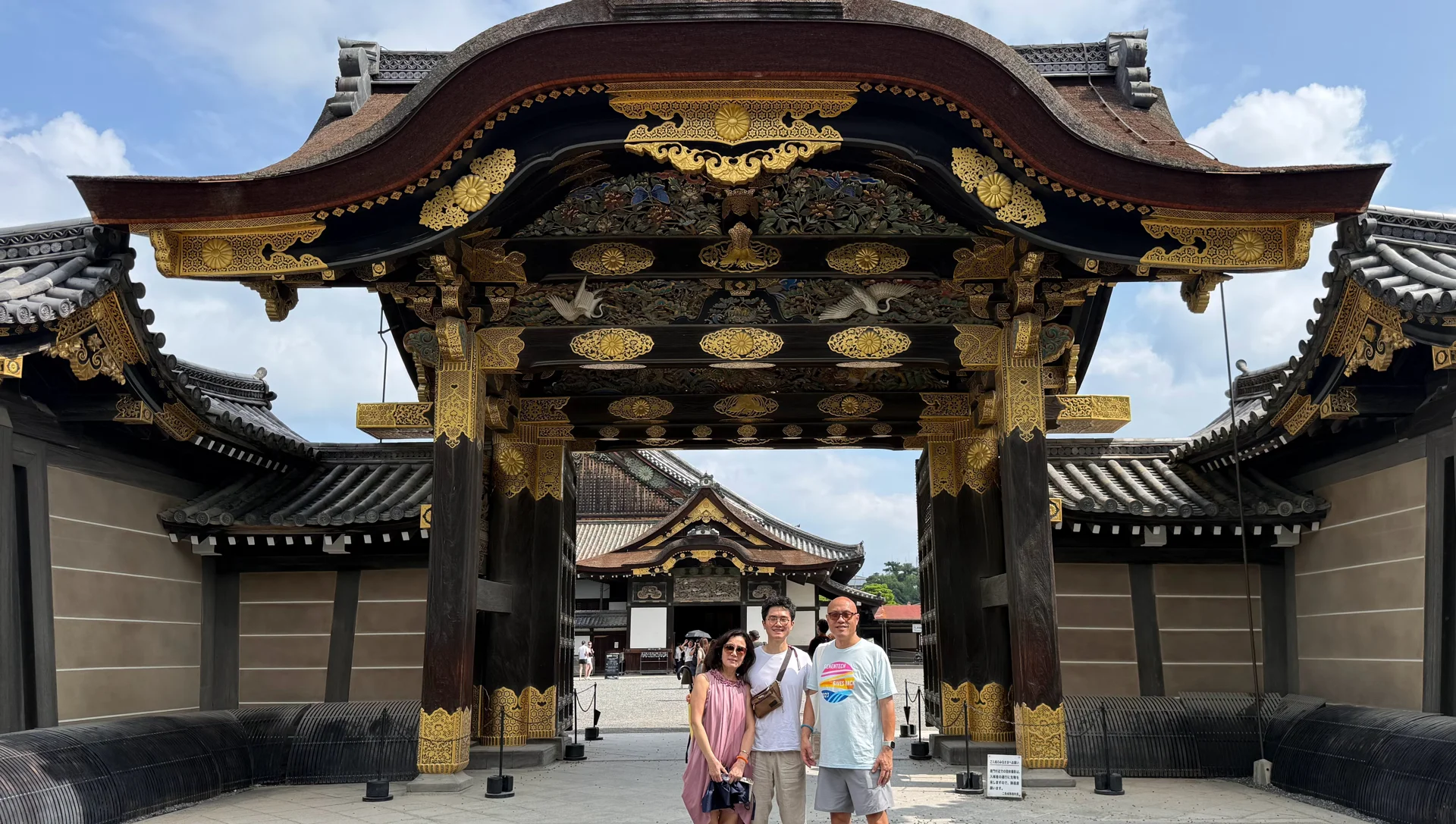
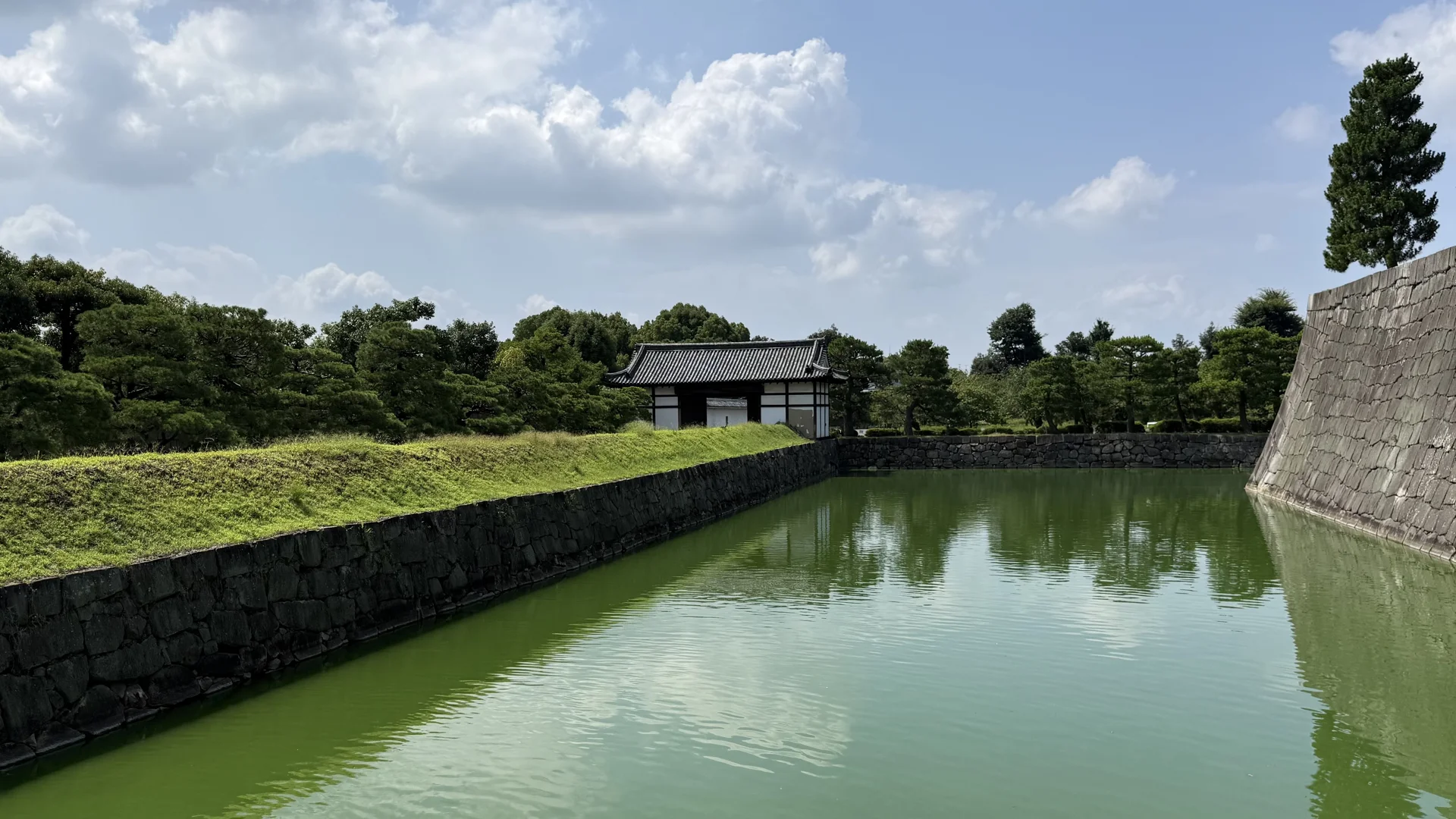
Nijo Castle — a UNESCO gem built to flex Shogun Tokugawa Ieyasu’s power; no photos allowed inside, but the wall painting replicas were stunning
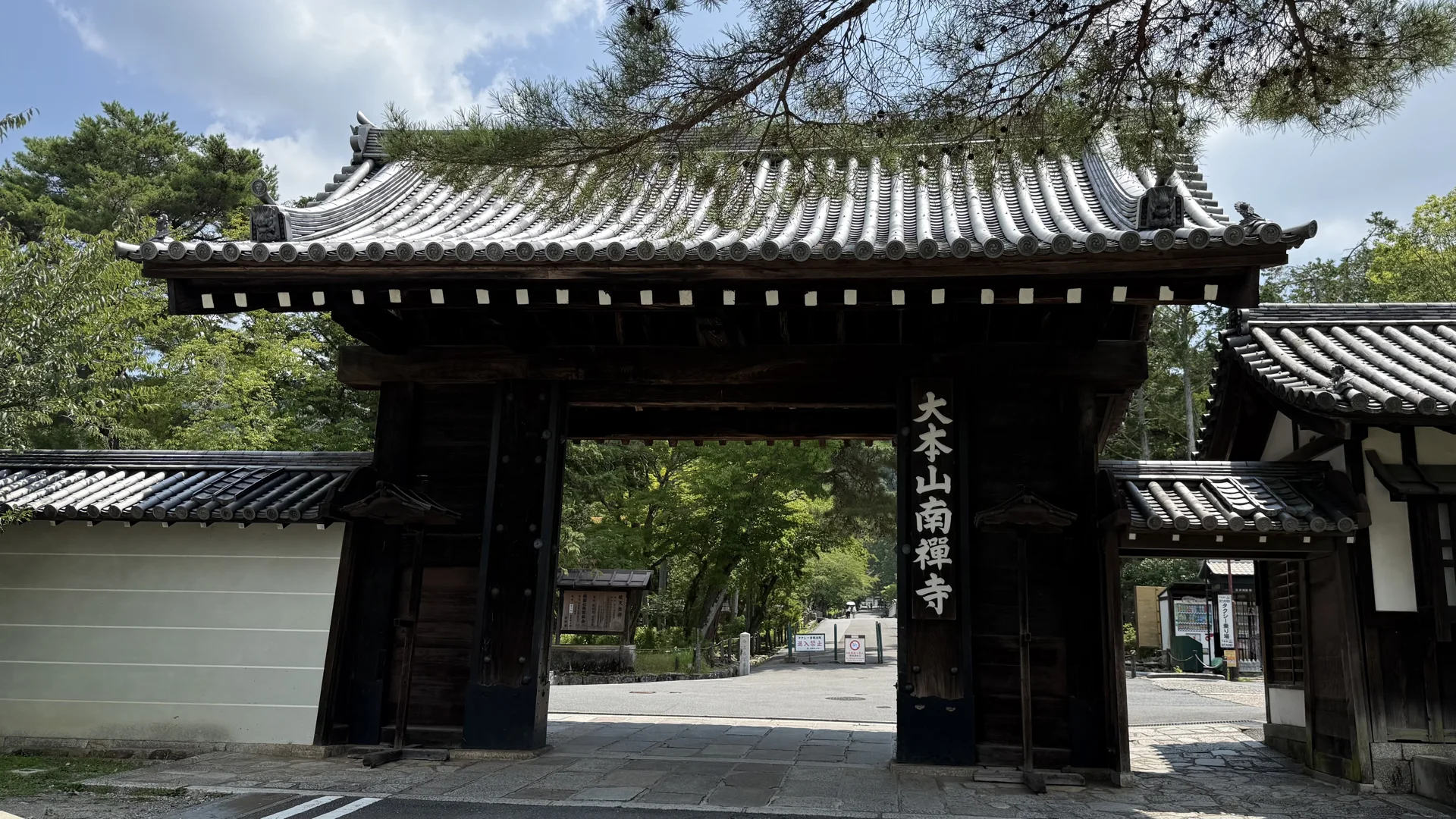
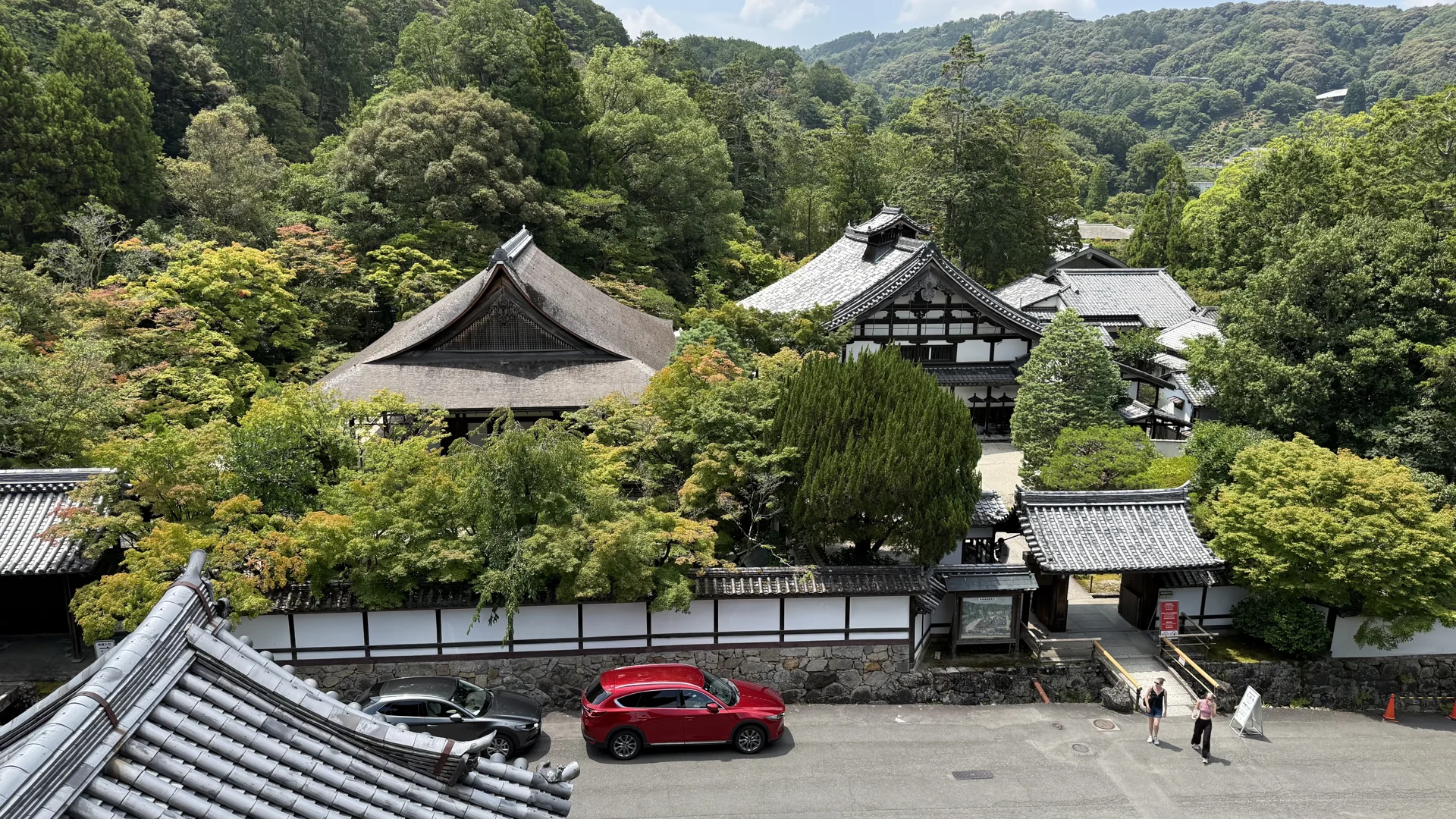
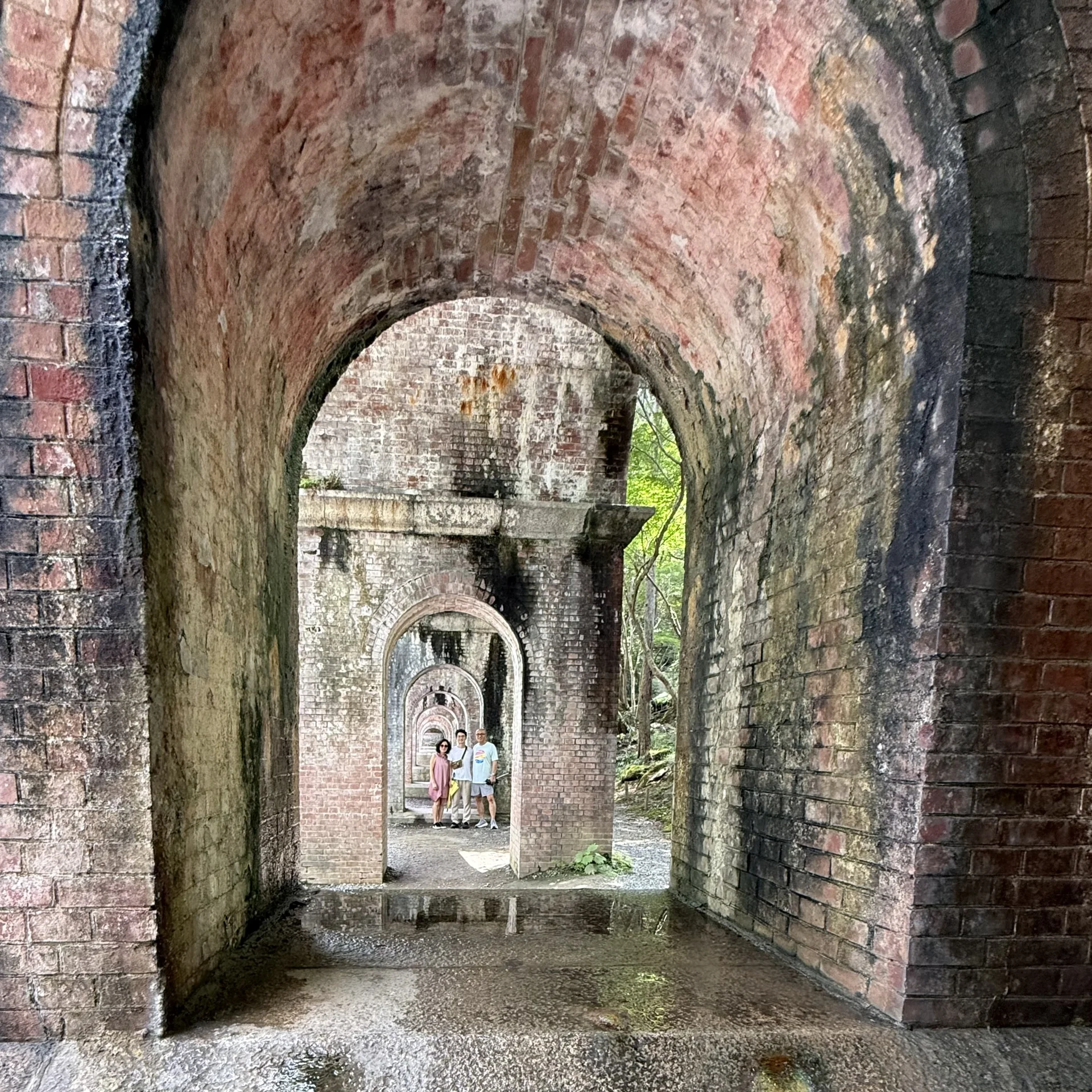
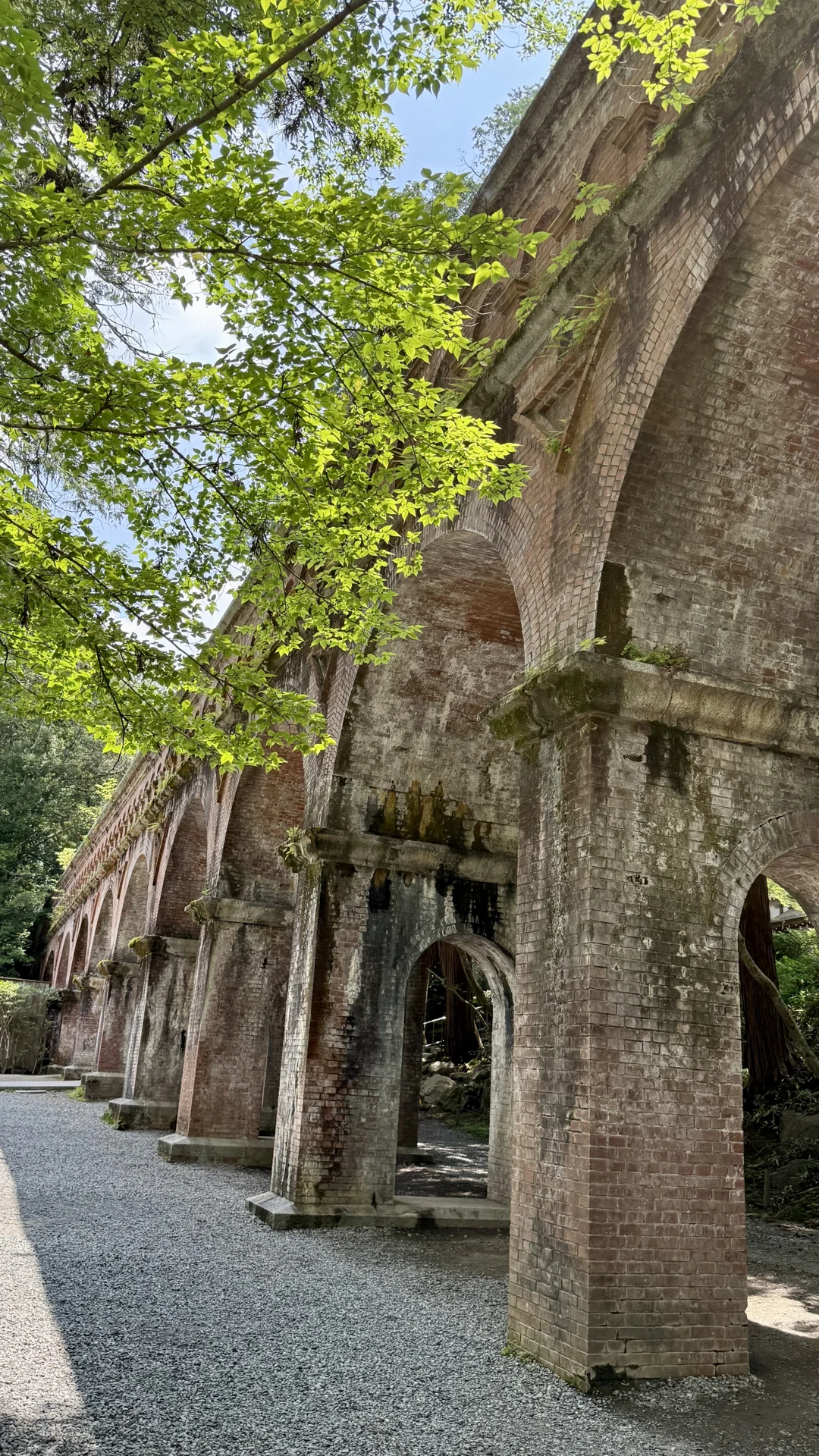
Nanzenji — a major Zen headquarters dating to the 1200s, rebuilt after being leveled in Muromachi-era wars
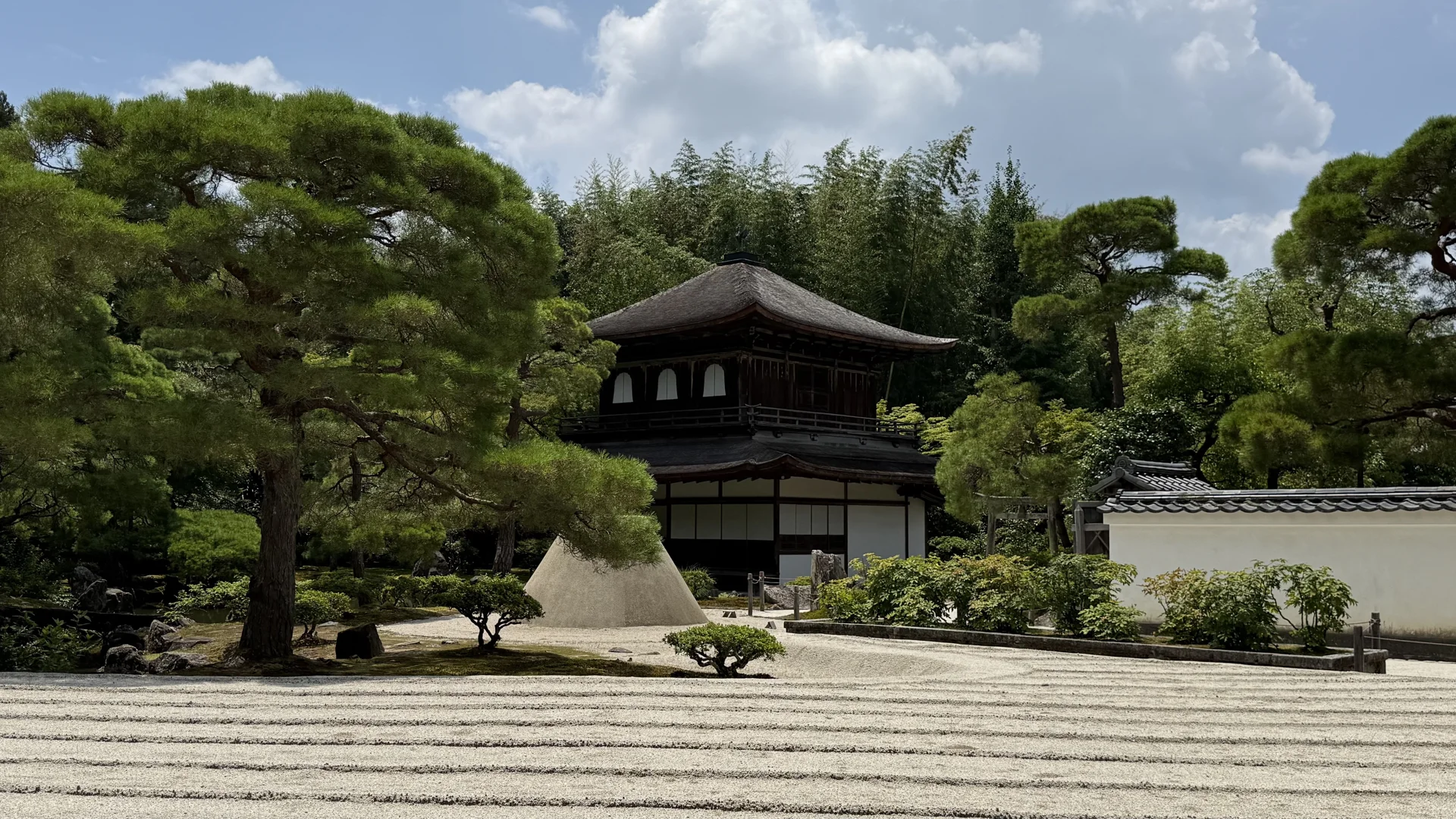
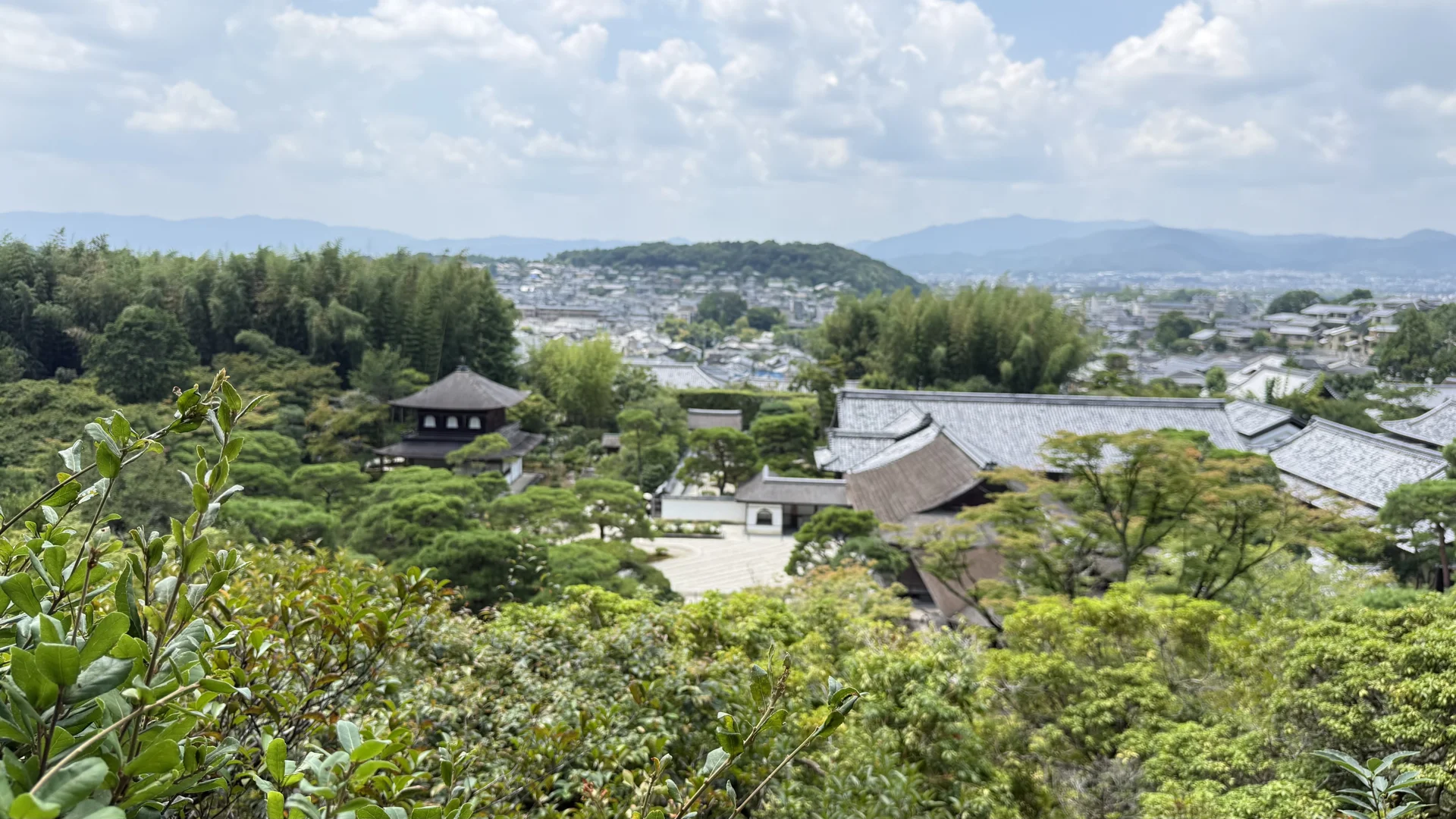
Ginkakuji (Silver Pavilion) — a Zen temple built as a retirement villa, modeled after its flashier cousin Kinkakuji. More subdued — but honestly, I still love the Golden Pavilion more
Kyoto (Day 2 afternoon tour)
July 20, 2026: Nishiki Market Food Tour
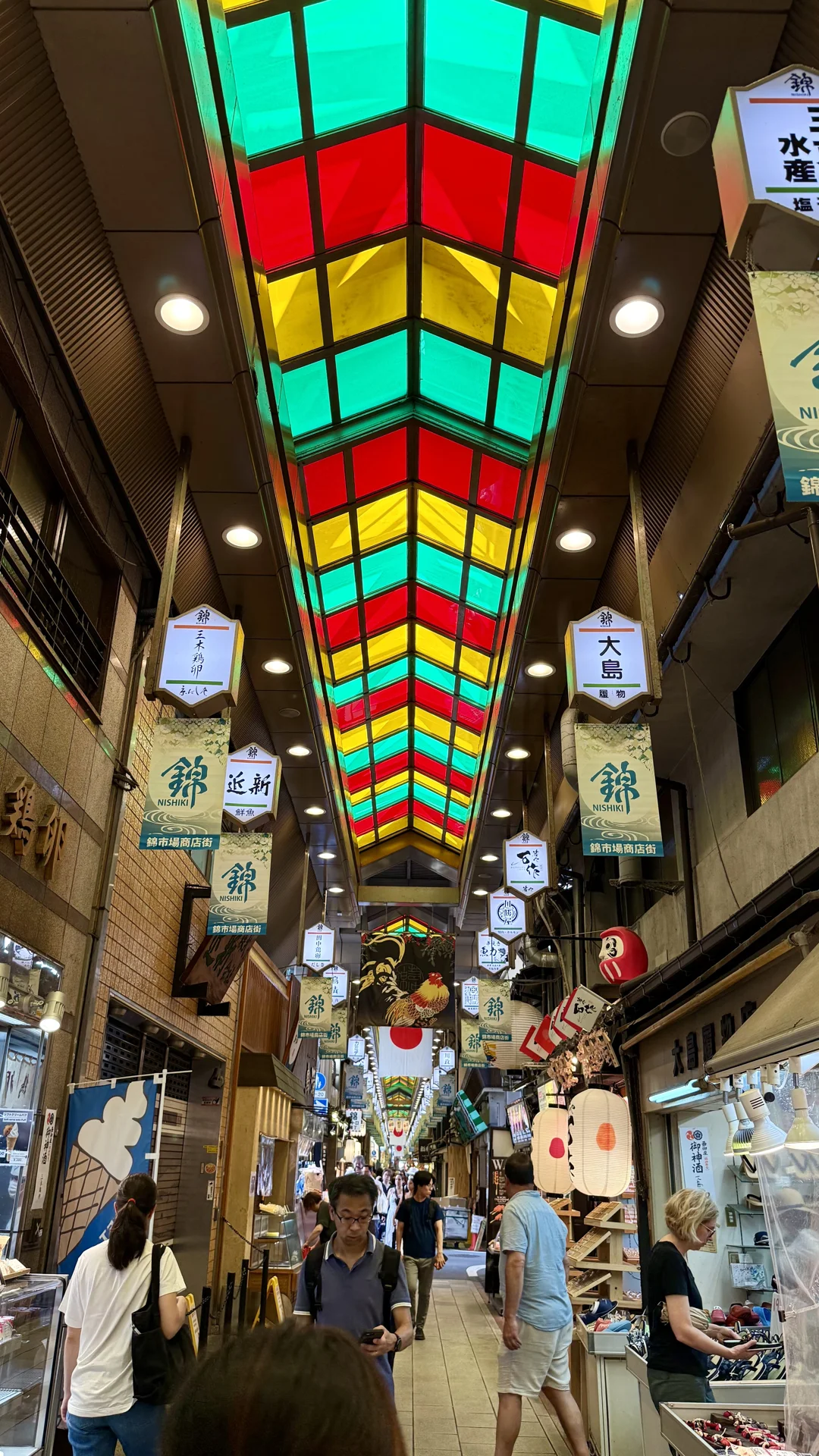
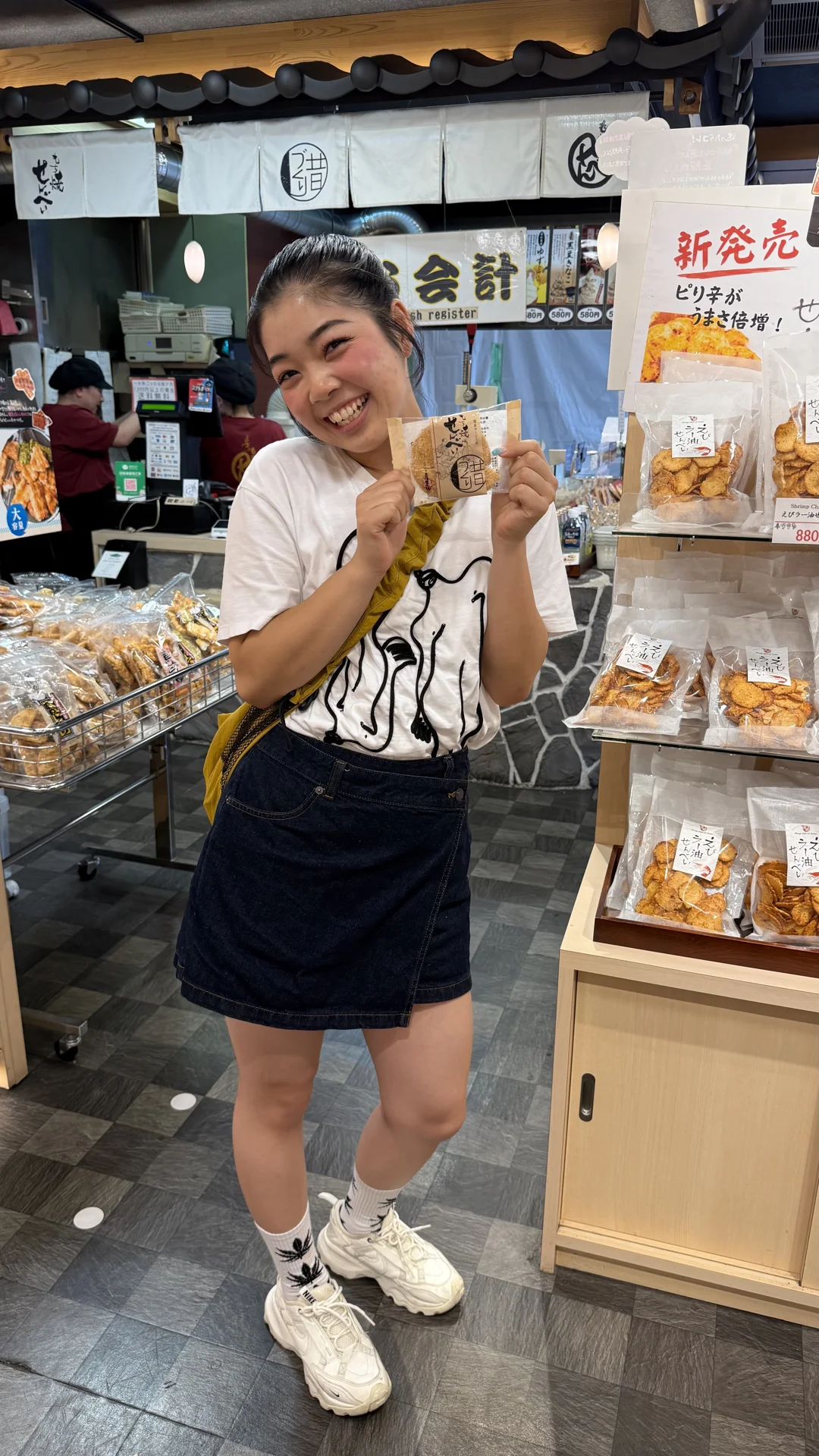
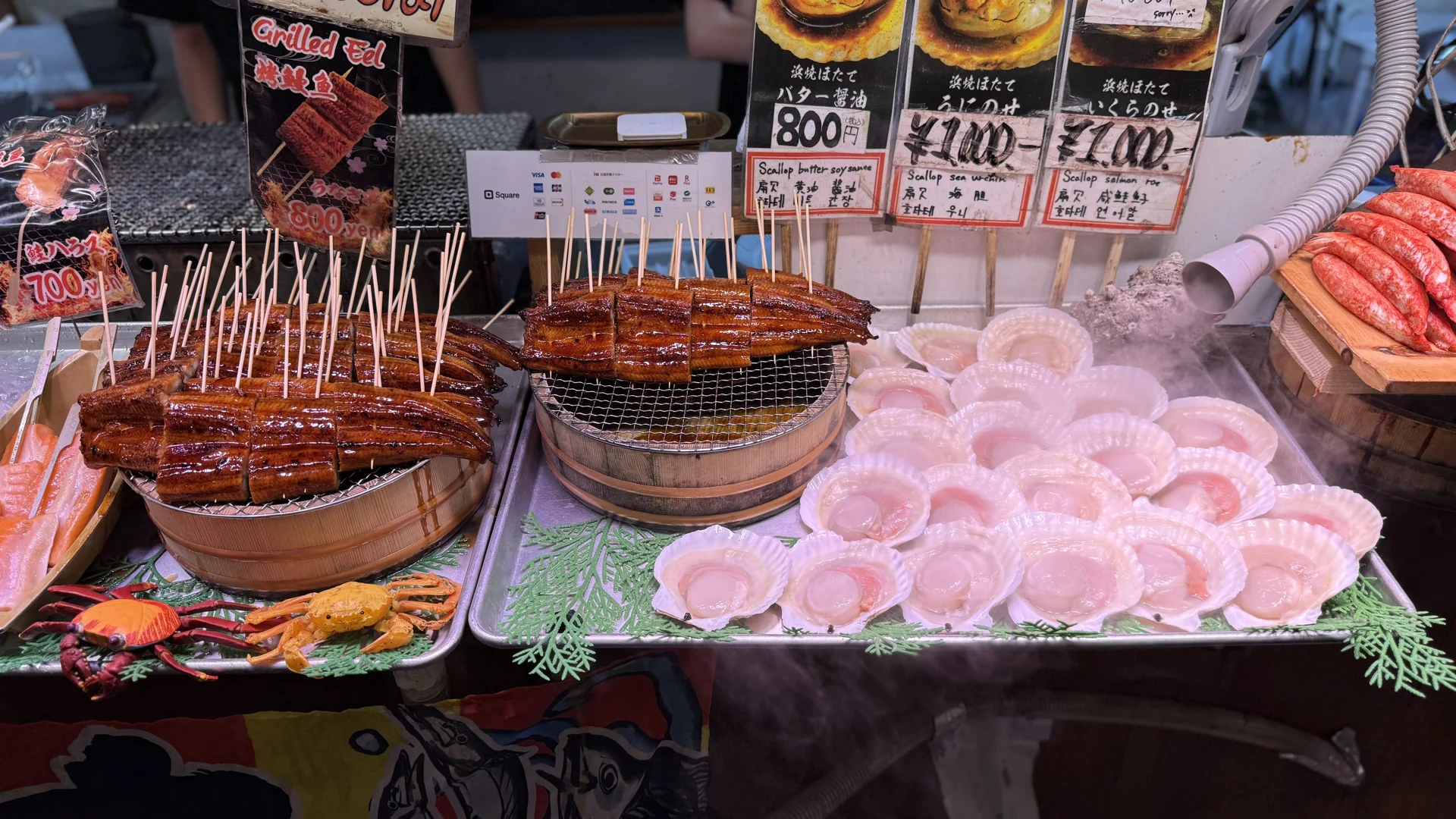
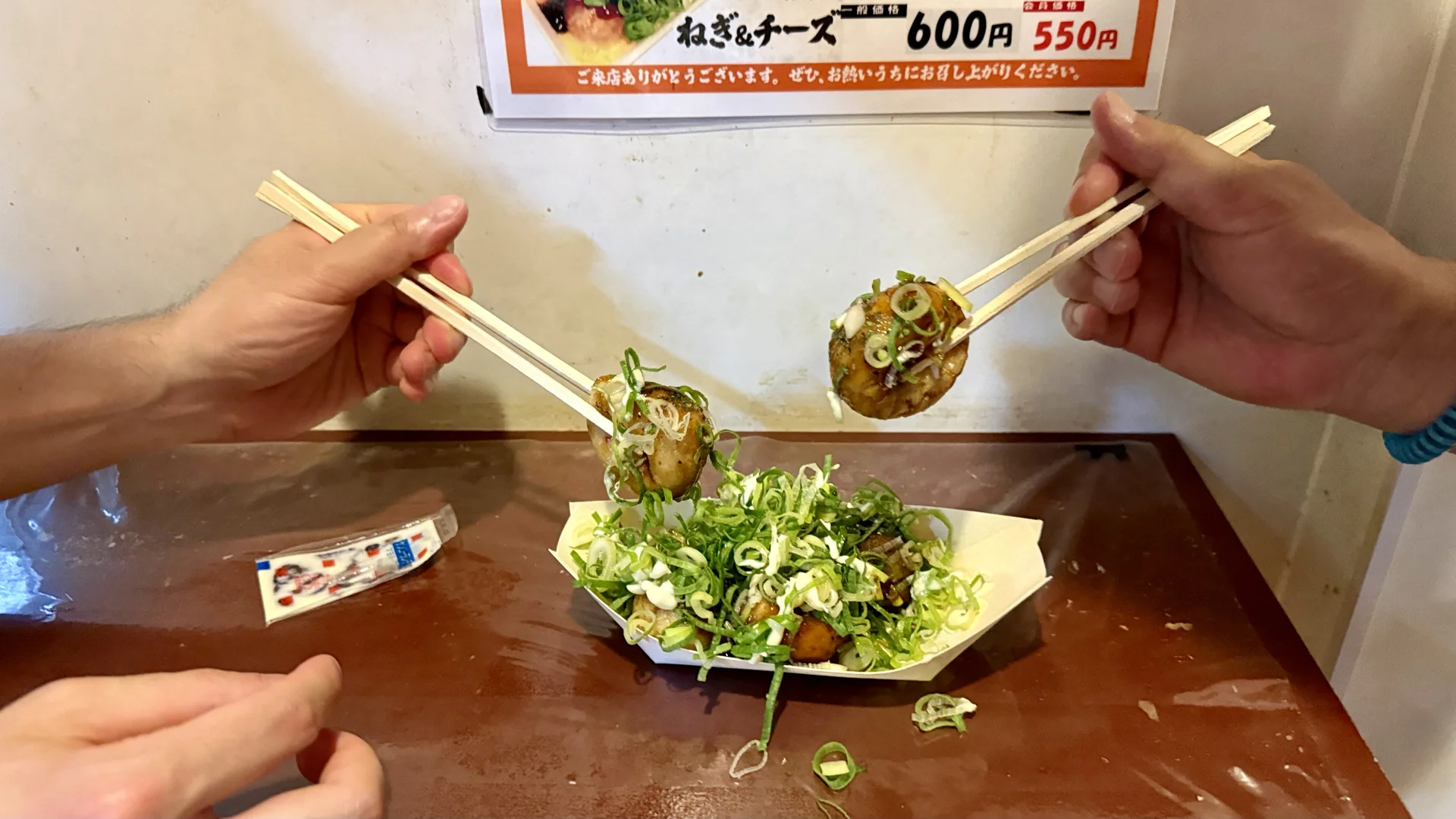
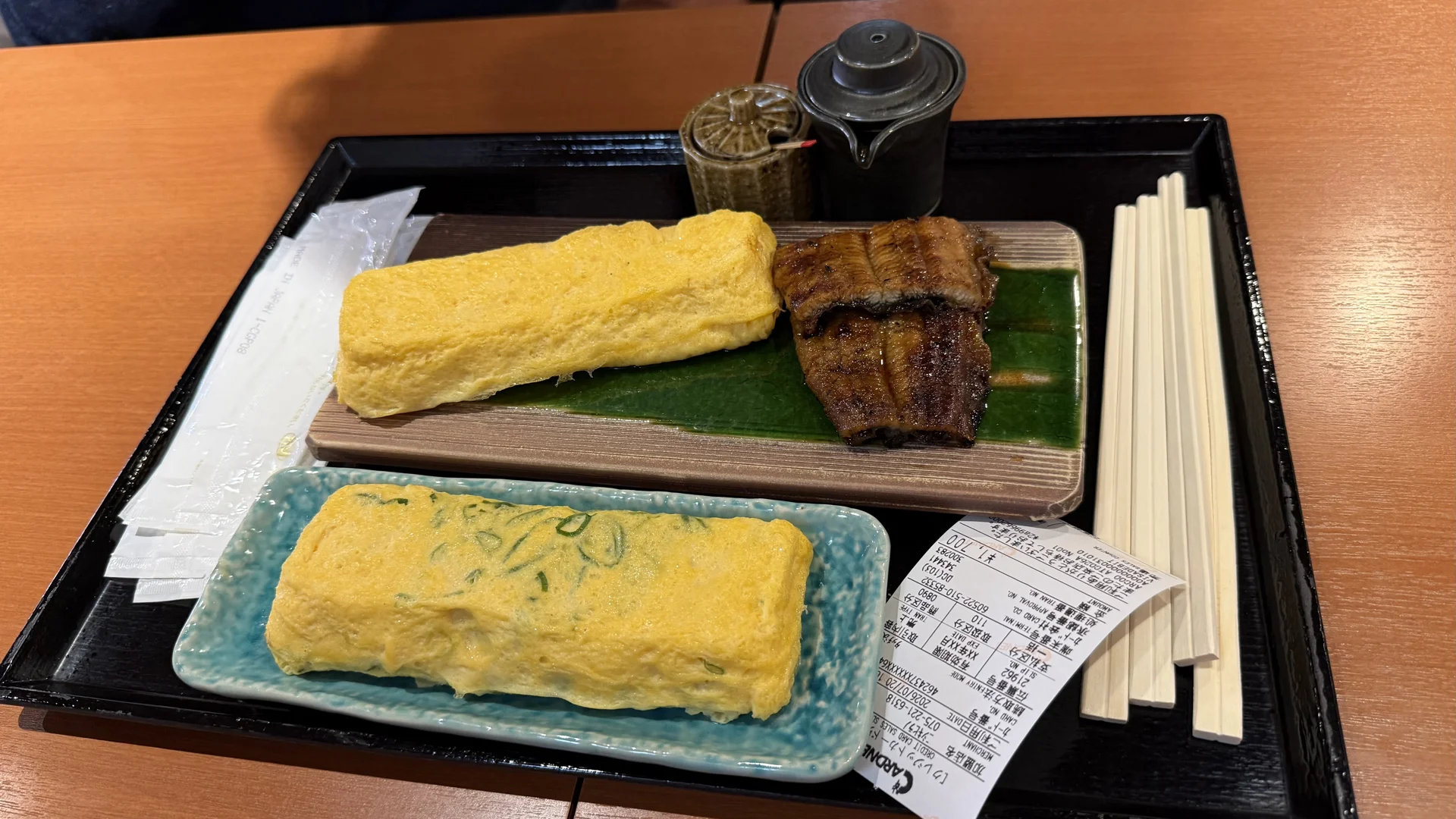
We dove into Nishiki Market — Kyoto’s “Kitchen” — led by a cheerful 20-year-old guide Saki from Osaka. This narrow, bustling lane has been feeding the city for centuries, and it shows: over a hundred shops and stalls packed shoulder to shoulder, hawking everything from silky yuba (tofu skin) and just-caught seafood to seasonal produce, traditional sweets, and tangy pickles. A total sensory overload, in the best way.
I was stuffed, so I passed my food along to Saki— who lit up like a kid on Christmas morning.
Kyoto (Day 1 morning tour)
July 19, 2026: Our 6:45 am tour kicked off with Mokoto — our wonderful 21-year-old guide (Scottish dad, Japanese mom), humble and friendly — plus a young couple from Brazil along for the ride.
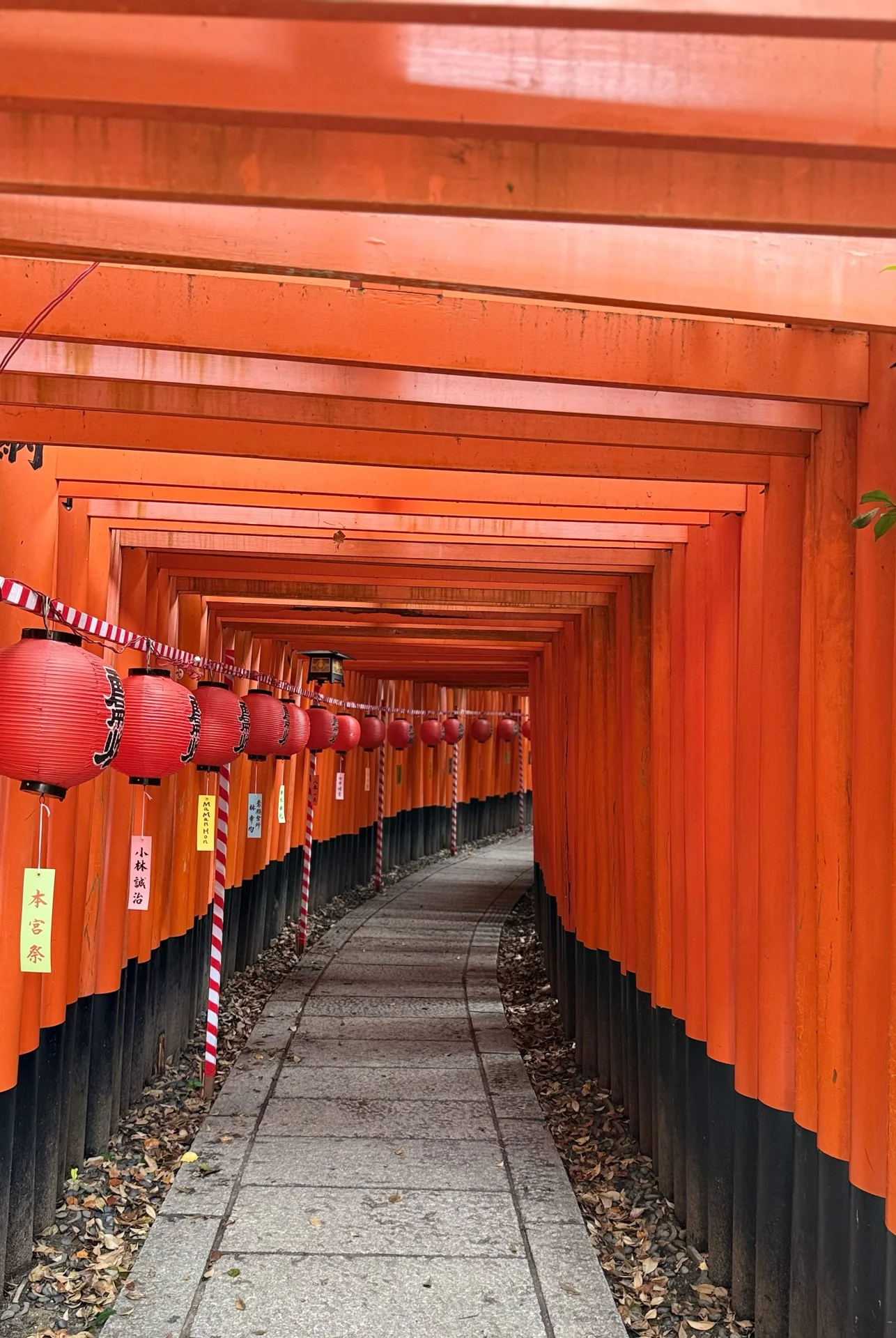
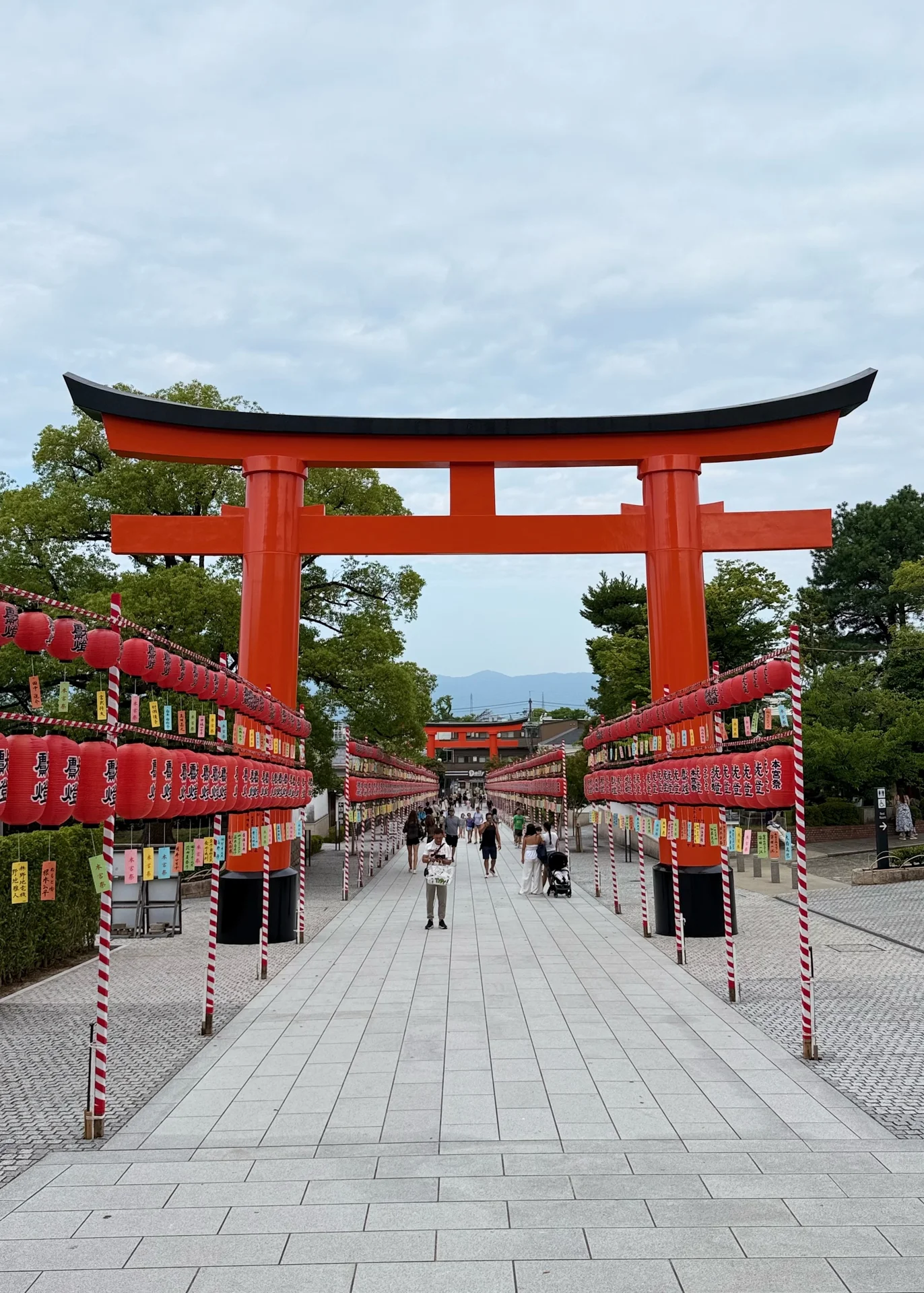
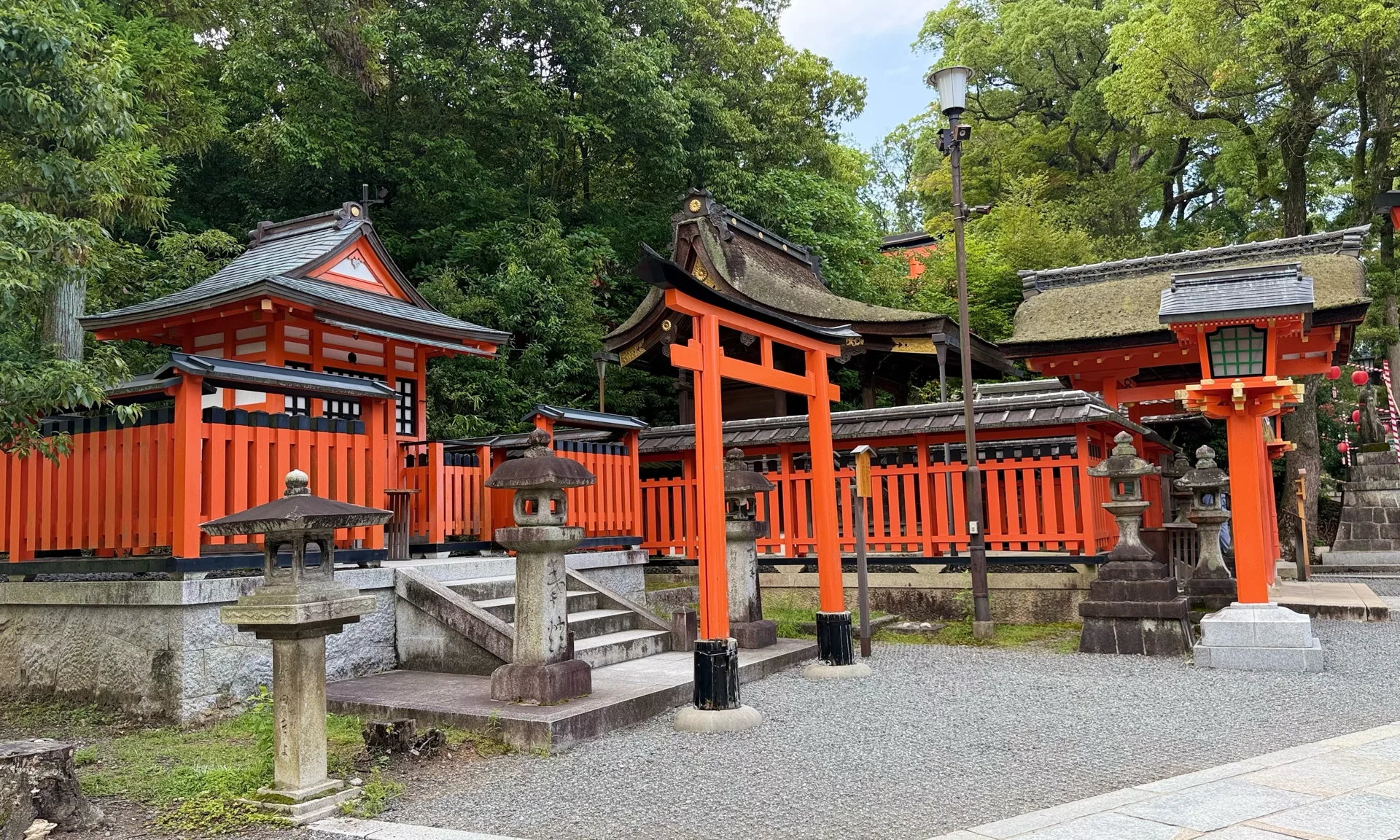
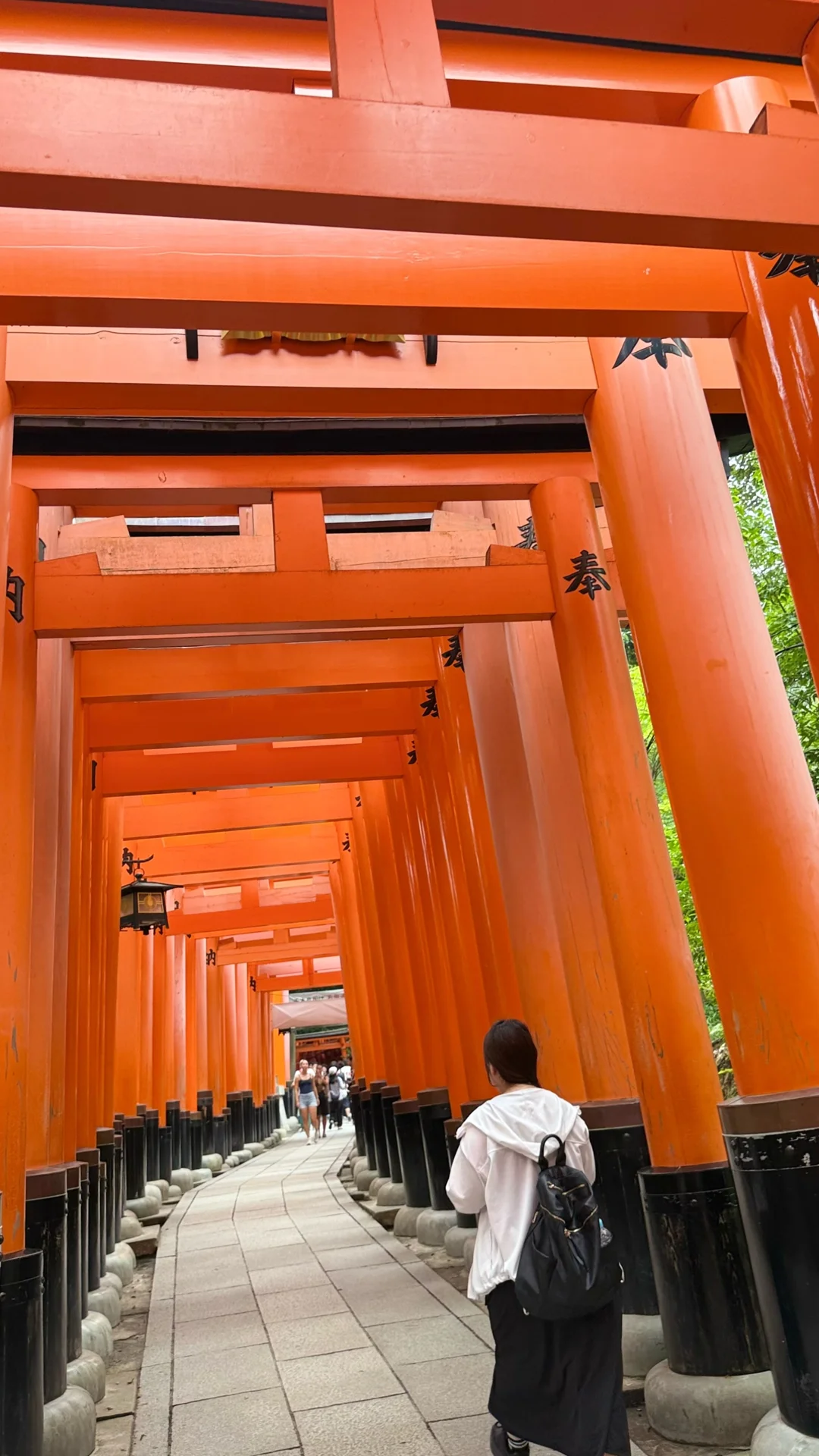
First stop: the enchanting Fushimi Inari-taisha Shrine, one of Japan’s most famous, where we wandered through thousands of striking red torii gates. A moment I wish I had the photography skills to truly capture.
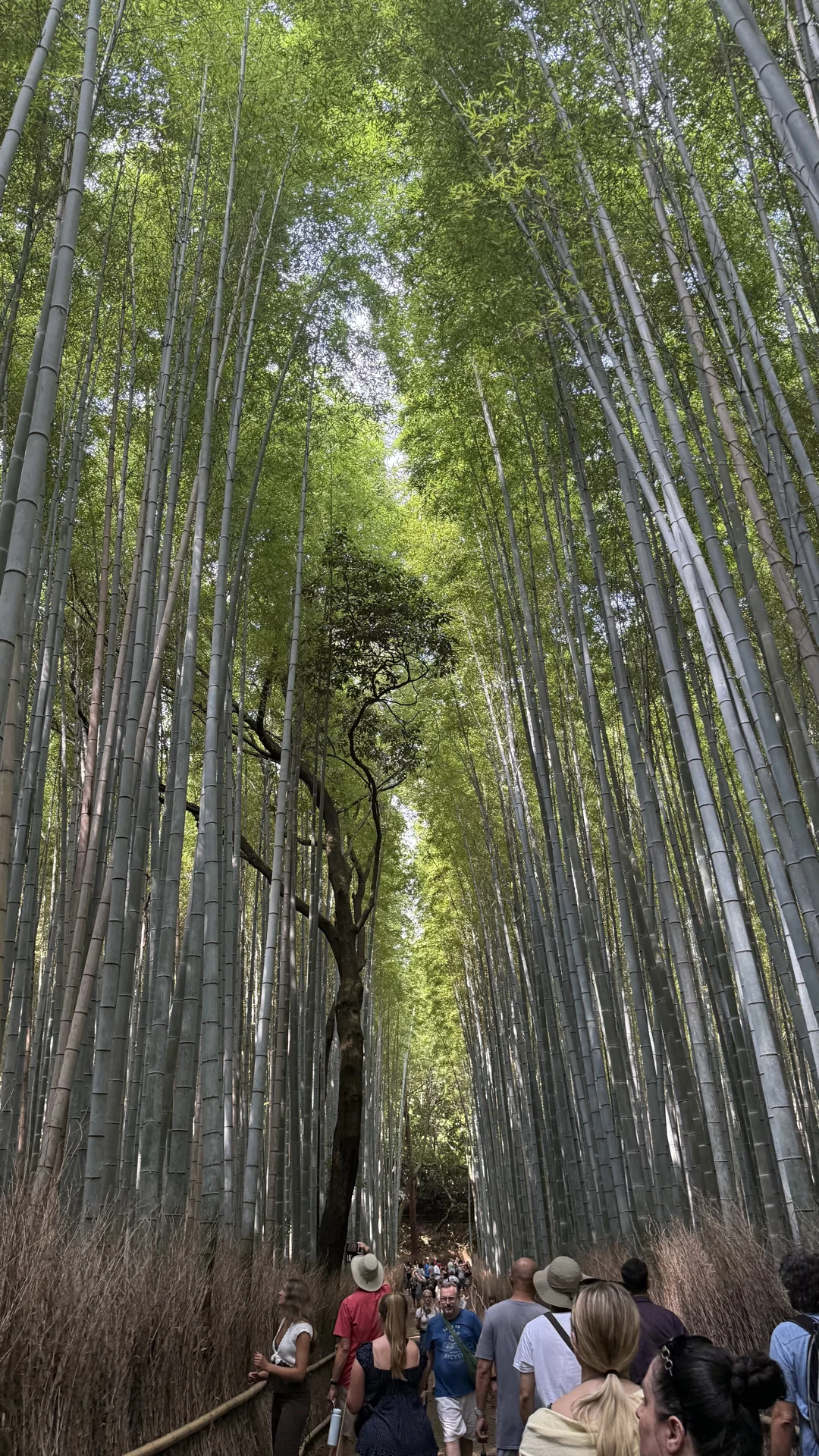
Next was the Arashiyama Bamboo Grove — serene, tranquil, and utterly captivating, mosquito bites notwithstanding.
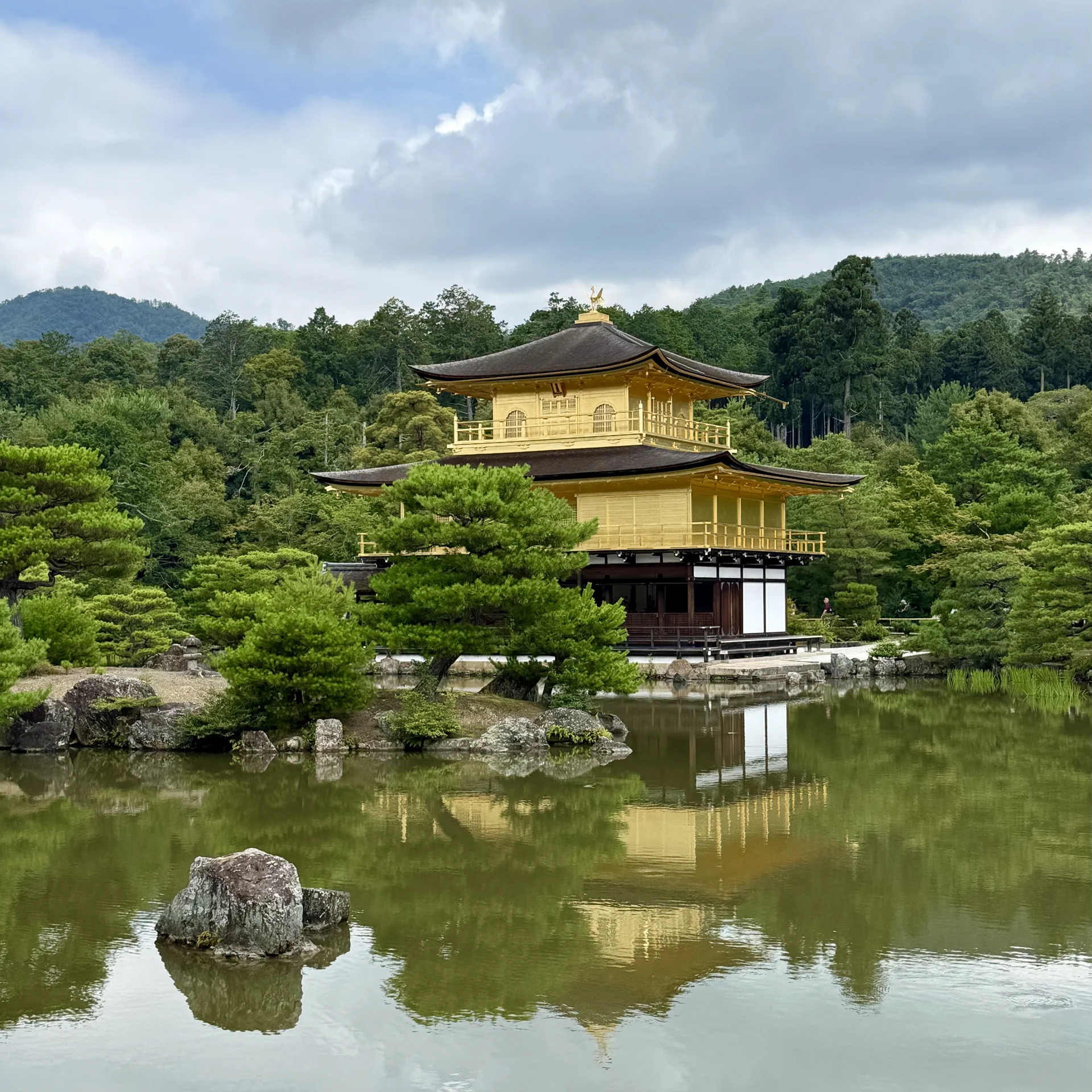
Our last stop was Kinkaku-ji, the Golden Pavilion: iconic, breathtaking, pure elegance. Personally, I think it beats the Silver Pavilion, which I’ll get to see for myself later.
Kyoto (arrival)
July 18, 2026: Two-plus hours on the train from Tokyo landed us in Kyoto, where we checked into an Airbnb right across from Toji Temple — steps from the station, couldn’t have been easier.
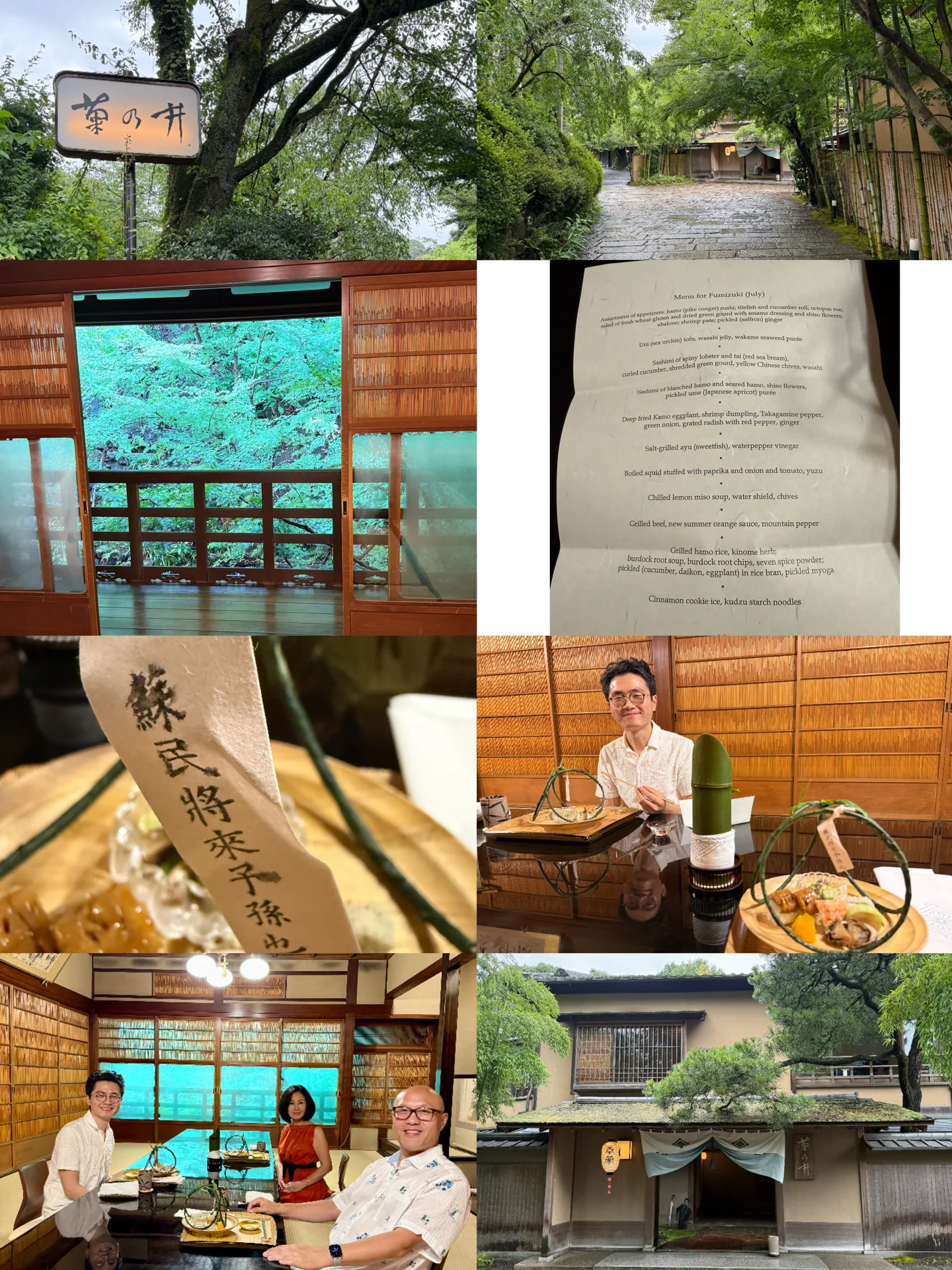
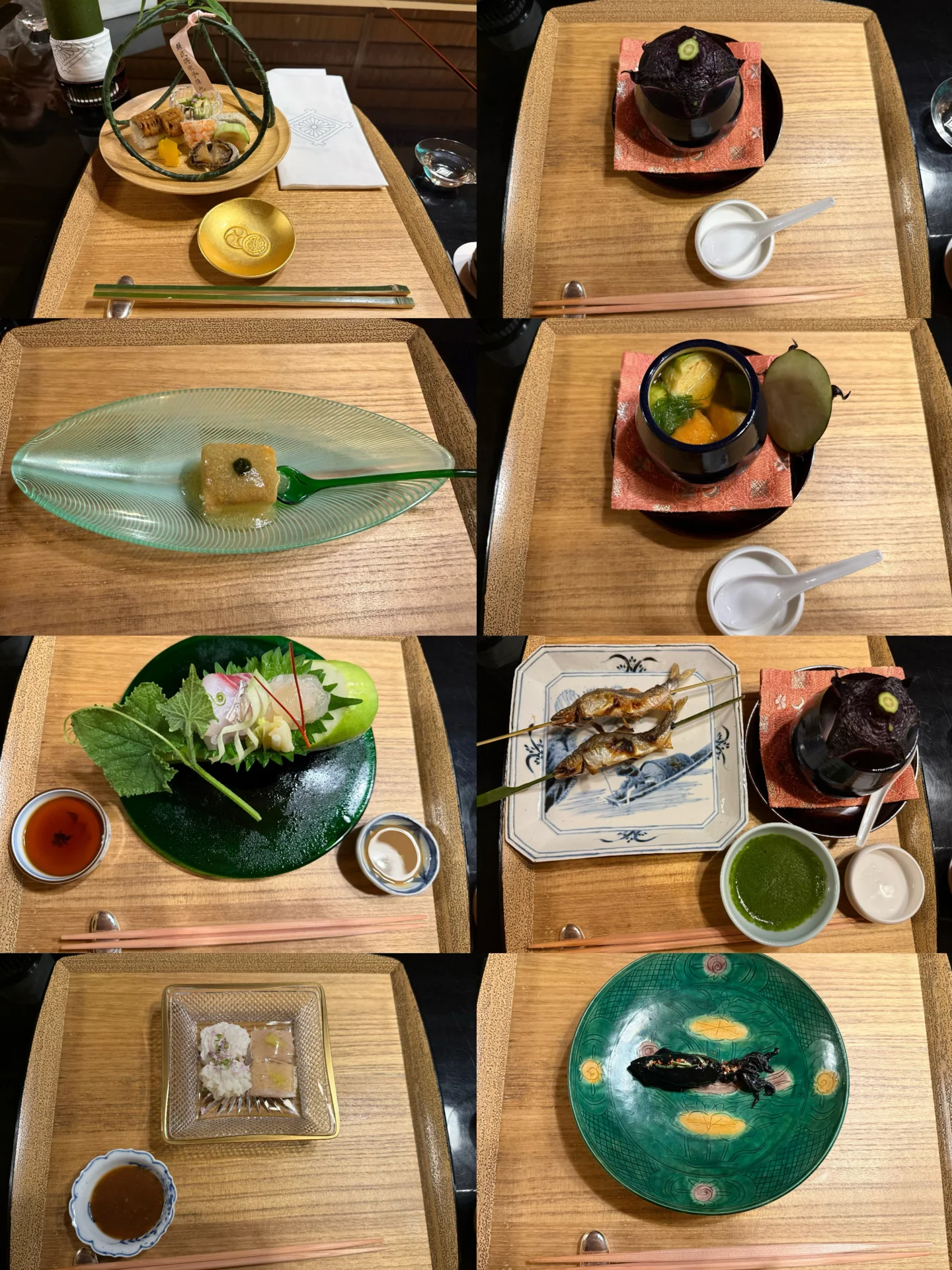
Dinner was the main event: Kikunoi Honten, a three-Michelin-star kaiseki restaurant famous for seasonal Japanese cuisine built around kirei sabi — elegant, understated beauty. Our waiter Hayaido had a blast trading jokes with David, who has a gift for making instant friends with total strangers.
The dishes were almost too beautiful to eat — and a few demanded an acquired taste to really appreciate. The salt-grilled ayu (sweetfish) was a trip: bitter first, then suddenly sweet. Equally intriguing was a chilled lemon miso soup with water shield and chives — I’m obsessed with water shield’s slippery, silky-crunch texture, unlike anything I’ve had before. Another favorite was the grilled hamo rice, which I’m already plotting to recreate at home.