Icefield Parkway, Glacier Skywalk (Jasper) / Peyto Lake, Bow Falls, Hoodoos (Banff)
Sept 1, 2026 – Day 9 (A long day!)
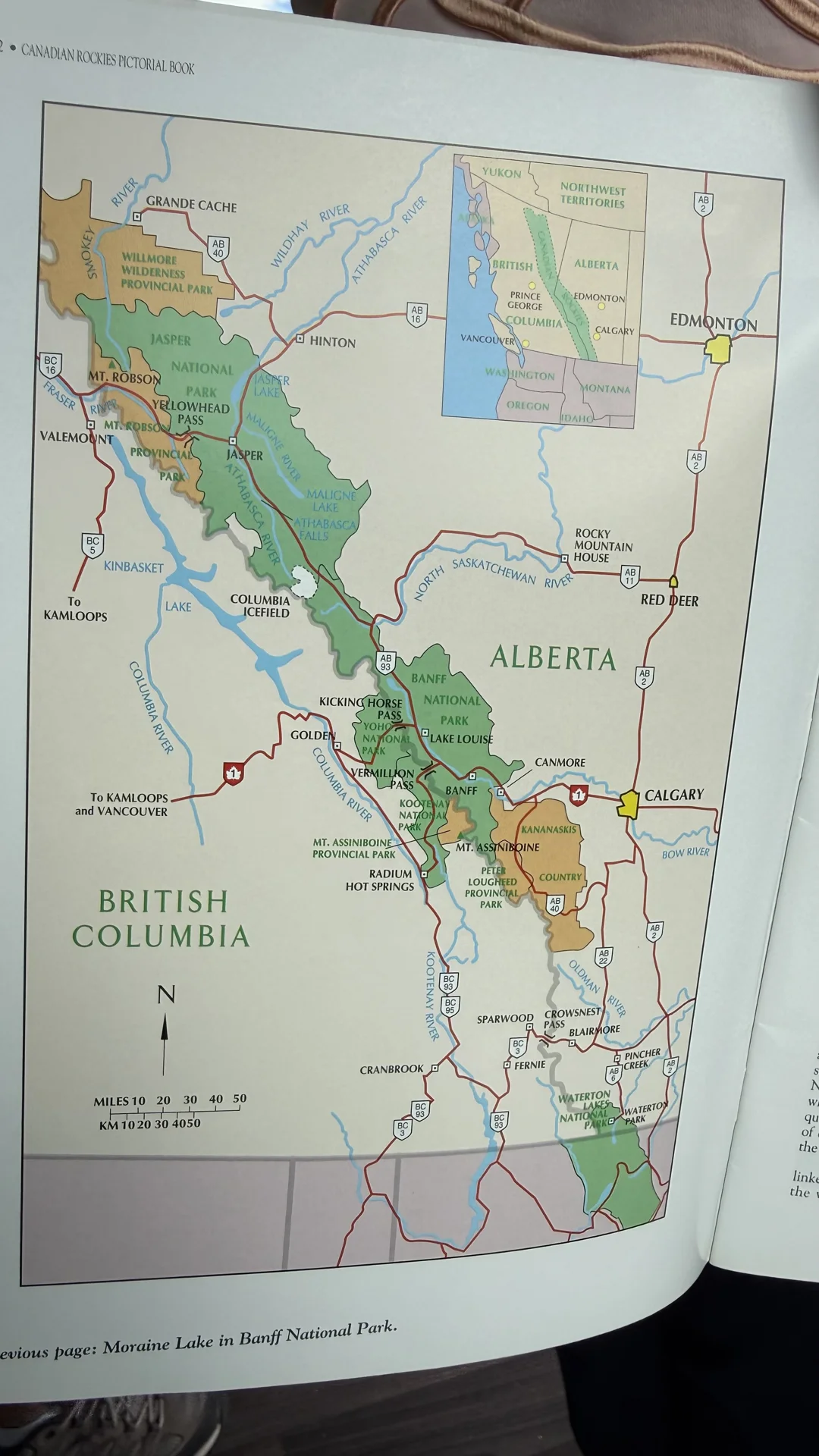
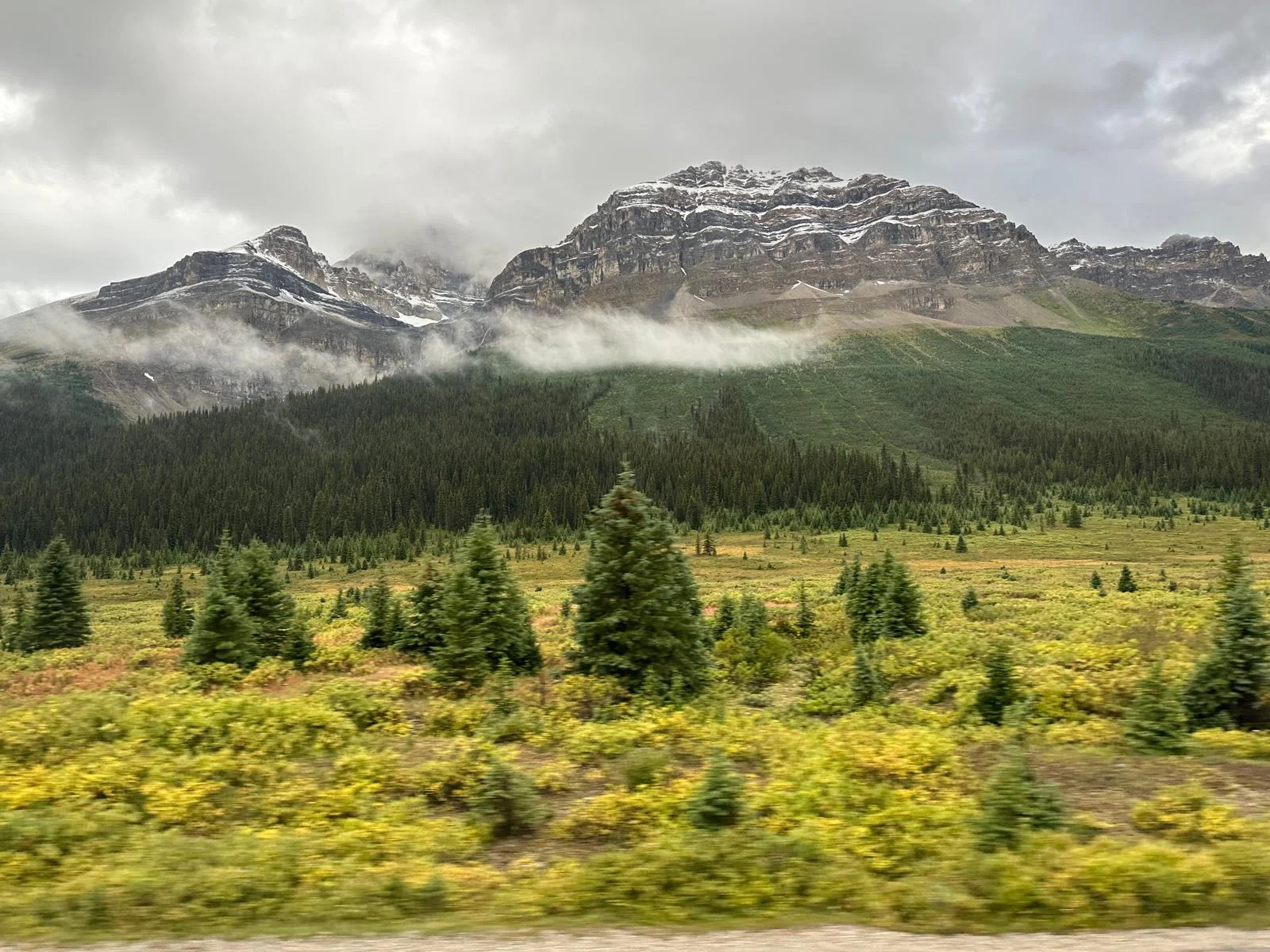
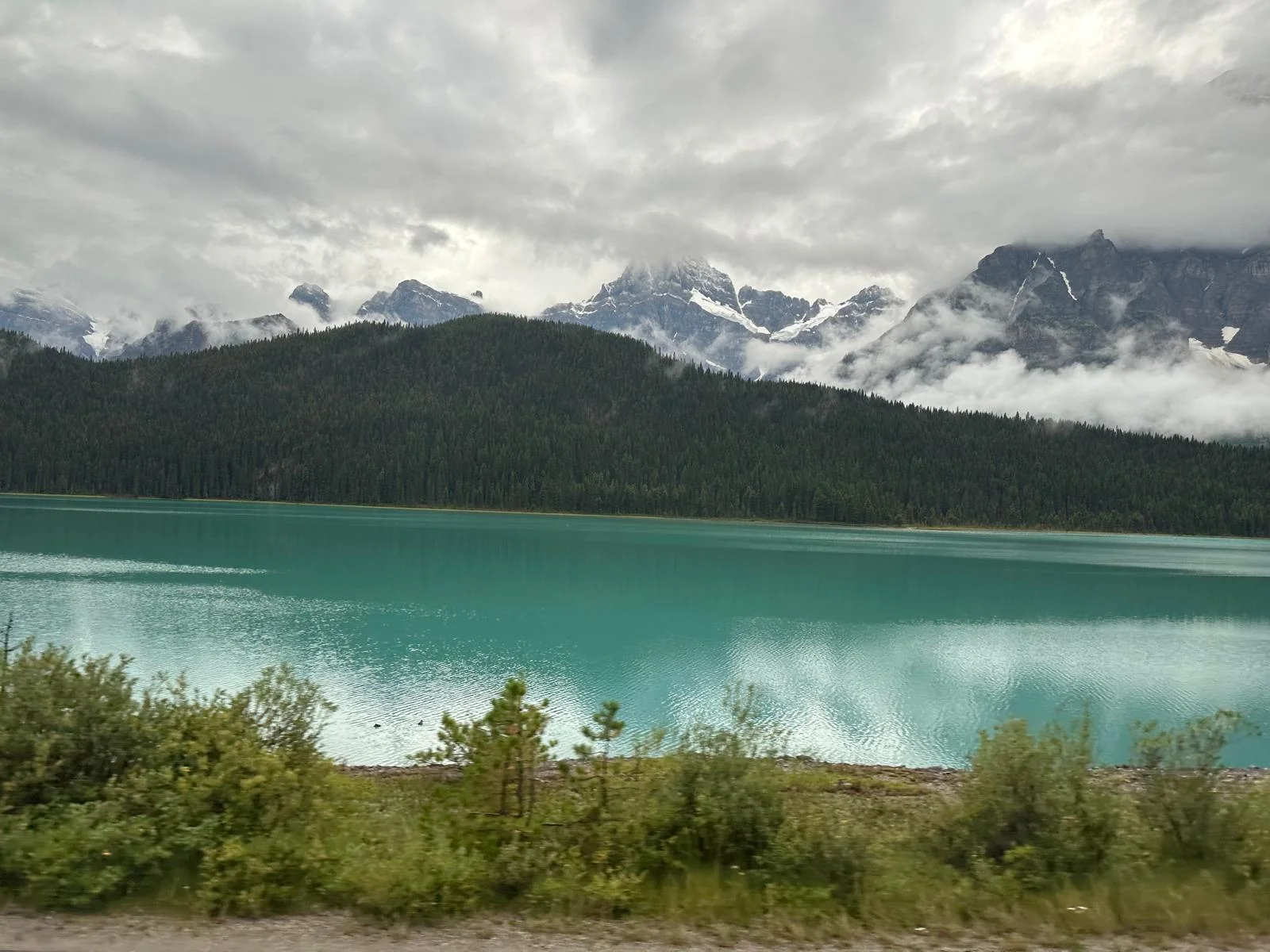
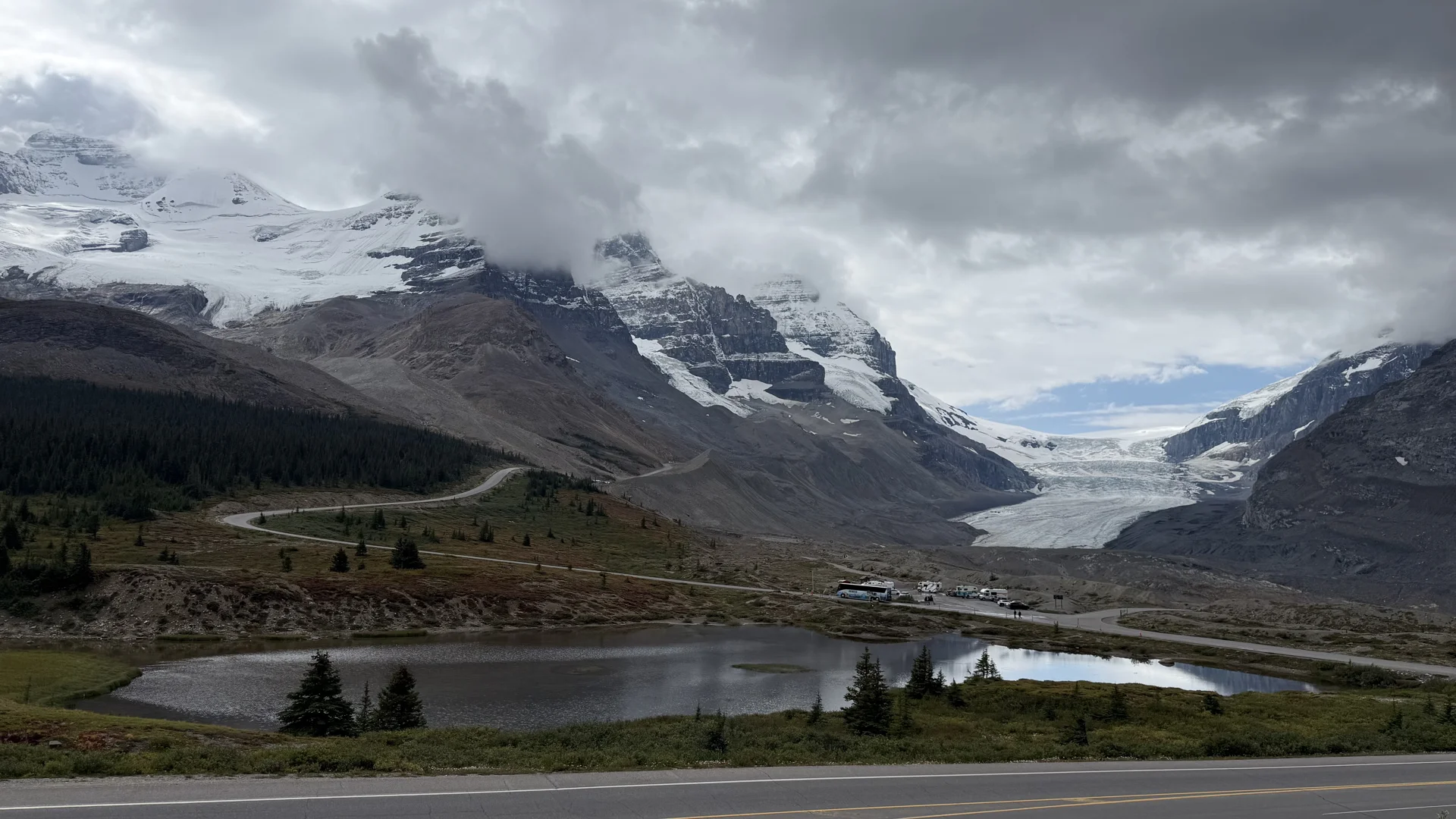
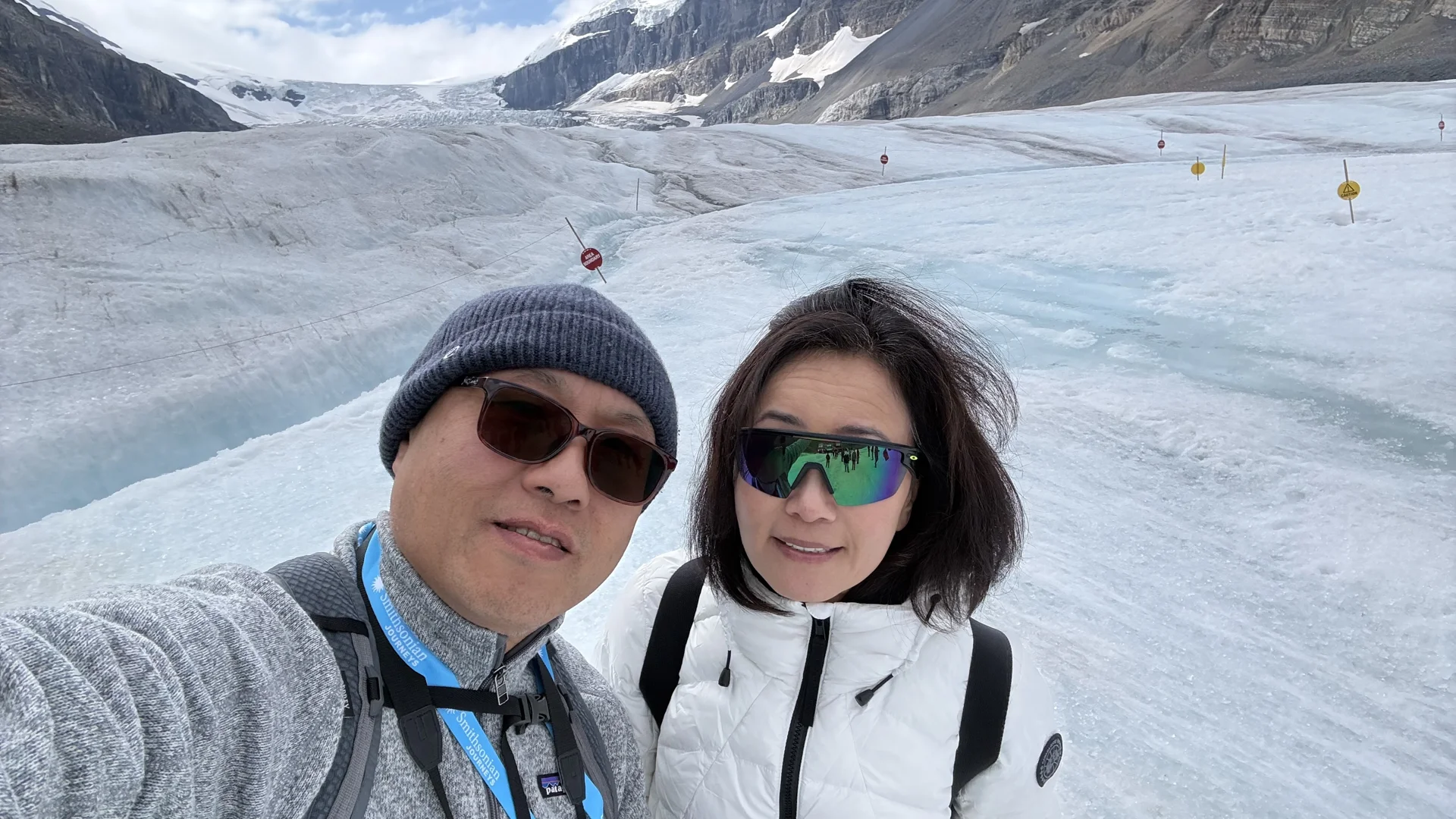
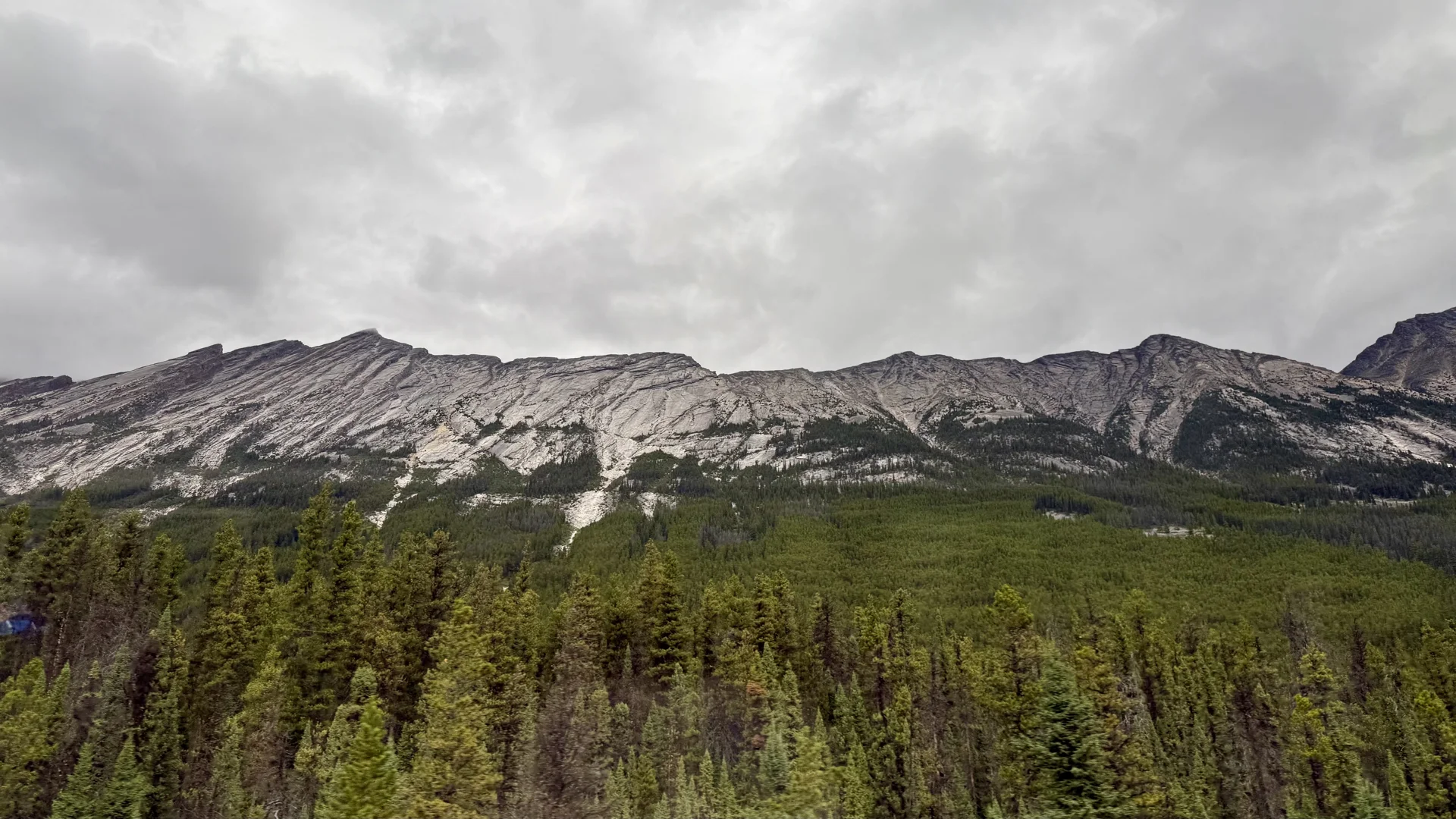
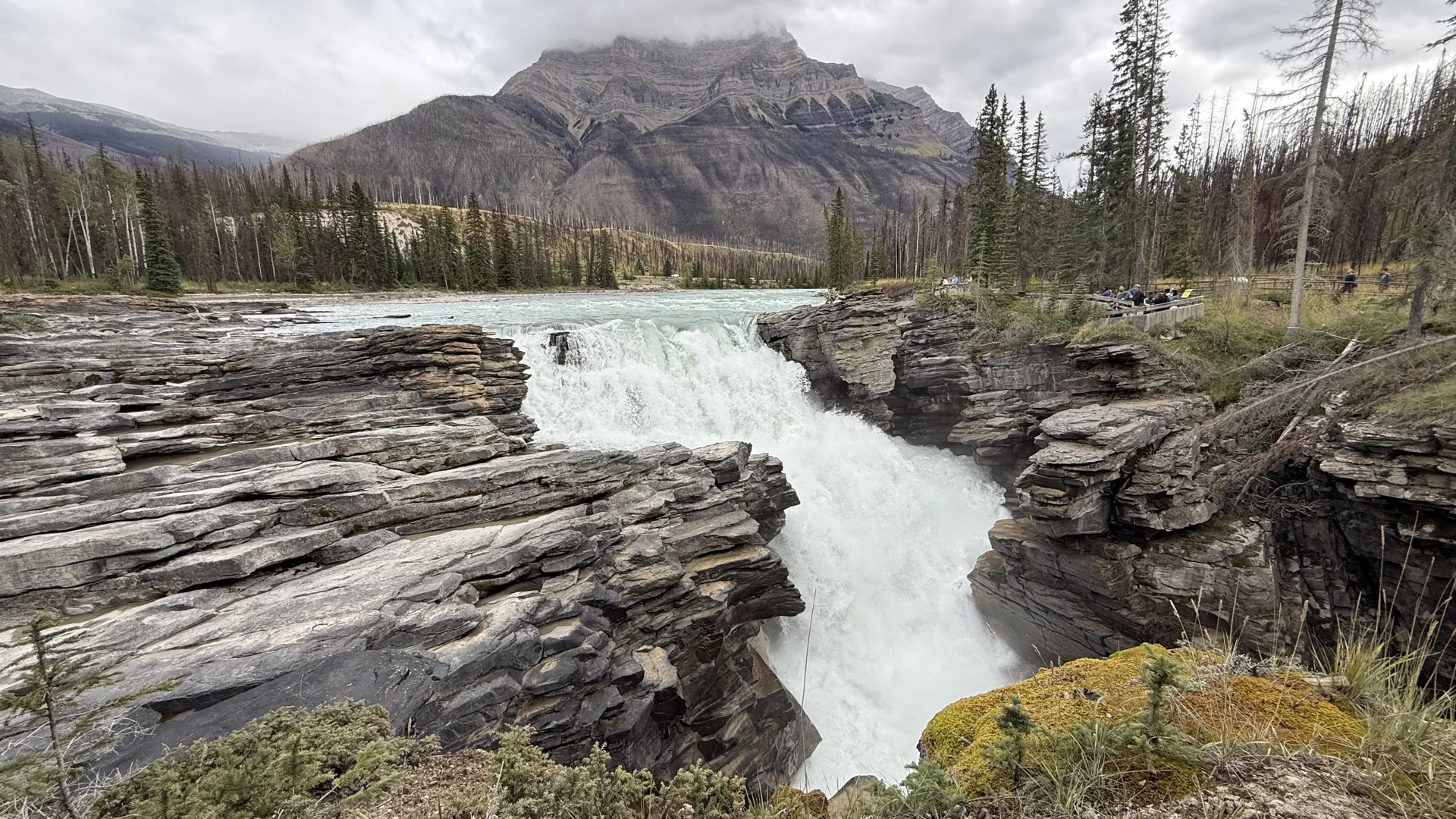
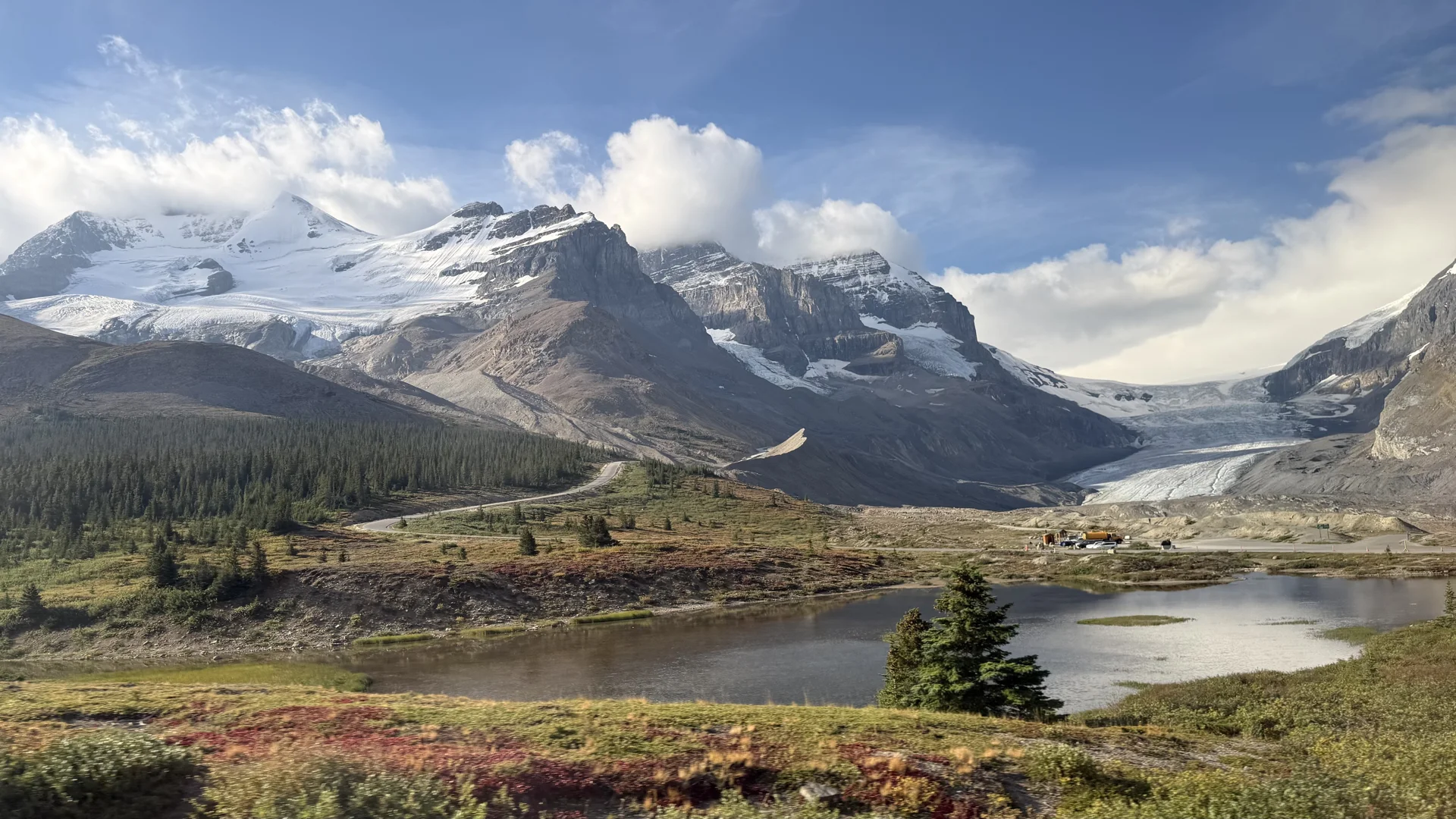
Today we hit the road again — the Columbia Icefield Parkway, or Promenade des Glaciers if you’re feeling fancy. This dramatic highway traces the Continental Divide straight through the heart of Jasper and Banff, stringing together showstoppers like Bow Lake, Peyto Lake, and Sunwapta and Athabasca Falls along the way. It also skirts the massive Columbia Icefield — ice that’s been sitting there since 126,000 to 238,000 years ago — whose Snow Dome pulls off a neat trick: it’s one of only two spots on Earth where meltwater splits three ways, feeding three different oceans.
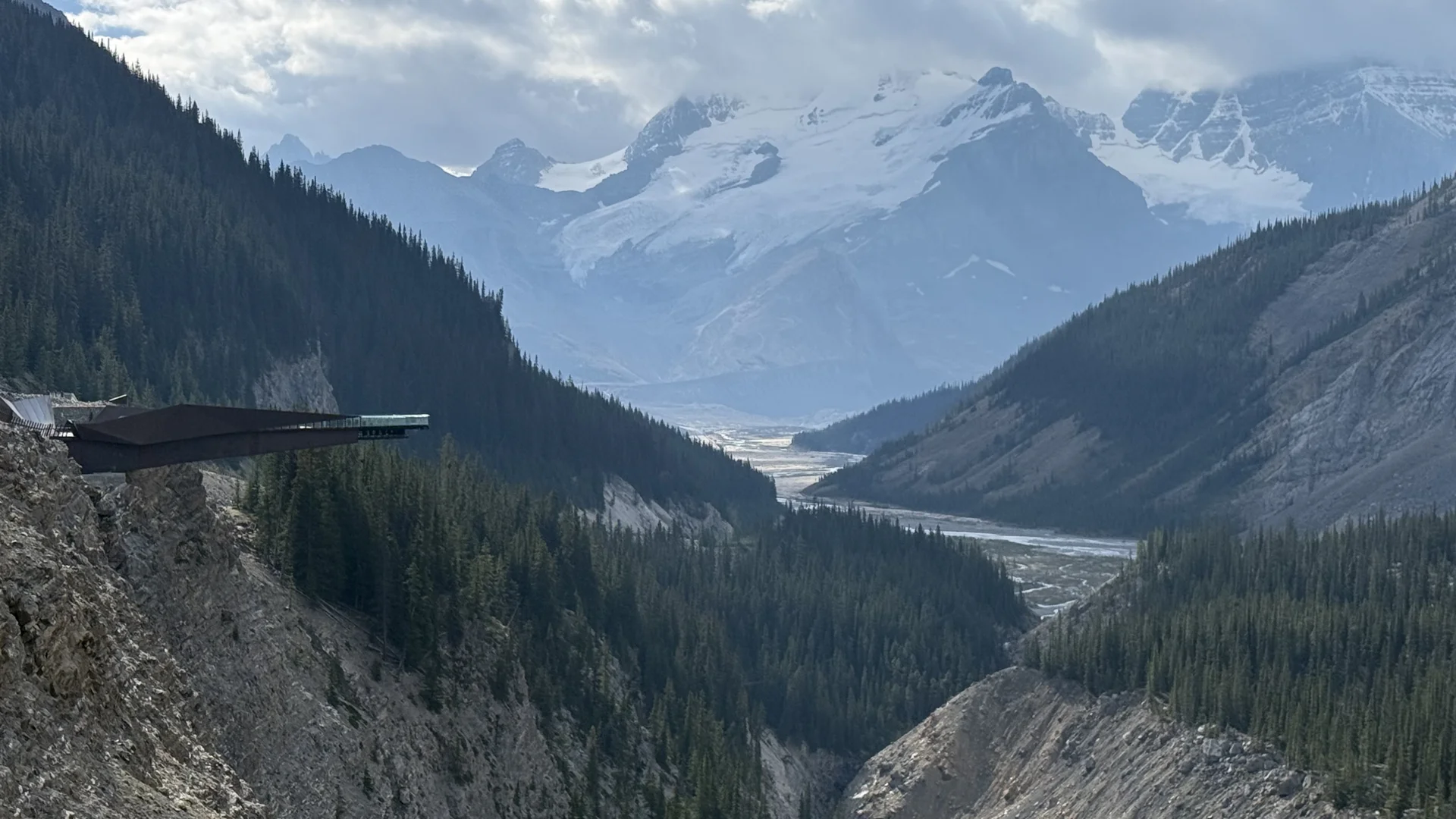
At midday came the main event: tiptoeing across the Glacier Skywalk, nerves and all. This cliff-edge walkway juts out to a glass-bottomed observation deck hanging nearly 1,000 feet above the valley floor — not for the faint of heart, but easily one of the wildest ways to take in the Canadian Rockies. Exhibits along the way covered waterfalls, fossils, and local wildlife, but let’s be honest, the deck stole the show. Standing where eagles soar below you, with glaciers, jagged peaks, and thundering waterfalls stretching out in every direction, is a view that’s hard to beat.
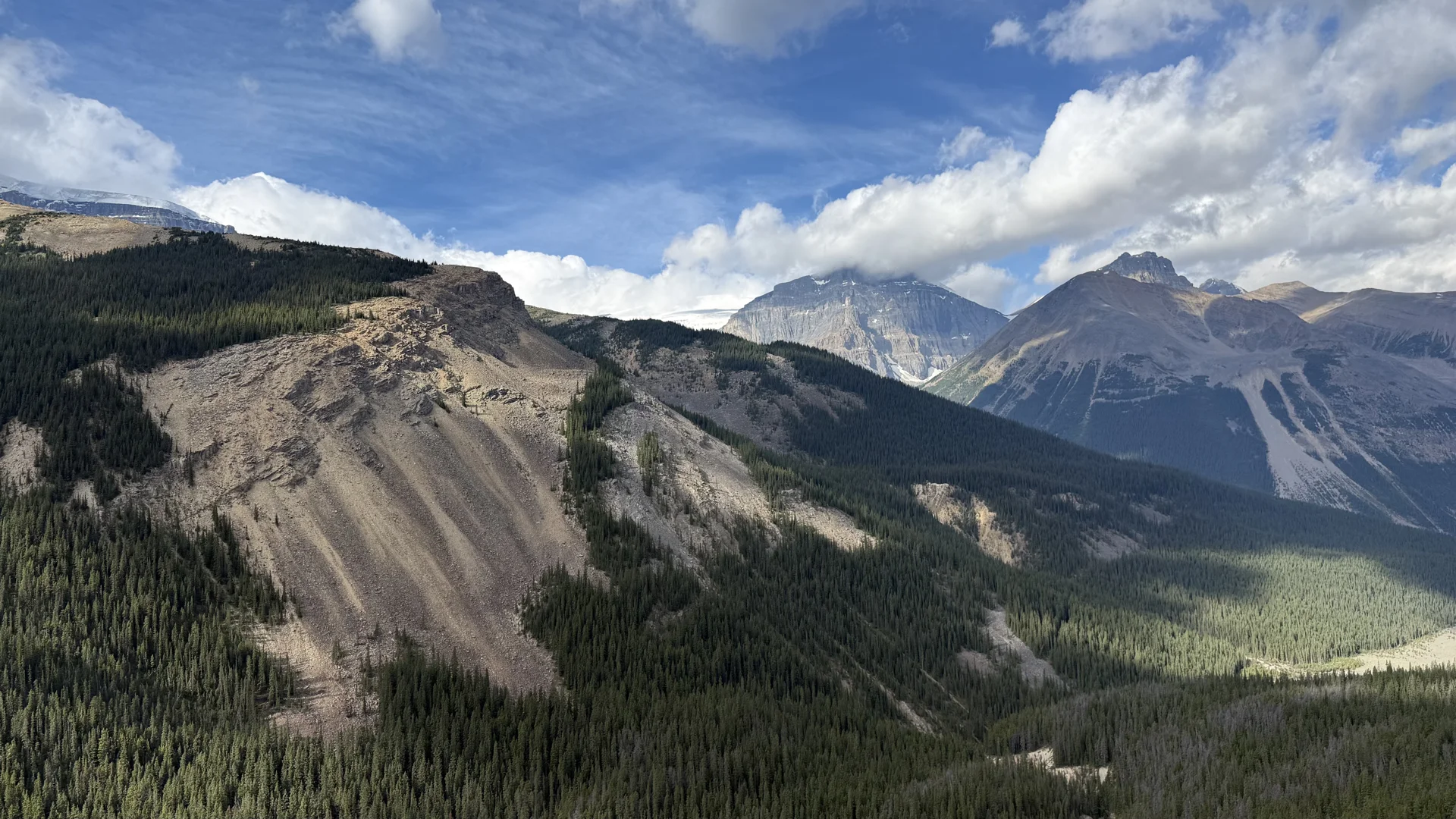

Peyto Lake looked so absurdly turquoise it seems photoshopped — but the real explanation is even cooler. Credit the Peyto Glacier, which grinds rock into a powder so fine (called rock flour) that it just floats in the meltwater instead of sinking. Add sunlight, and physics takes over: the lake absorbs the reds, oranges, and yellows, bounces back the greens and blues, and the suspended rock flour nudges things further toward green. More flour, more green — nature’s own paint mixer.

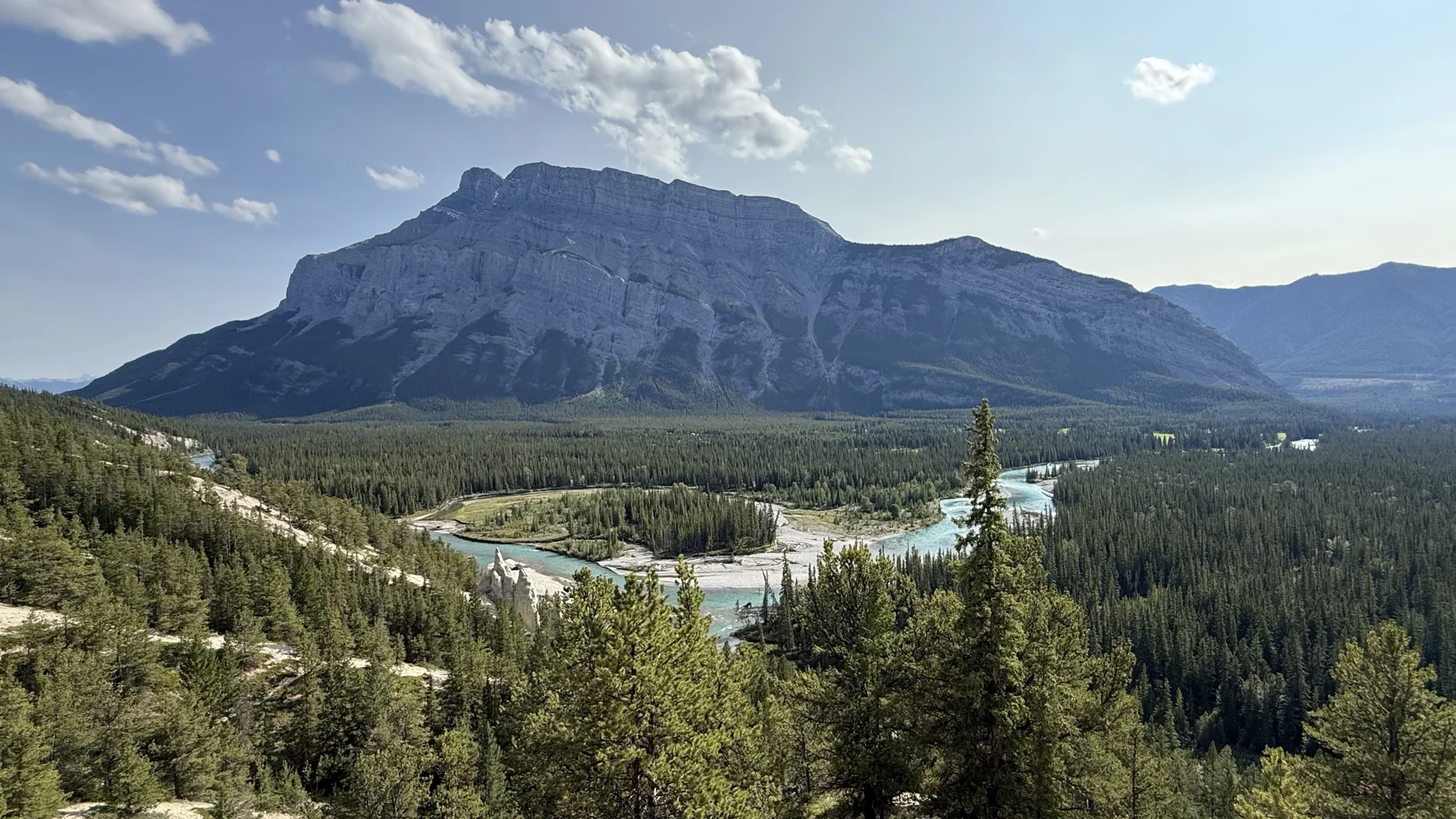
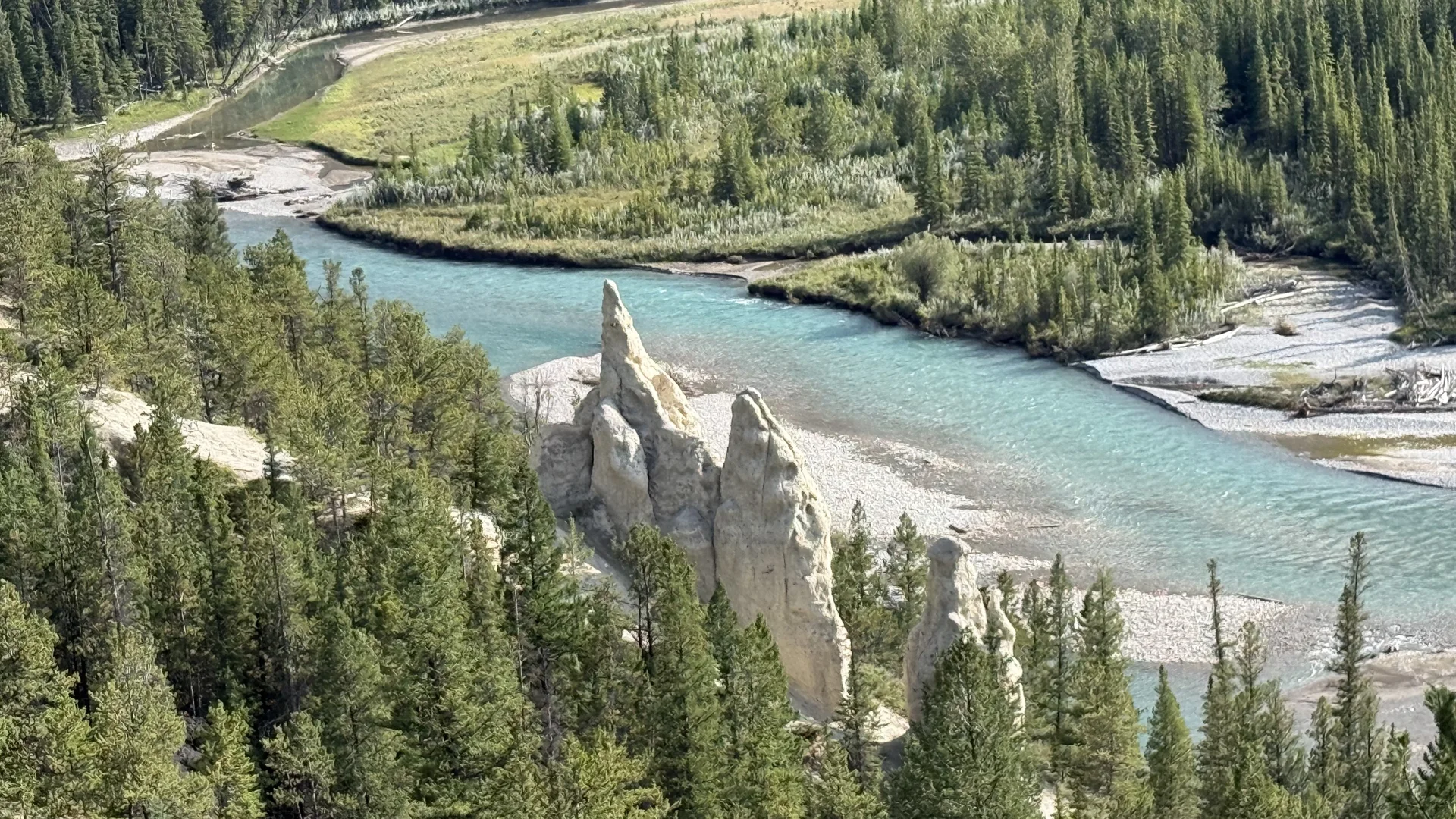
The hoodoos were nature’s weirdest rock sculptures. These tapering stone pillars are the survivors of thousands of years of rain, snowmelt, and wind chewing away at glacial rock — each one saved by a lucky cap of sod or harder stone that acted like a tiny umbrella while everything around it eroded into oblivion. Standing among them, it’s easy to see why they’ve spooked and fascinated people for centuries — even the origin of the name “hoodoo” is a mystery. They pop up elsewhere in the Rockies too, like Yoho National Park’s Leanchoil hoodoos, but for the ultimate hoodoo pilgrimage, Alberta’s Badlands are the place to go.
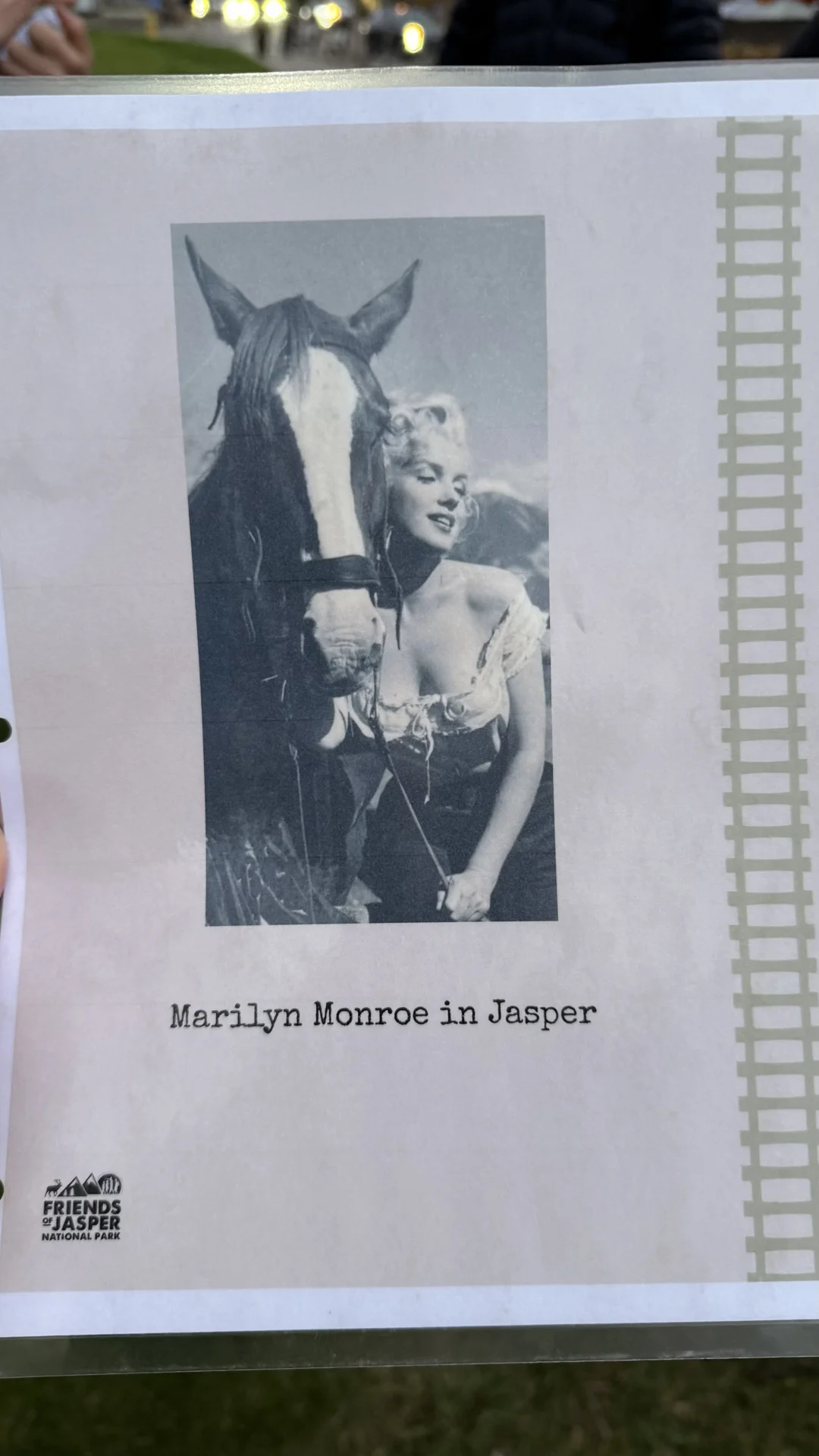
We also swung by Bow Falls — short on height, big on drama. It might not crack any “tallest waterfall” lists, but it’s got serious Hollywood cred: this is where Marilyn Monroe went tumbling down the rapids in River of No Return back in 1954 (stunt double doing the actual tumbling, let’s be honest).

We wrapped up the day at the Rimrock, clinging to the side of Sulphur Mountain like it’s daring you to look down at the Bow Valley. This Four Diamond hideaway practically shares a driveway with the Banff Upper Hot Springs, tucked into pine forest with alpine charm to spare — the perfect landing spot for dinner after a day of glass floors, weird rocks, and impossibly blue lakes.