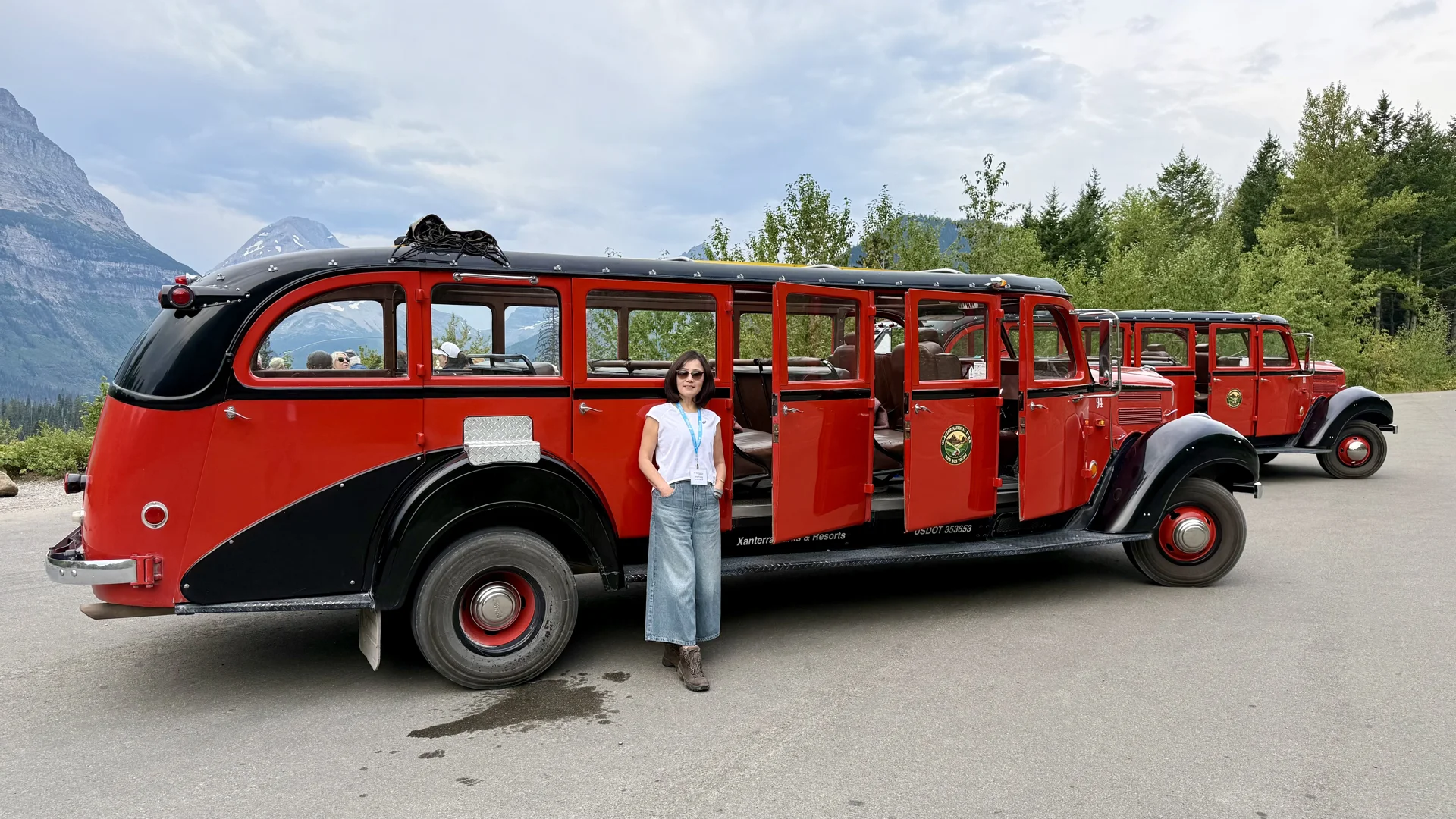
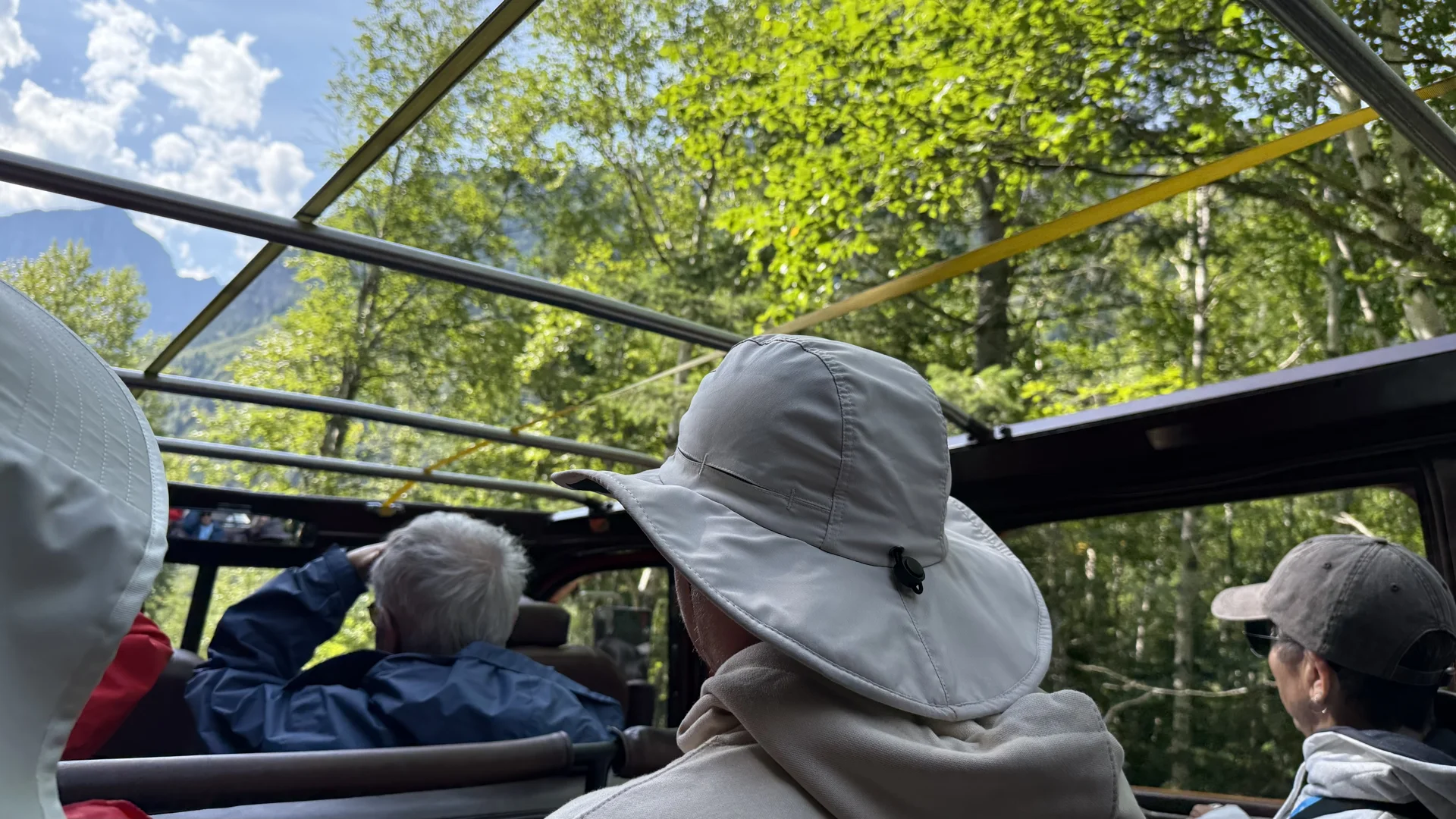
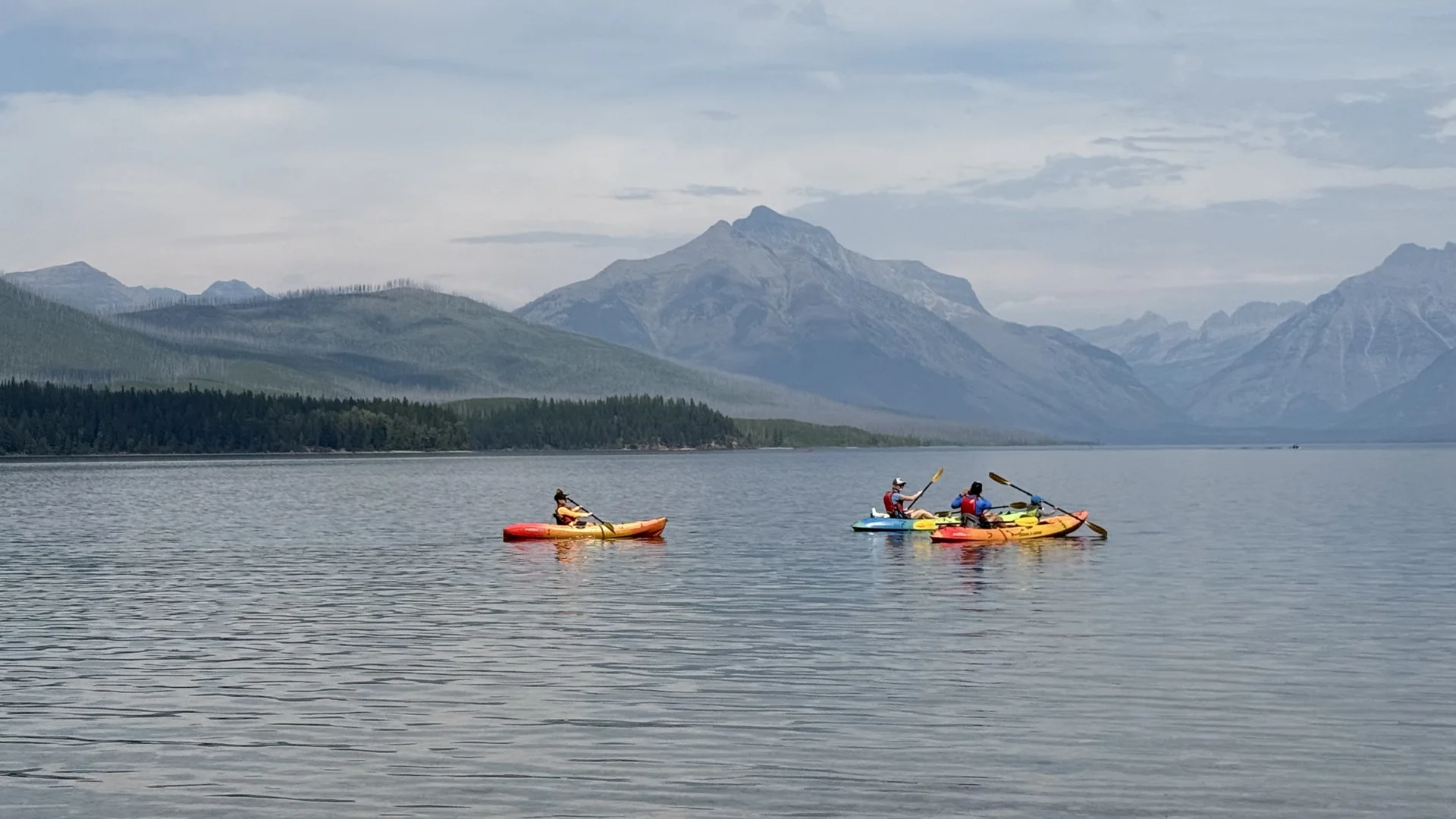
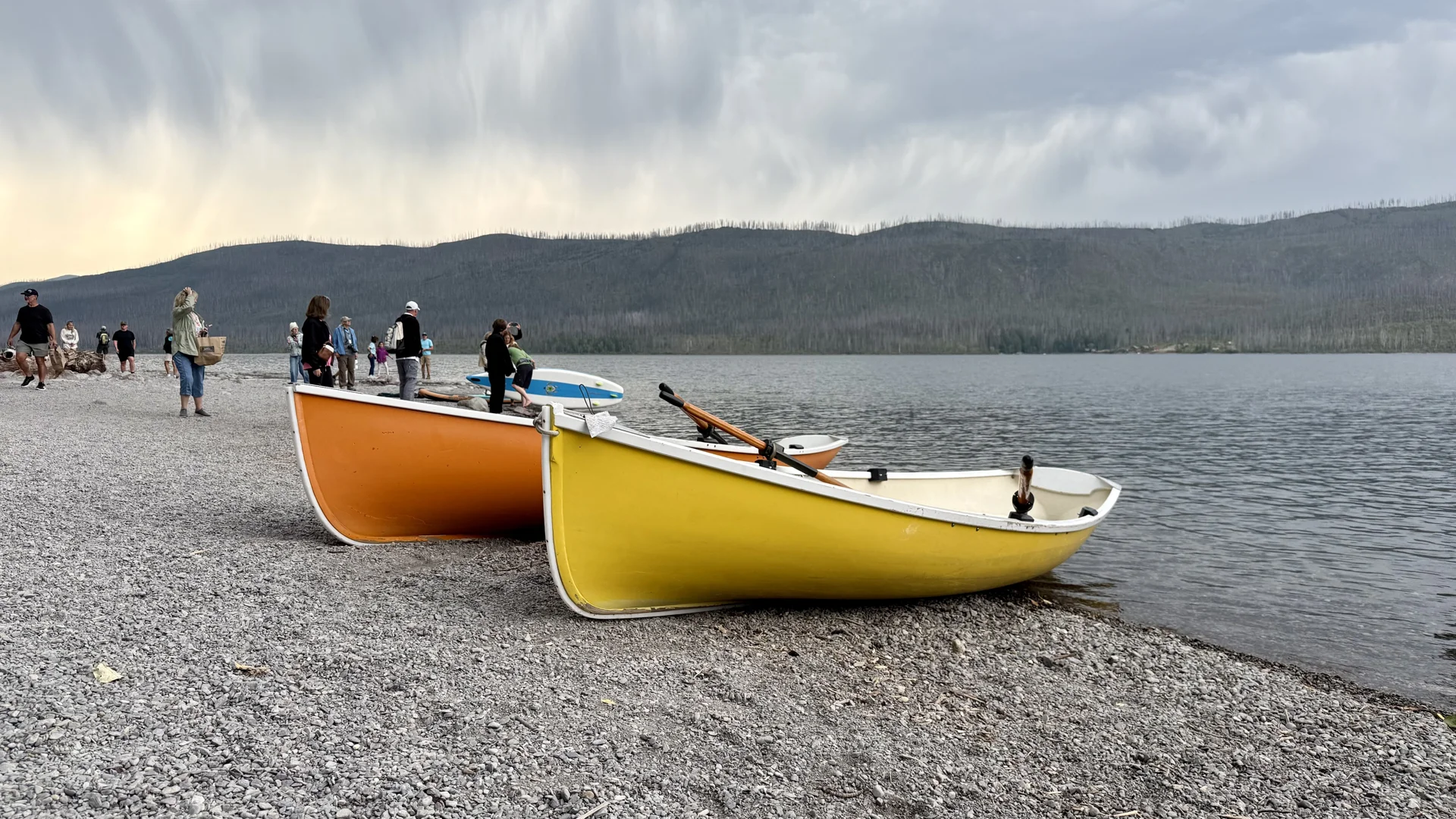
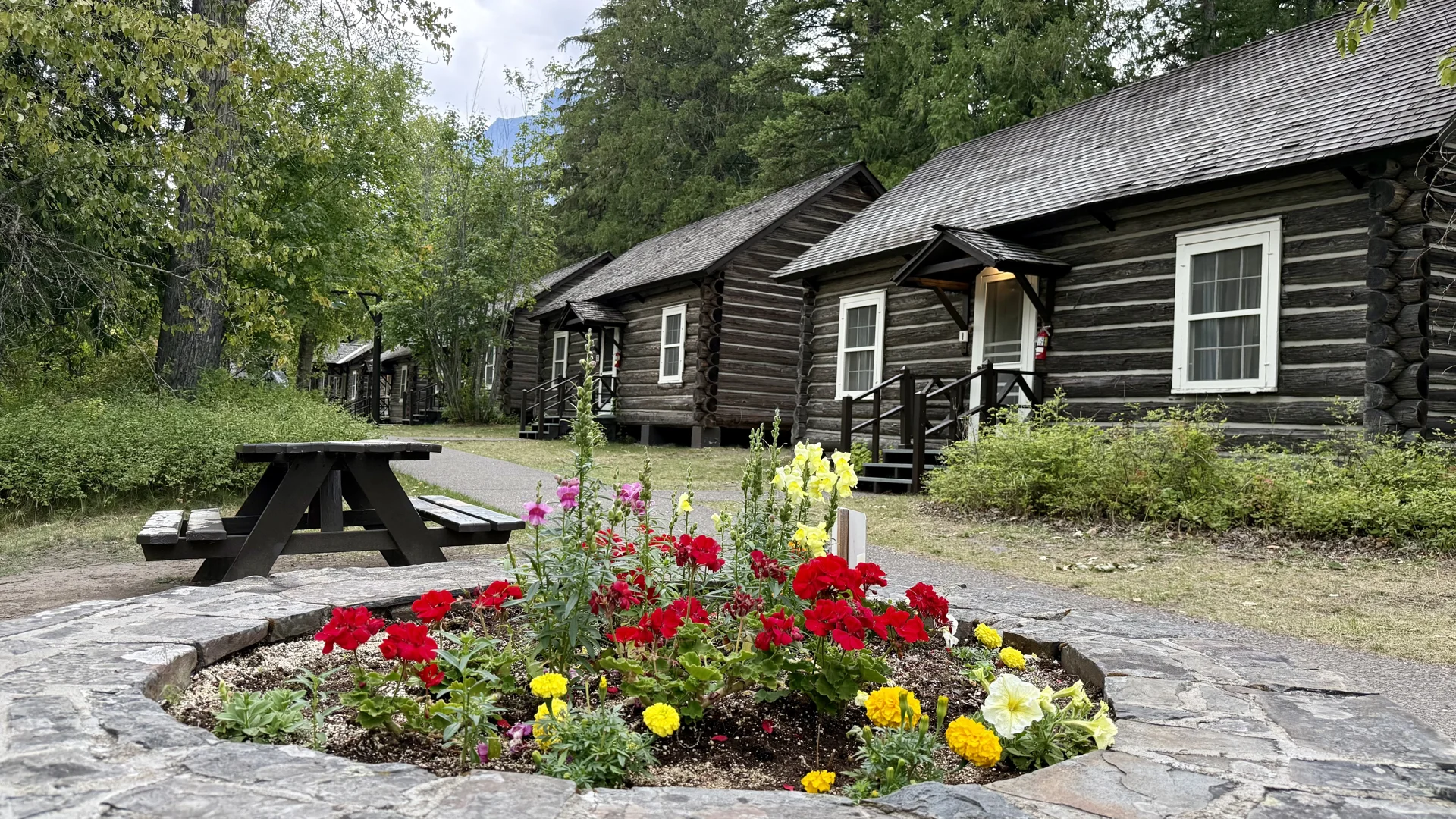
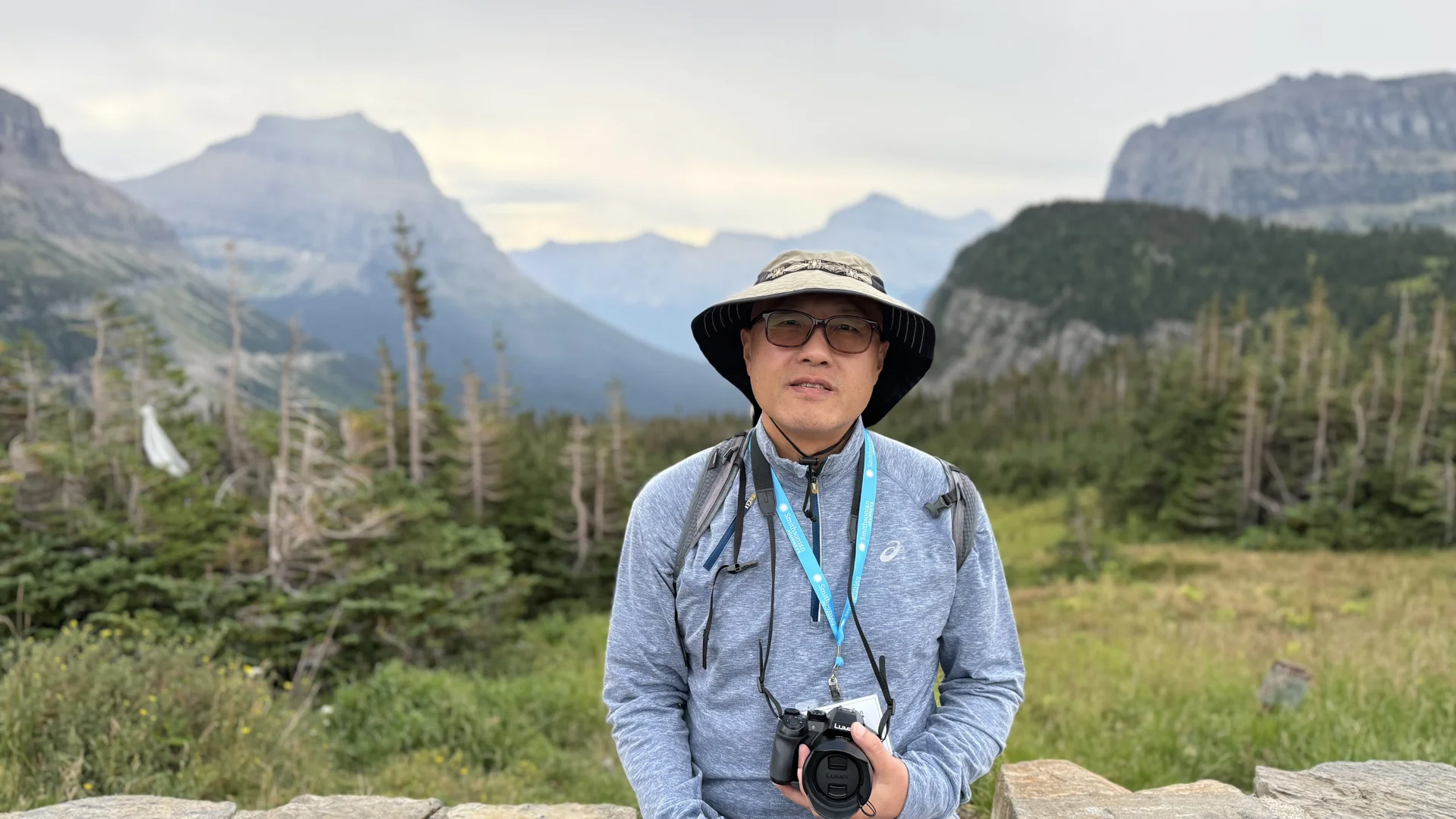
Today was a bucket-list day: we boarded one of Glacier’s legendary Red Jammers — vintage buses rolling since the 1930s, roll-back canvas tops and all, named for the sound early drivers made jamming the manual transmission into low gear on the steep grades. Our ride: the fabled Going-to-the-Sun Road, 50 miles of twisting, breathtaking, hair-raising mountain pass, and the first road ever crowned a National Historic Place, Landmark, and Civil Engineering Landmark all at once.
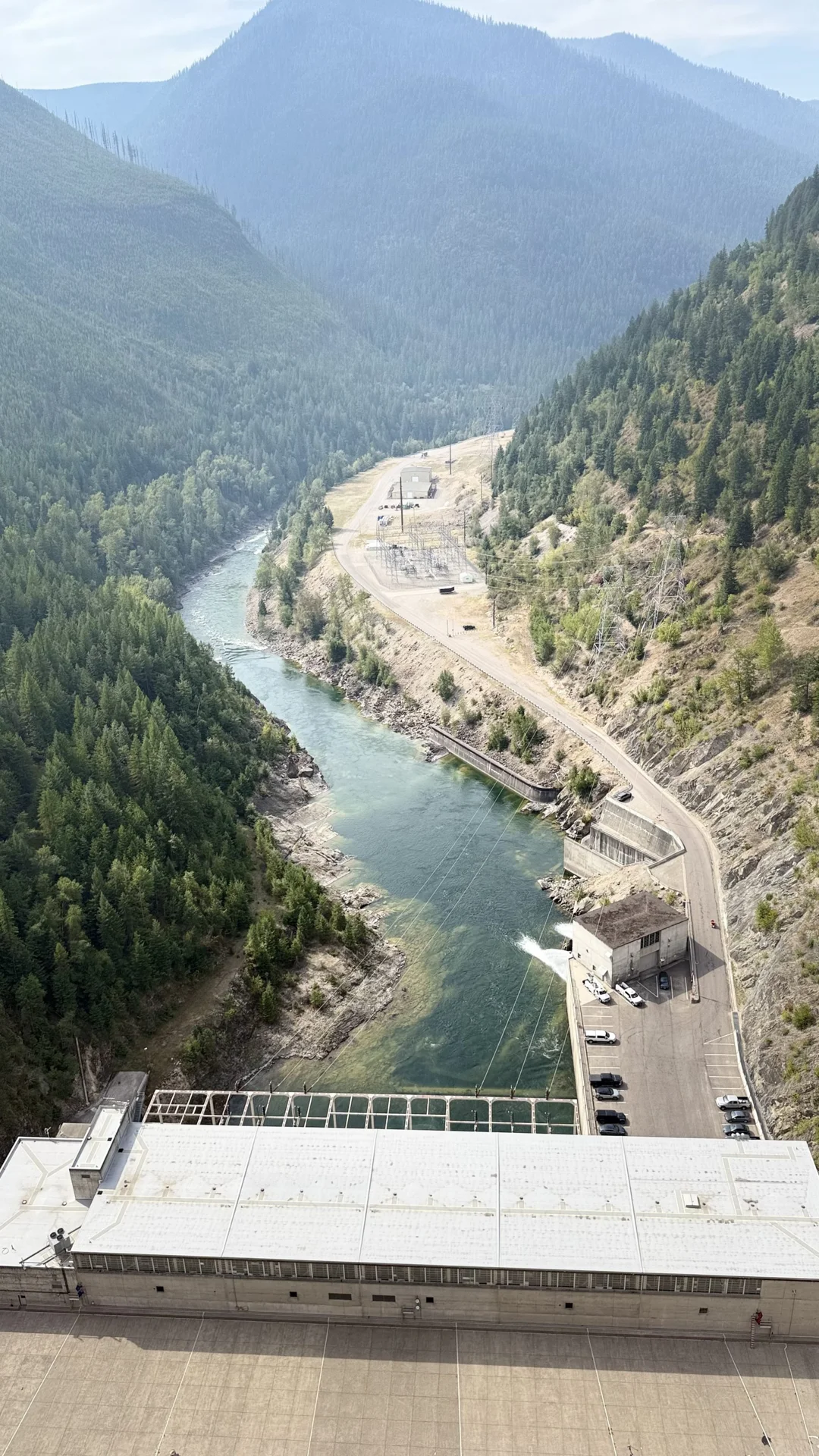
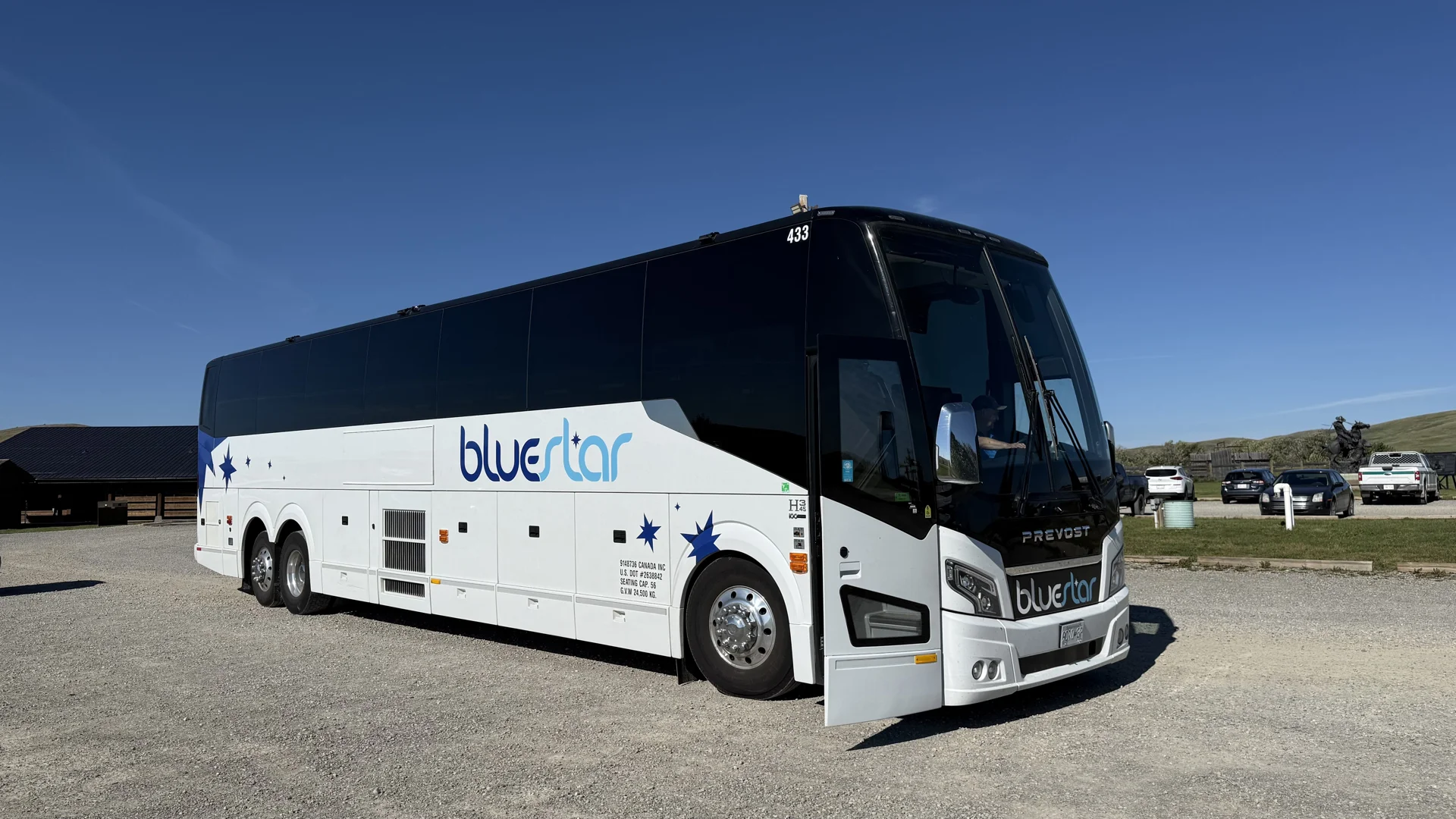
After lunch we regrouped with the motorcoach at Lake McDonald Lodge and pressed on southwest across the Continental Divide — the line where the continent decides which ocean your water is headed to, Atlantic east, Pacific west. Along the way, we passed Hungry Horse Dam: a 564-foot concrete arch with the world’s tallest spillway (490 feet), built in 1953 and named for two horses who beat impossible odds to survive a brutal lost winter. These days it keeps the lights on in Kalispell, Whitefish, and Columbia Falls, and helps manage water all the way down to the Grand Coulee and Bonneville dams.
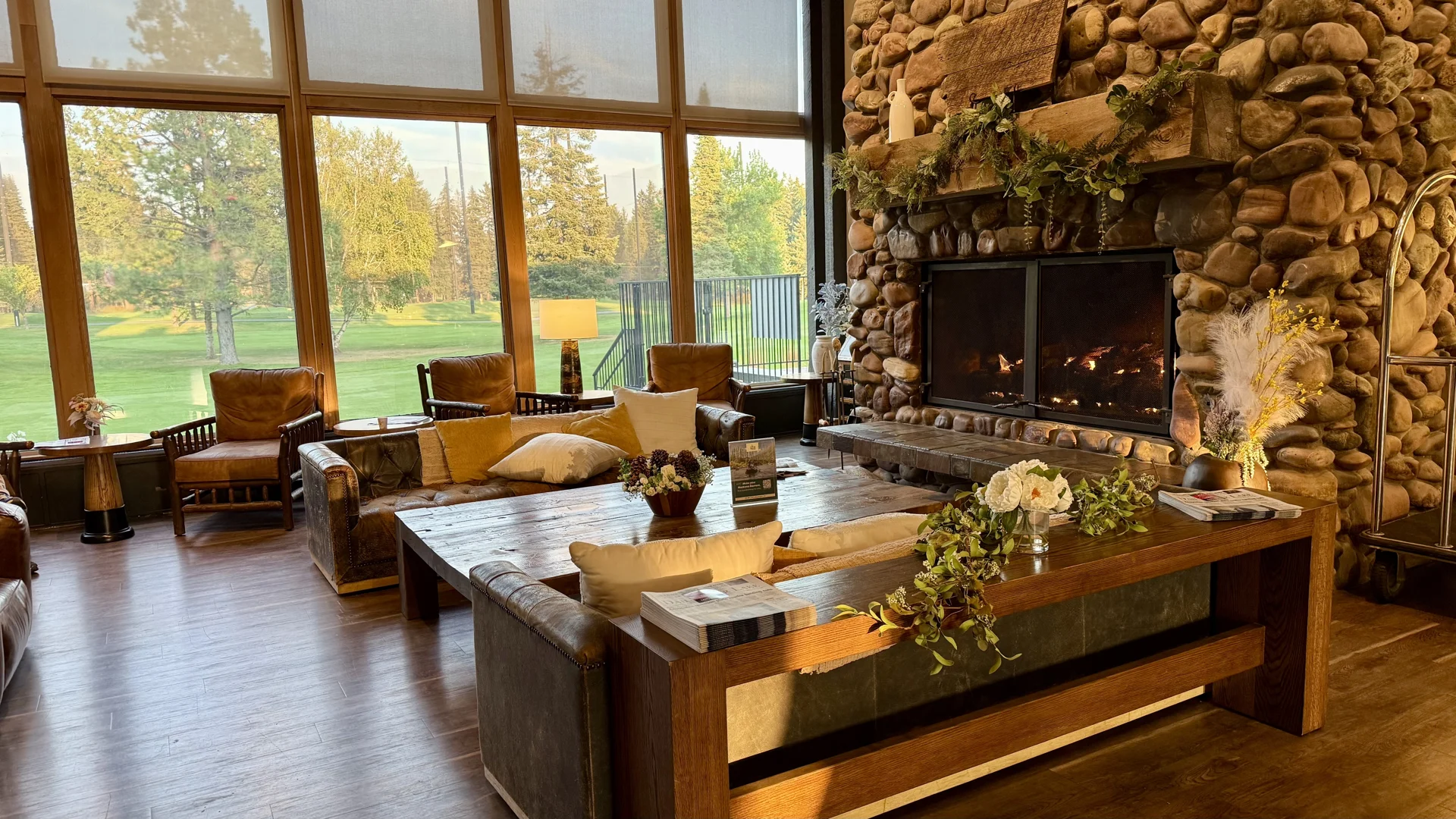
We crested the continental high point and rolled into Whitefish, Montana by late afternoon — still a working railroad town, and gateway to the park and the slopes. Our hotel, Grouse Mountain Lodge, was built in the 1980s to welcome rail passengers making their way to this mountain outpost. A leisurely dinner at the lodge capped off the day.
Glacier National Park
Aug 26, 2026 – Day 3
We kicked off the day with a crash course in all things ice, courtesy of Dr. Maria Banks — what glaciers are, how they’re born, and how these slow-motion giants carve their way across the land. We got schooled on the landforms they leave behind (U-shaped valleys, arêtes and horns, hanging valleys, moraines — turns out glaciers are prolific sculptors) and learned the secret behind those impossibly turquoise lakes: rock flour, suspended in the water, scattering light like tiny prisms. We left with a new mission — spend the rest of the trip as geology detectives, reading the landscape for clues the ice left behind.
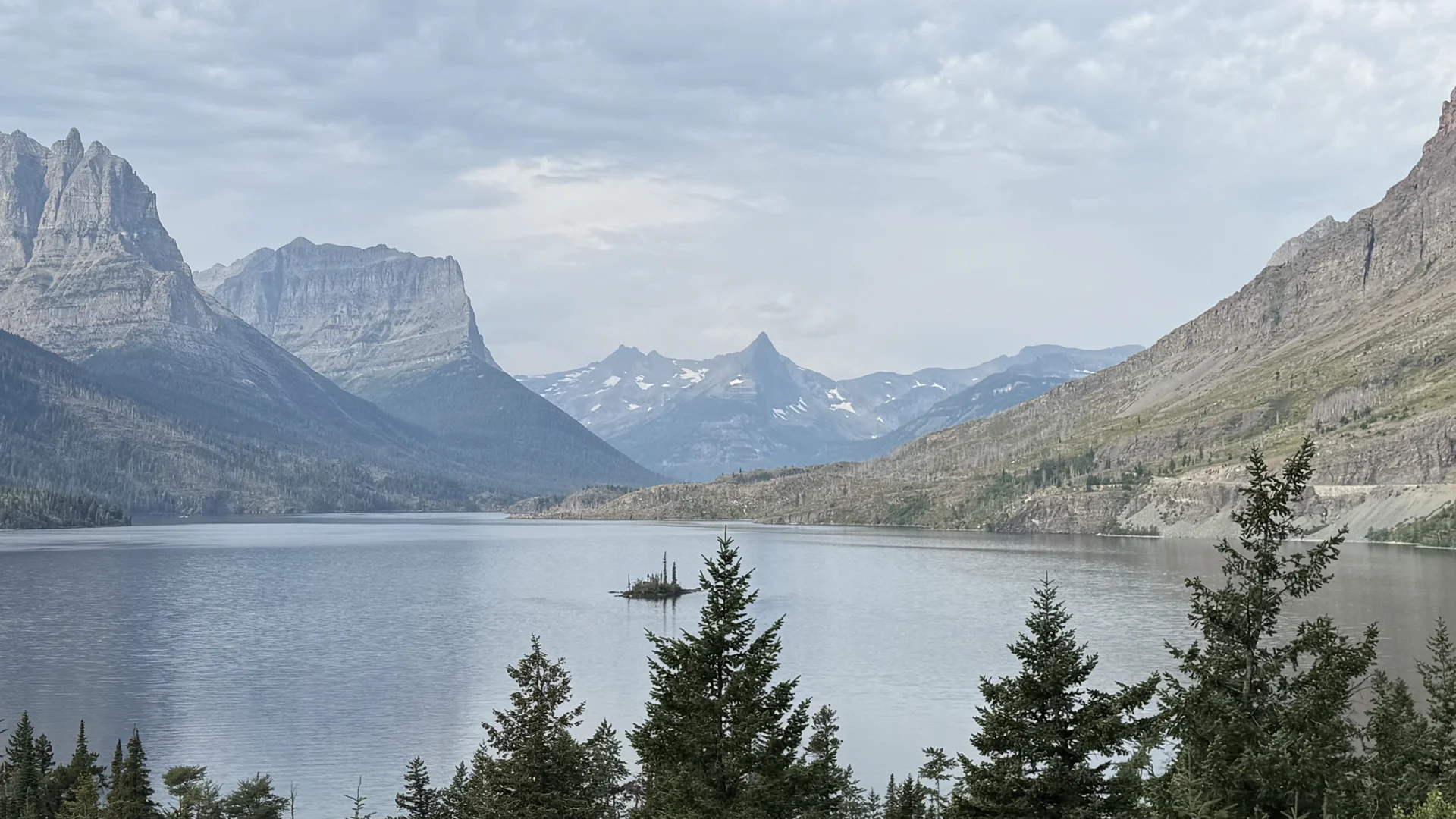
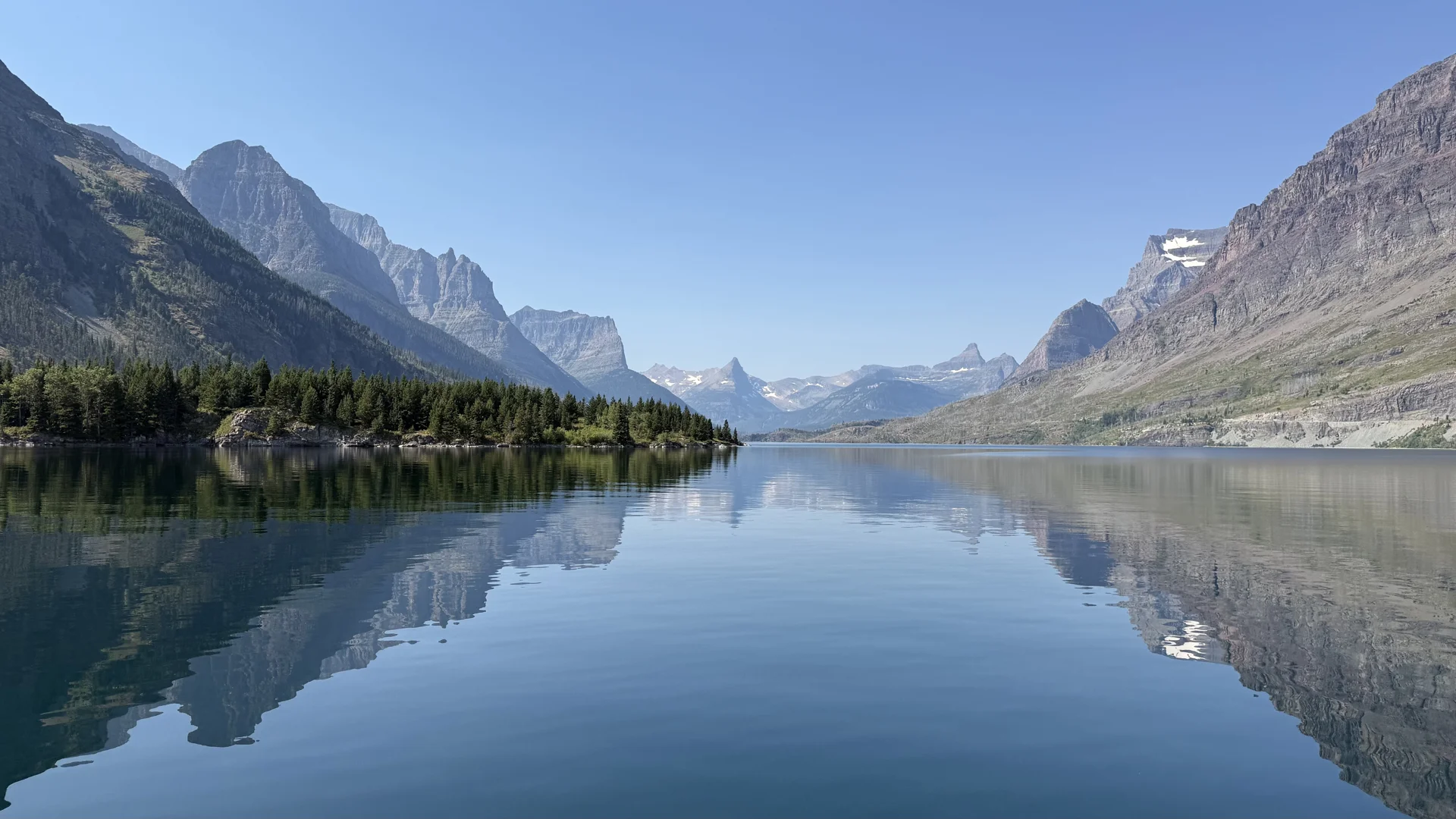
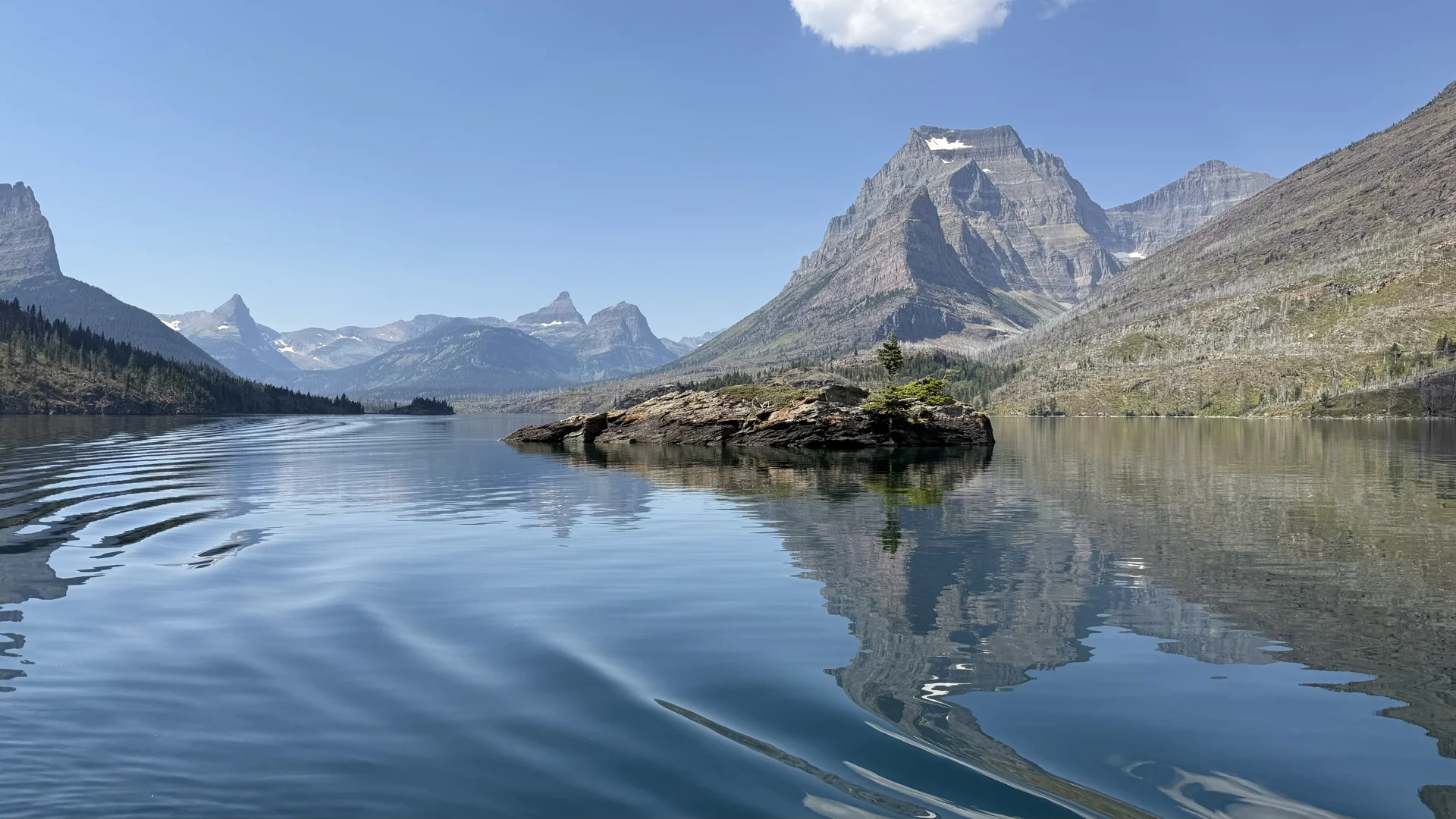
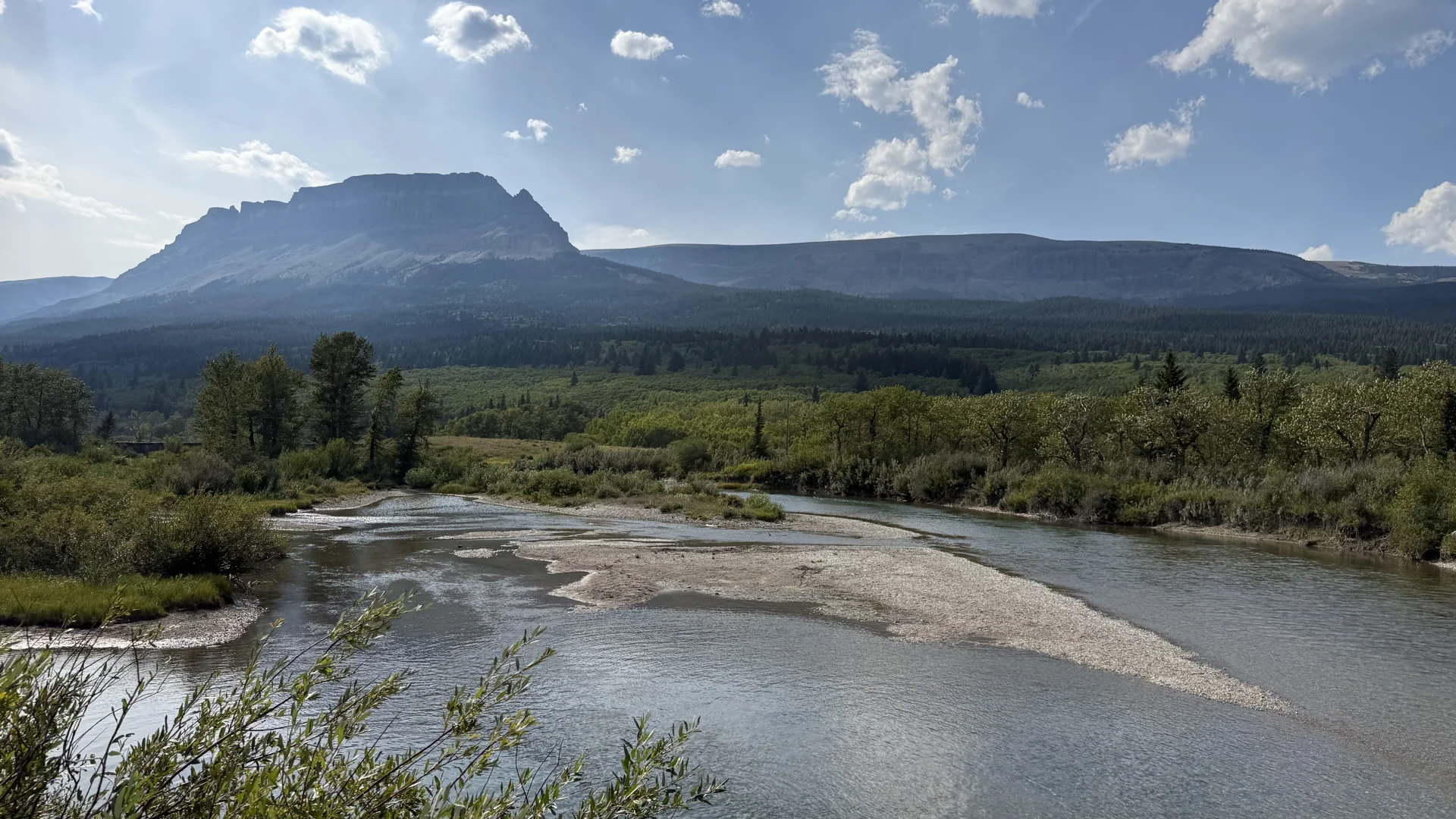
Mission started early: we hopped on the St. Mary Lake cruise, gliding across one of Glacier’s largest and most scenic lakes, fed by meltwater from the peaks above. Going-to-the-Sun Road traces its northern shore, serving up some of the park’s most photographed views — especially of tiny Wild Goose Island. The road itself is an engineering flex: the only route crossing the park, topping out at 6,646 feet at Logan Pass, it took laborers nearly 20 years to carve into the mountainside before finally opening to cars in 1932. Long before any road existed, though, this land was — and remains — the territory of the Blackfeet Nation, for whom these mountains hold deep spiritual and cultural significance.
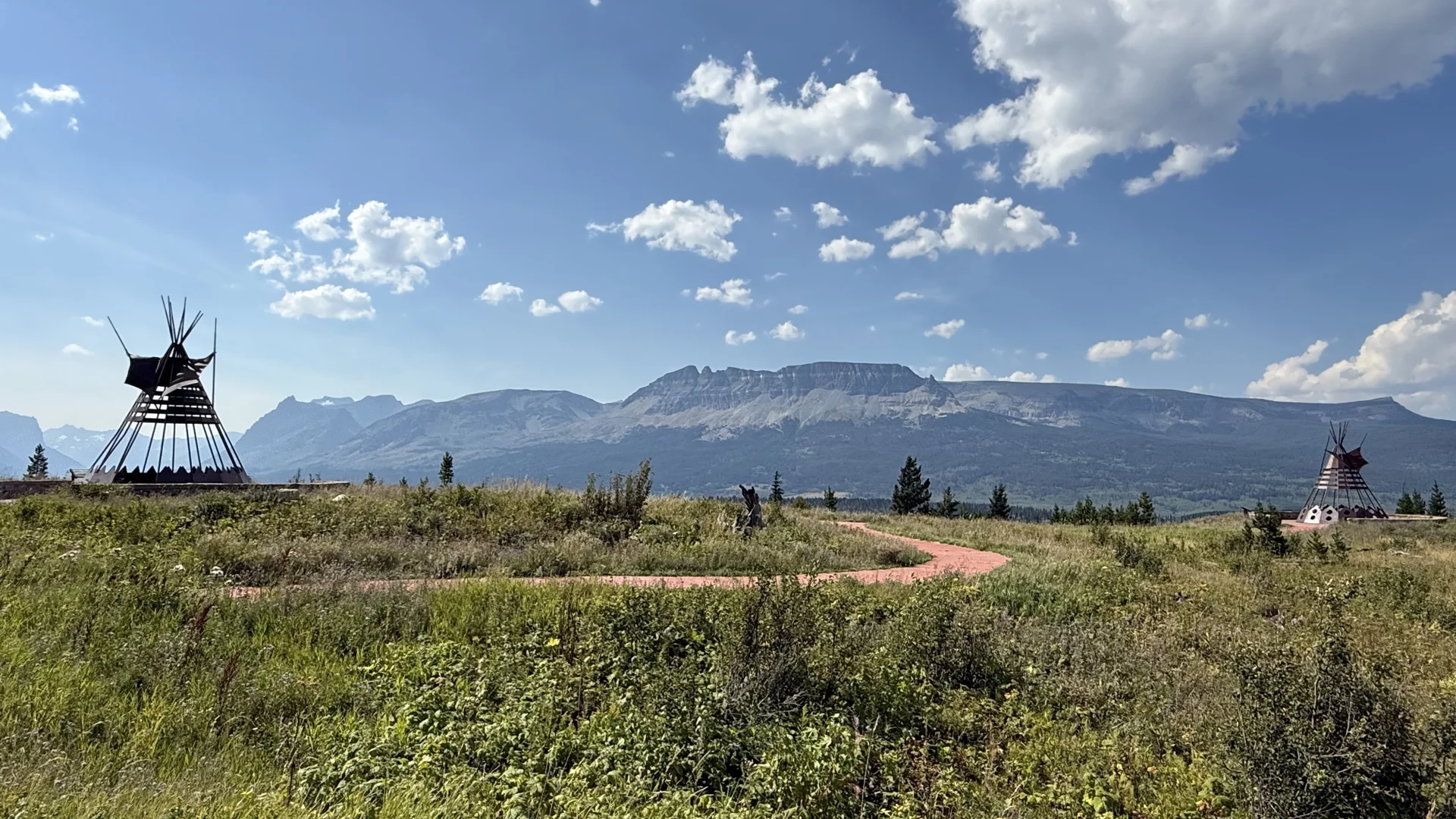
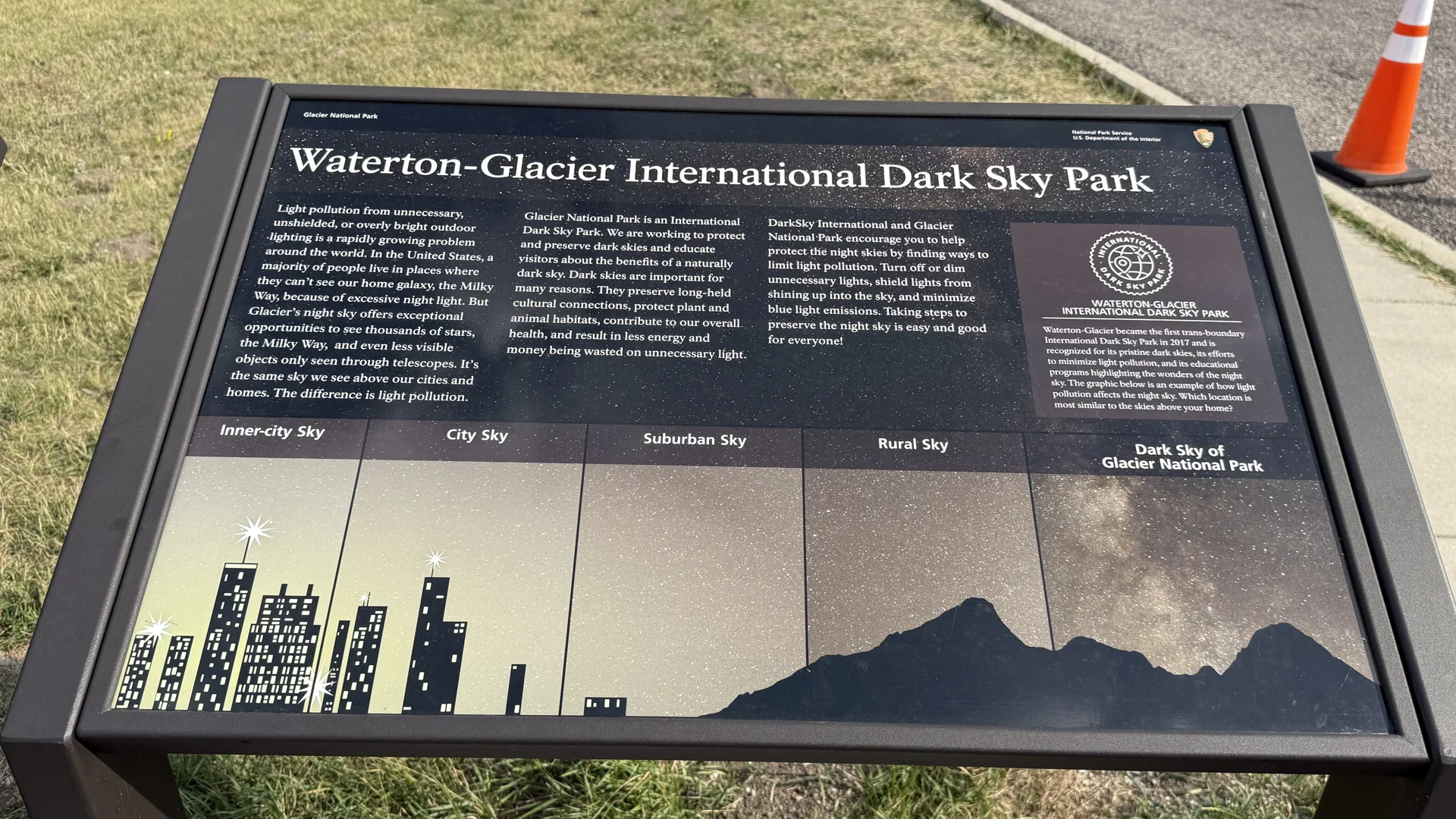
Back to St. Mary for a quick refuel before heading out to the Iron Teepee installation, hiking another 1.7 miles with our guide Darcie. Highlight of the trail: an osprey feeding fish to its chick in a nest built higher than the high-voltage line — that tiny, demanding whine left no doubt about how hungry that baby was! We’d hoped to cap the night with Dusty Star Observatory, but the clouds rolled in during dinner and stole the show.
Waterton Lakes National Park/Glacier National Park, Montana, U.S.
Aug 25, 2026 – Day 2
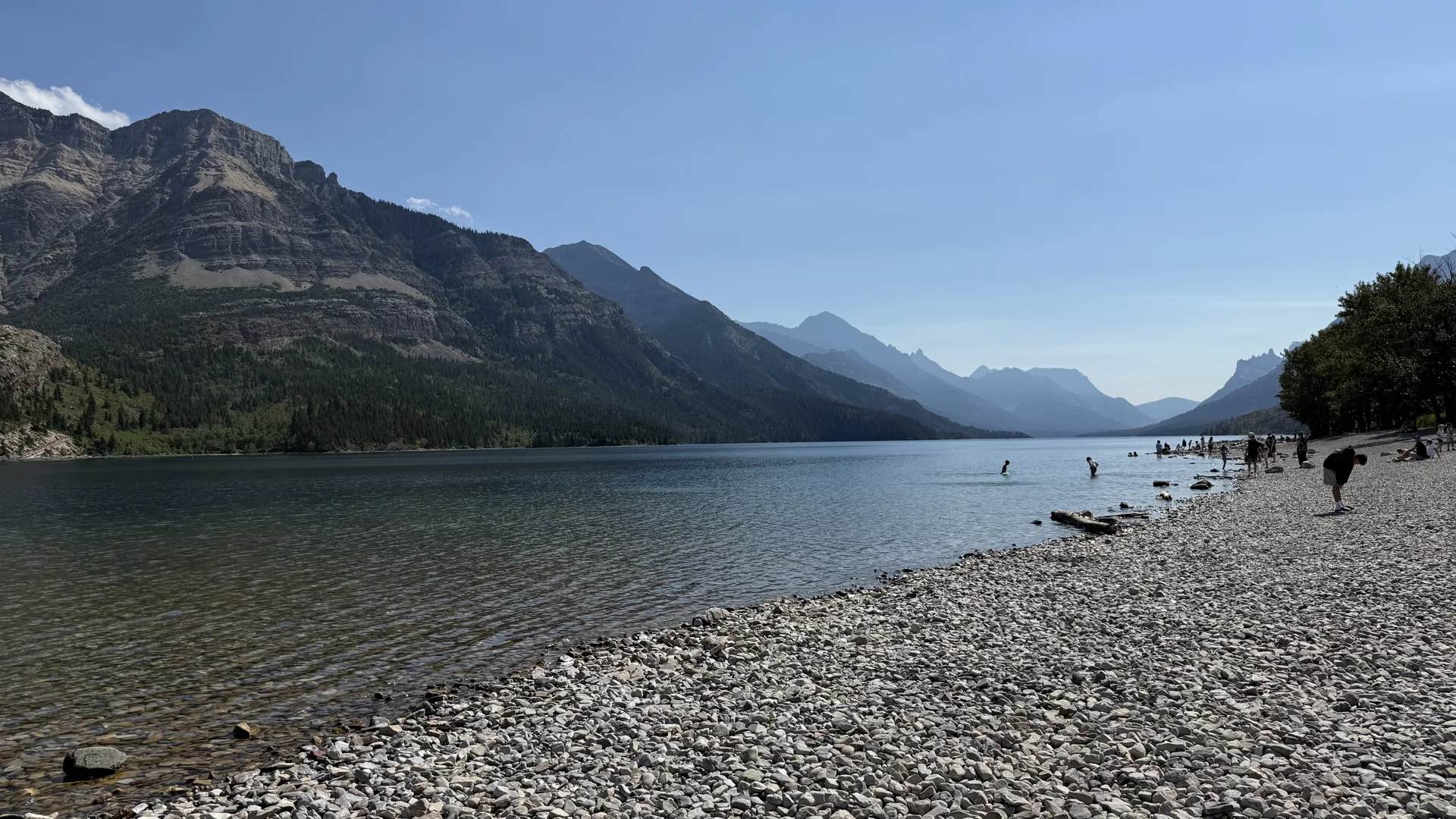
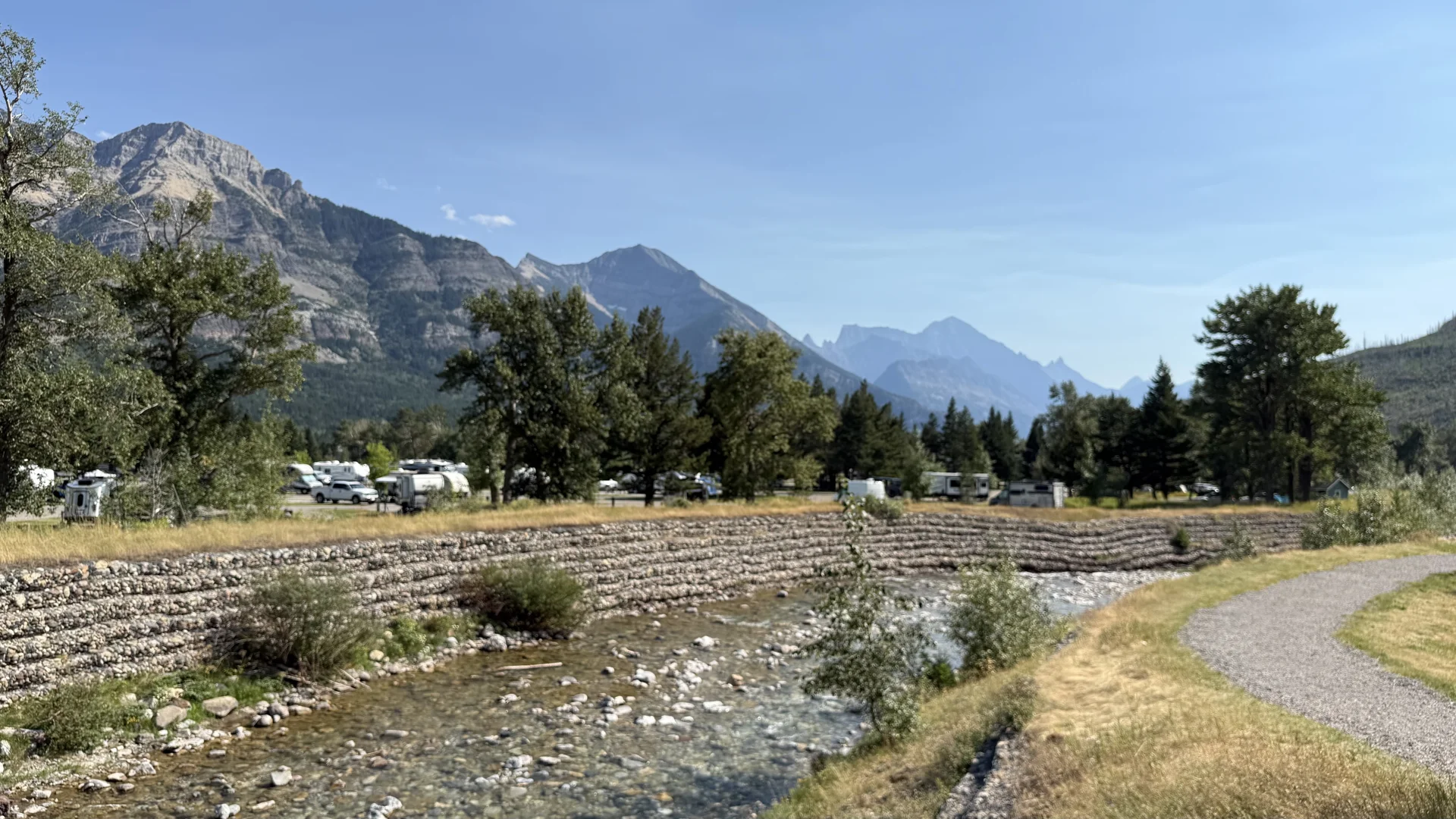
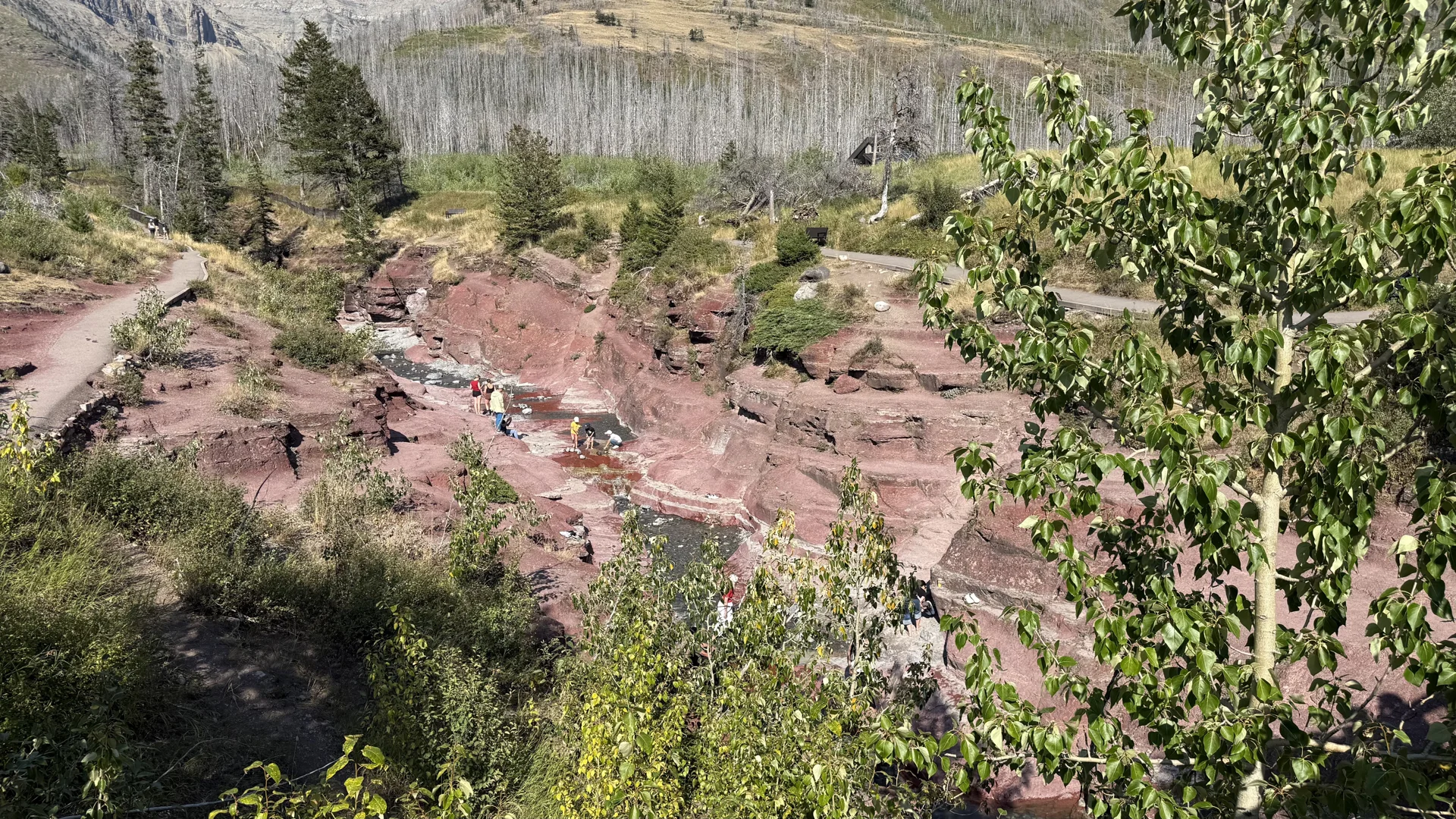
We traveled straight south to Waterton National Park before crossing into Montana. Along the way, we reflected on the travellers who came before us — the Aboriginal peoples and early explorers who also experienced Waterton’s mountains and prairie, its red and green rock, its wildlife, wind, and water. We owe it to them, and to those who come after us, to protect this special place.
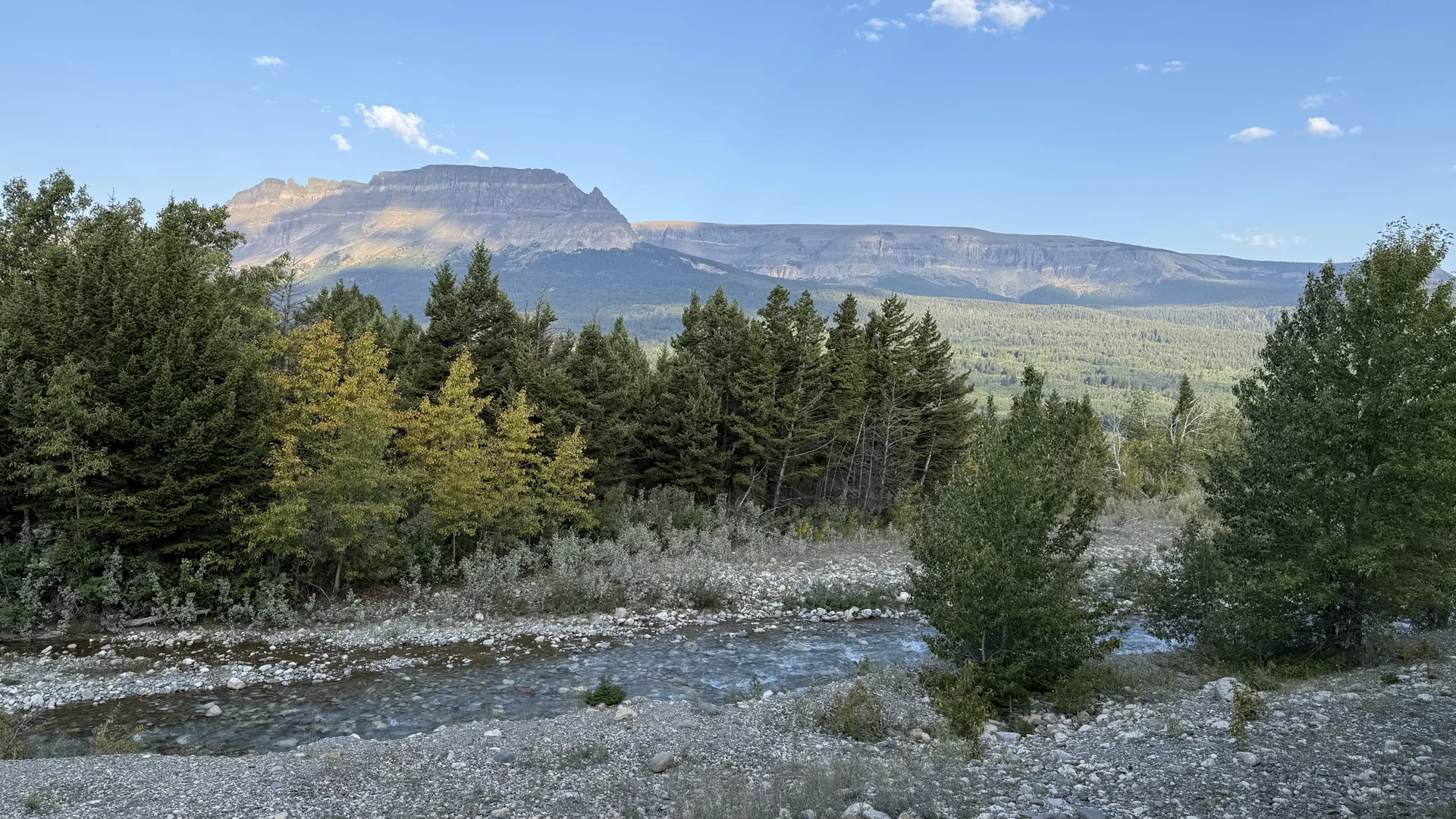
We stayed at St. Mary, a Park Lodge–style hotel originally built by the Black family for the traffic that began flowing over Going-to-the-Sun Road when it opened in 1932. Expanded gradually over the decades, it now belongs to Glacier Park. A babbling brook runs behind the lodge, and you can sit on your room’s balcony or deck and watch it wind blissfully on its way to the sea.