Aug 29, 2026 – Day 6
Our day kicked off with another lecture from Dr. Maria Banks — this time on the geology of Banff and Jasper, tracing 600 million years of history from ancient seabed to thrust-faulted mountains to glacier-carved valleys. (Fun fact: the famous Burgess Shale, discovered nearby in 1909, preserves some of the best-ever fossils of early soft-bodied life — over 65,000 specimens now sit in the Smithsonian’s collection.)
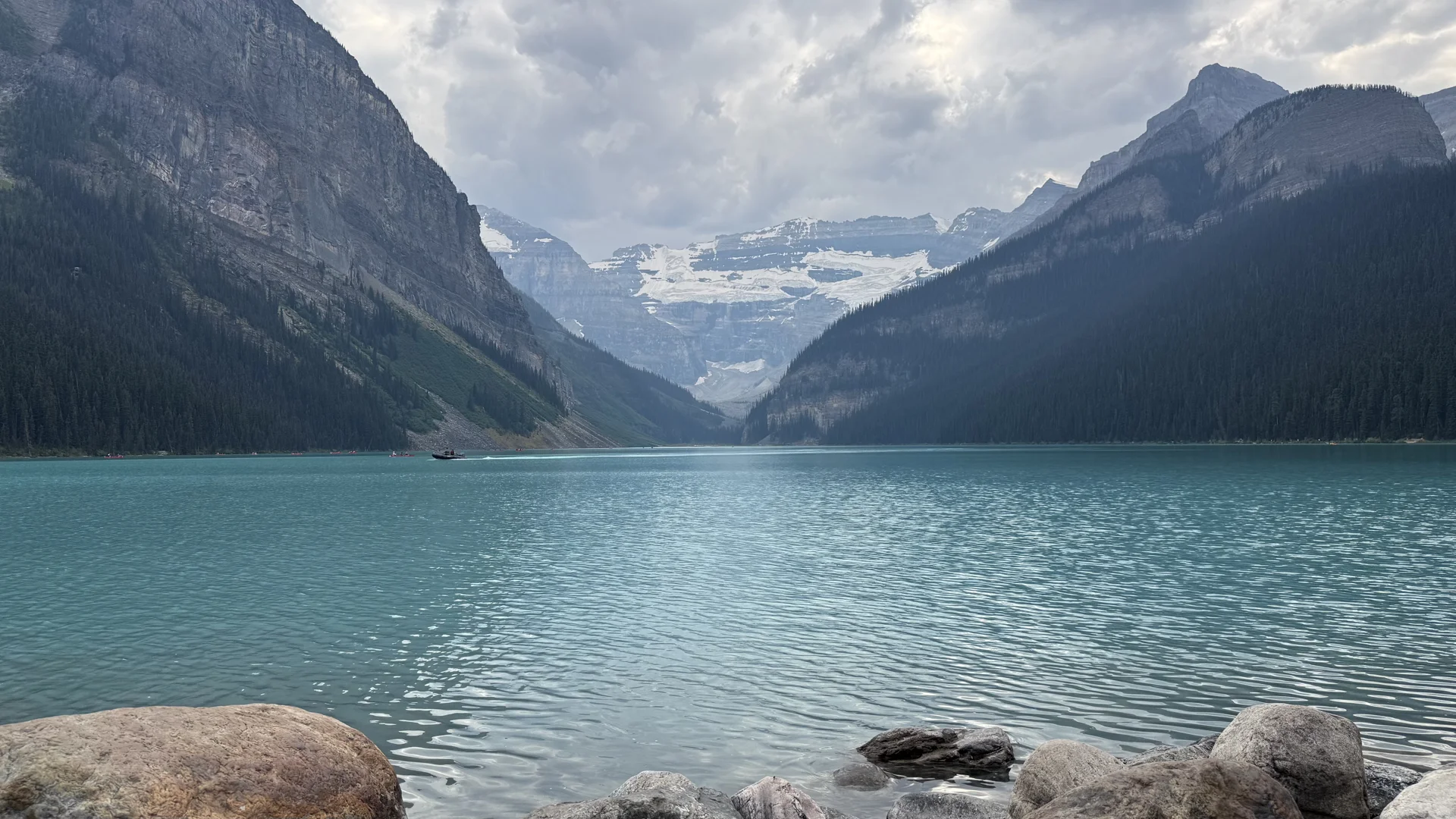
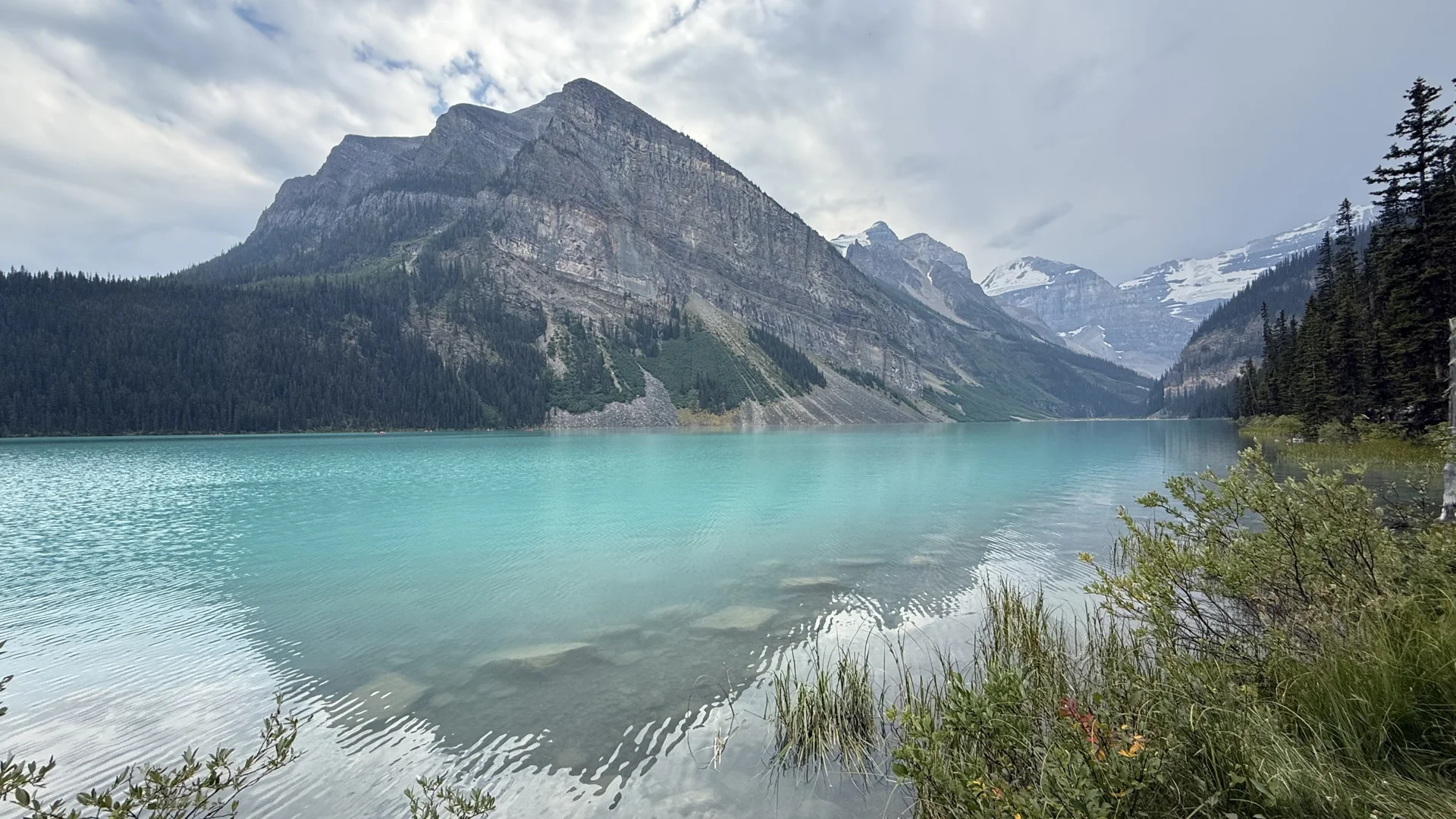
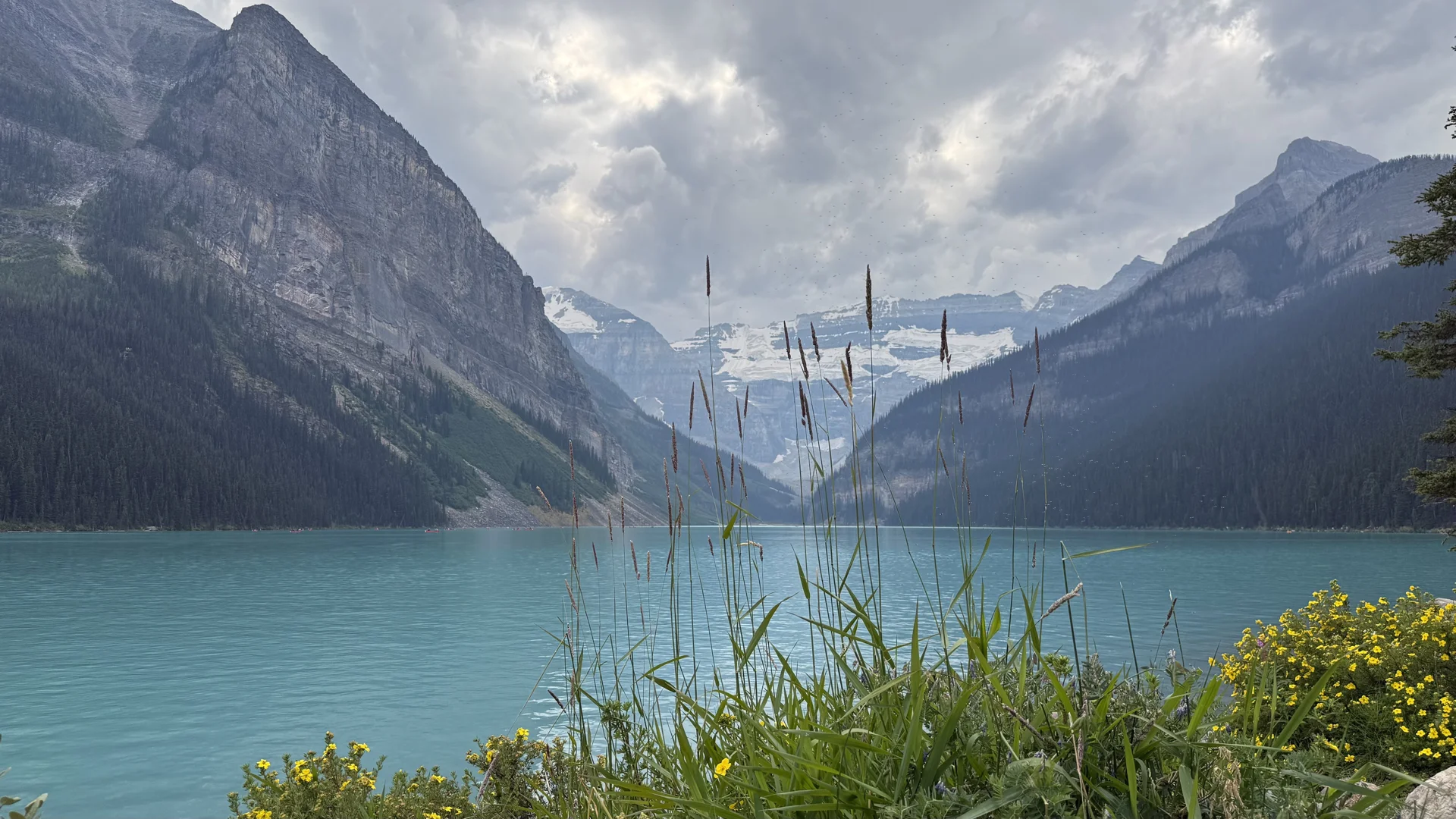
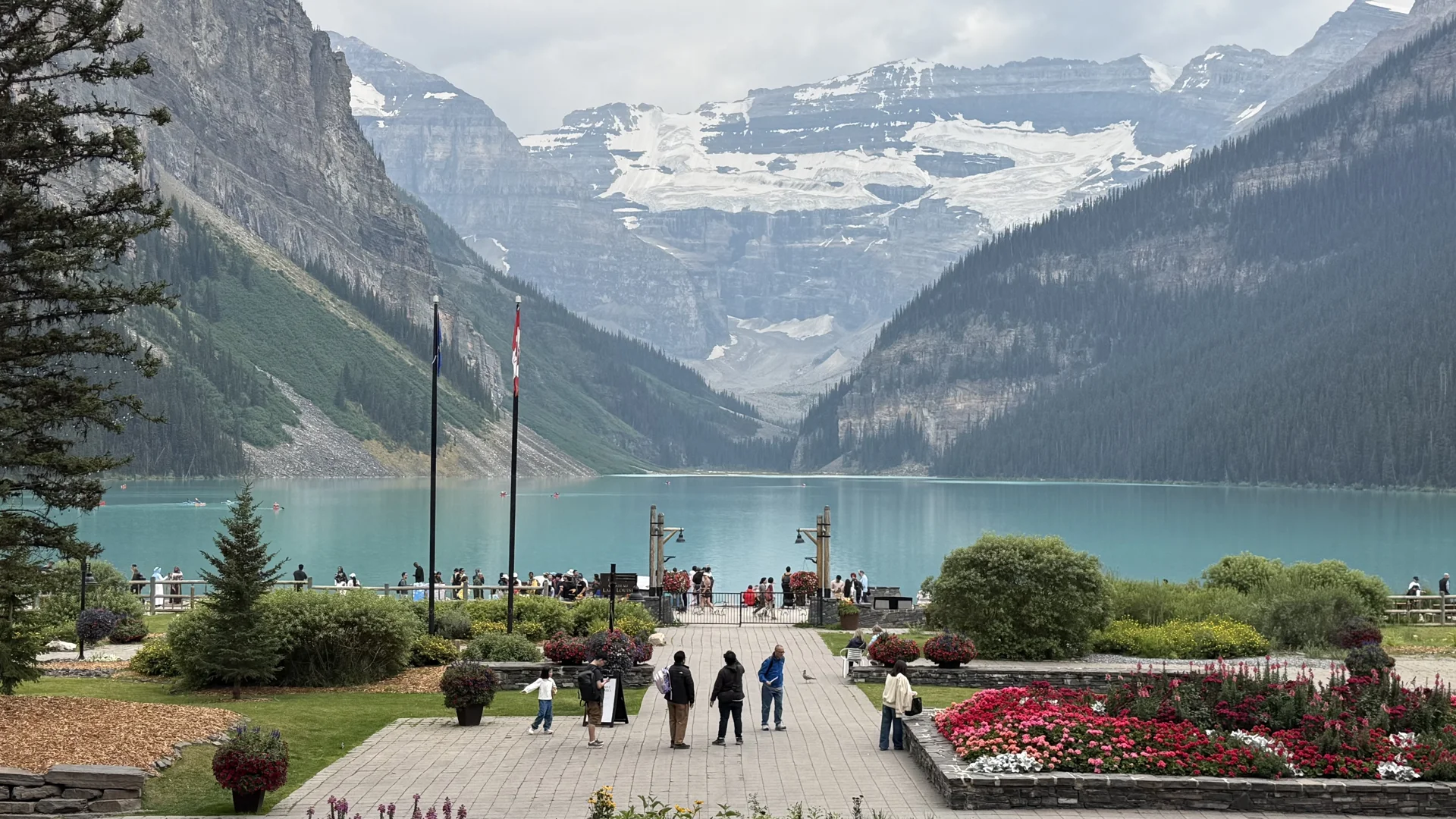
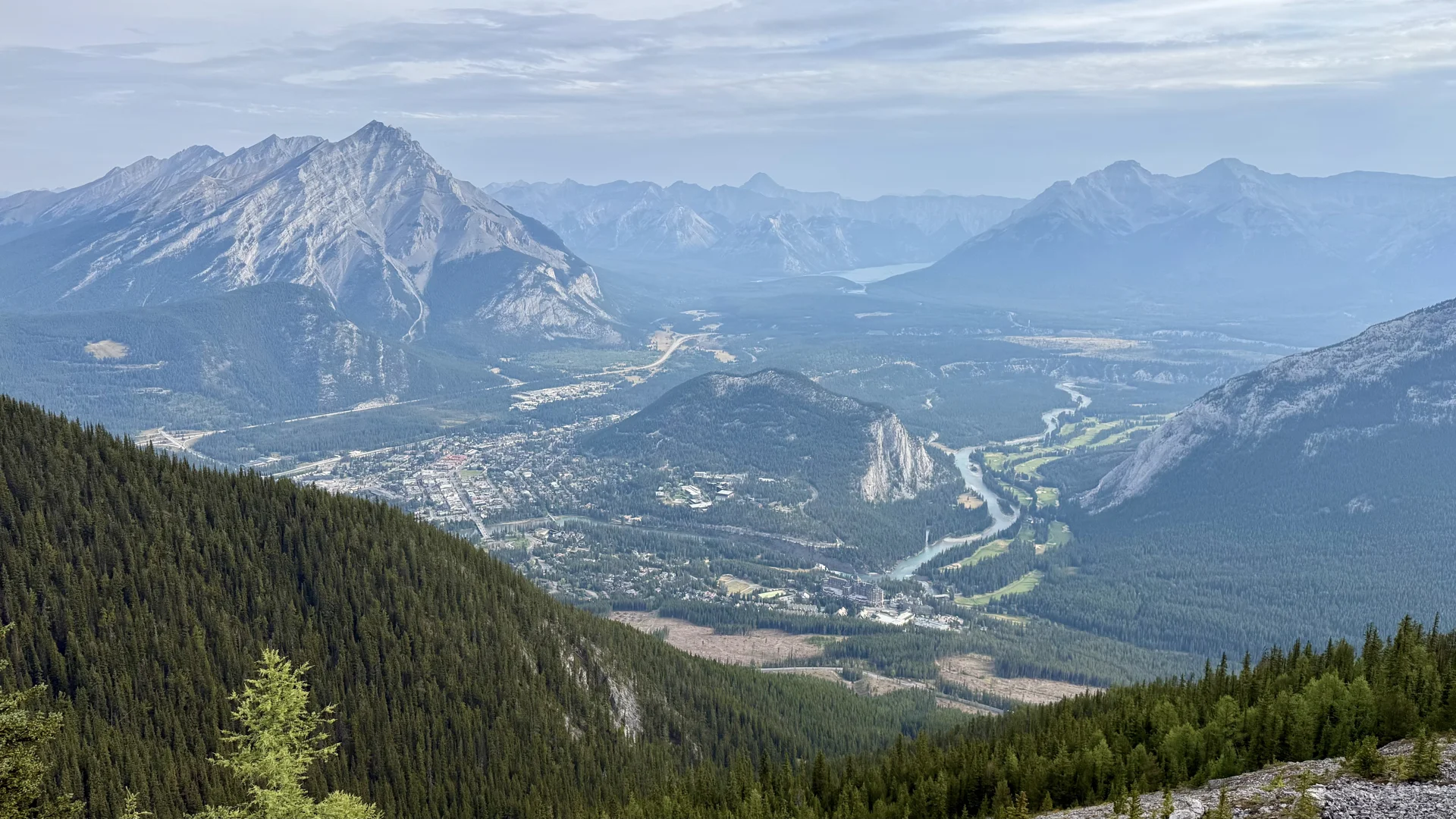
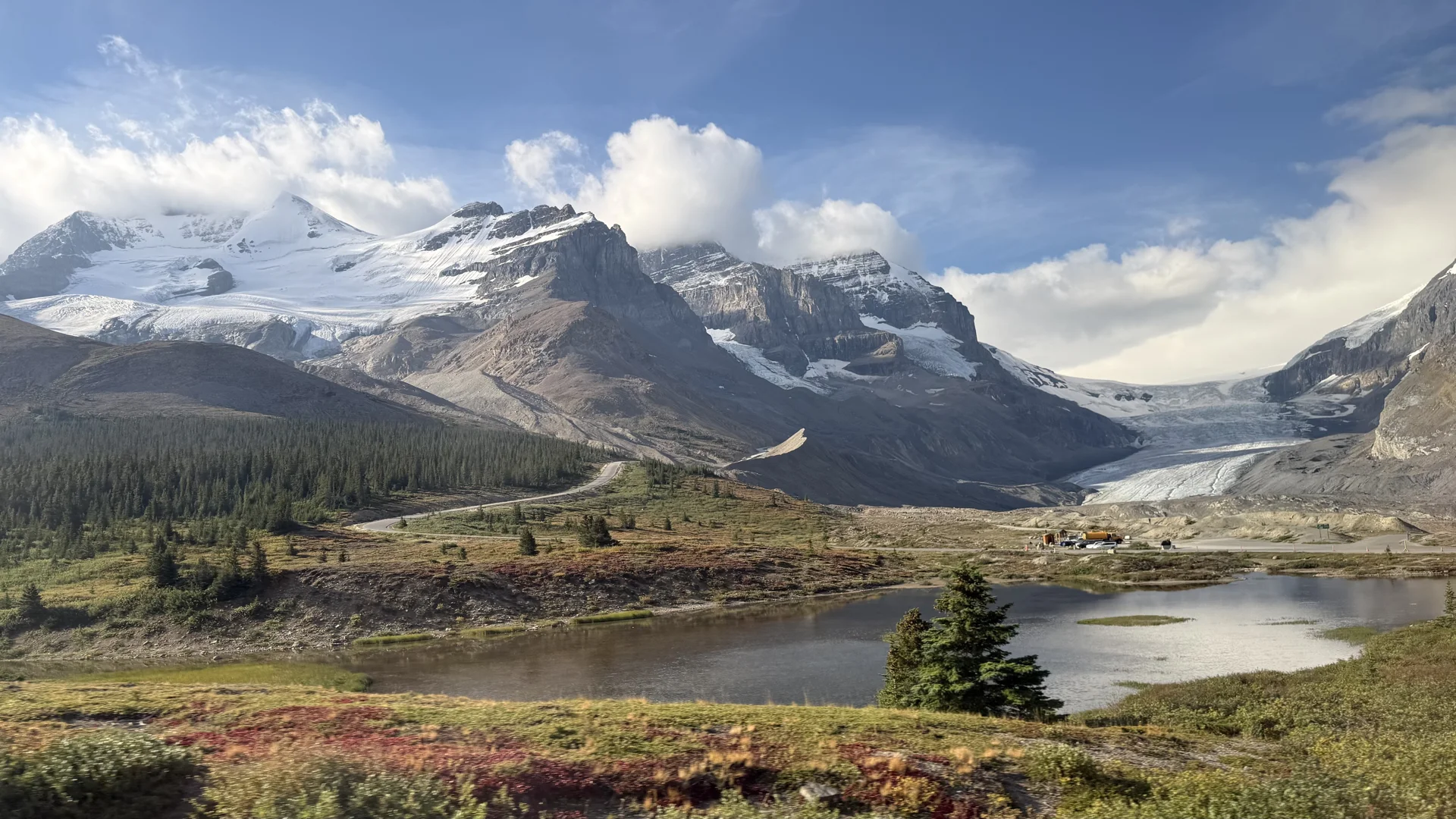
She spent extra time on Banff itself: the accessible Front Ranges (Cascade Mountain, Mount Rundle), the Bow, Sawback, and Vermilion Ranges along the Continental Divide, and the Valley of the Ten Peaks near Moraine Lake. The highlight was Lake Louise — formed when the retreating Victoria Glacier dammed meltwater behind a terminal moraine. She traced the rock layers above it, from the Cathedral and Stephen Formations up to the Eldon Formation — dolomite, limestone, and shale laid down in Cambrian seas long before any glacier existed. That whole glacial landscape is the product of nearly 2 million years of ice repeatedly advancing and retreating, leaving only the highest peaks poking through at its max extent.
After lunch and a scenic drive along the Canadian Rockies’ western edge, we rolled into world-famous Banff National Park and got to see it all in person. Just a mile long and half as wide (2.4 km by 1.2 km, 70 meters deep), Lake Louise punches way above its weight — its aquamarine color comes from rock flour, fine glacial sediment suspended in the meltwater, which is also why it was originally called Emerald Lake. We wandered the lakefront for our first postcard-worthy glimpse, then David and I snuck in a quick peek at the iconic Fairmont facing the lake — the hotel we’d hoped to stay at. Smithsonian Journeys booked us into Lake Louise Inn instead: acceptable, not spectacular, but hey, we still got our Fairmont moment.