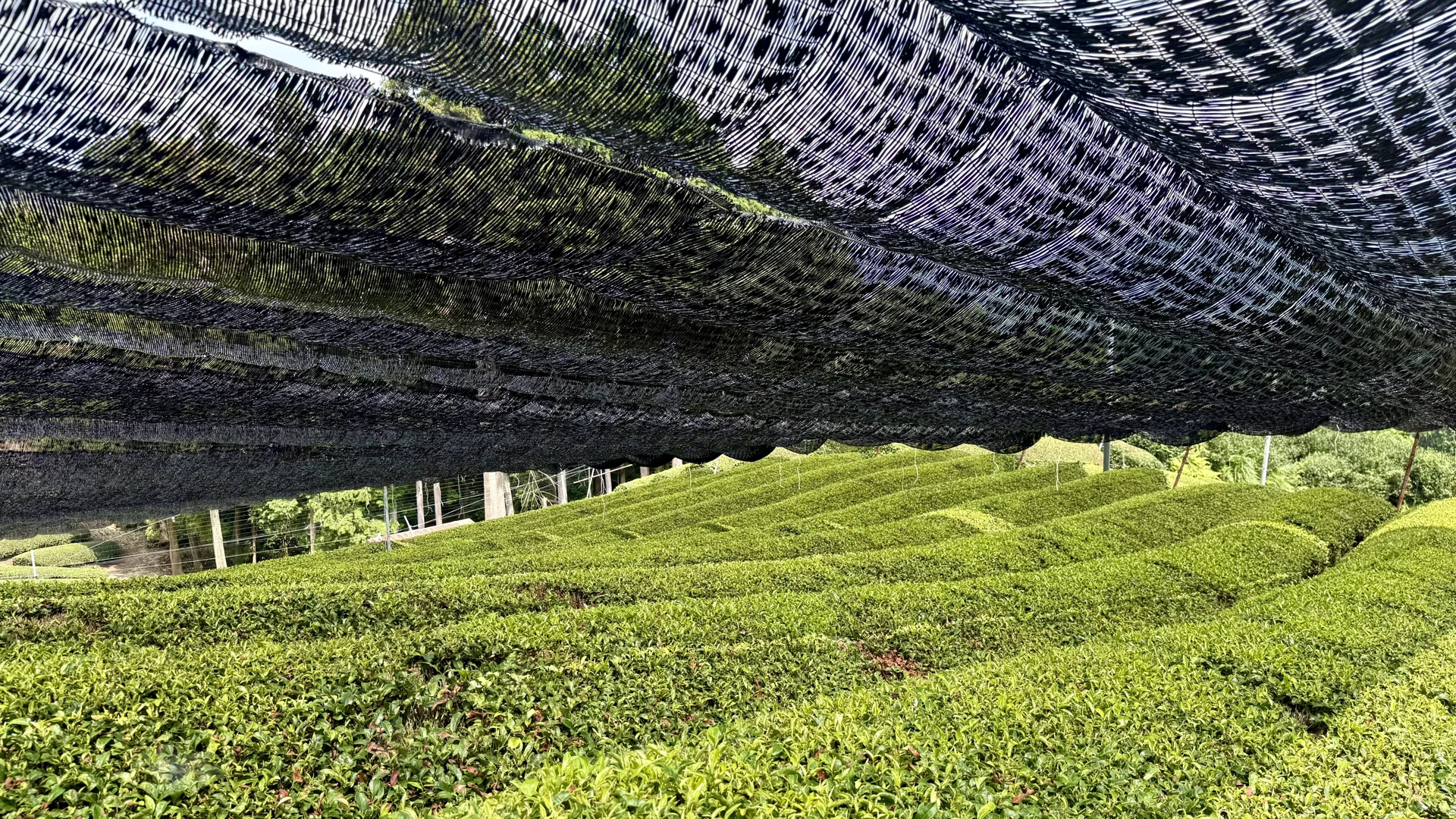
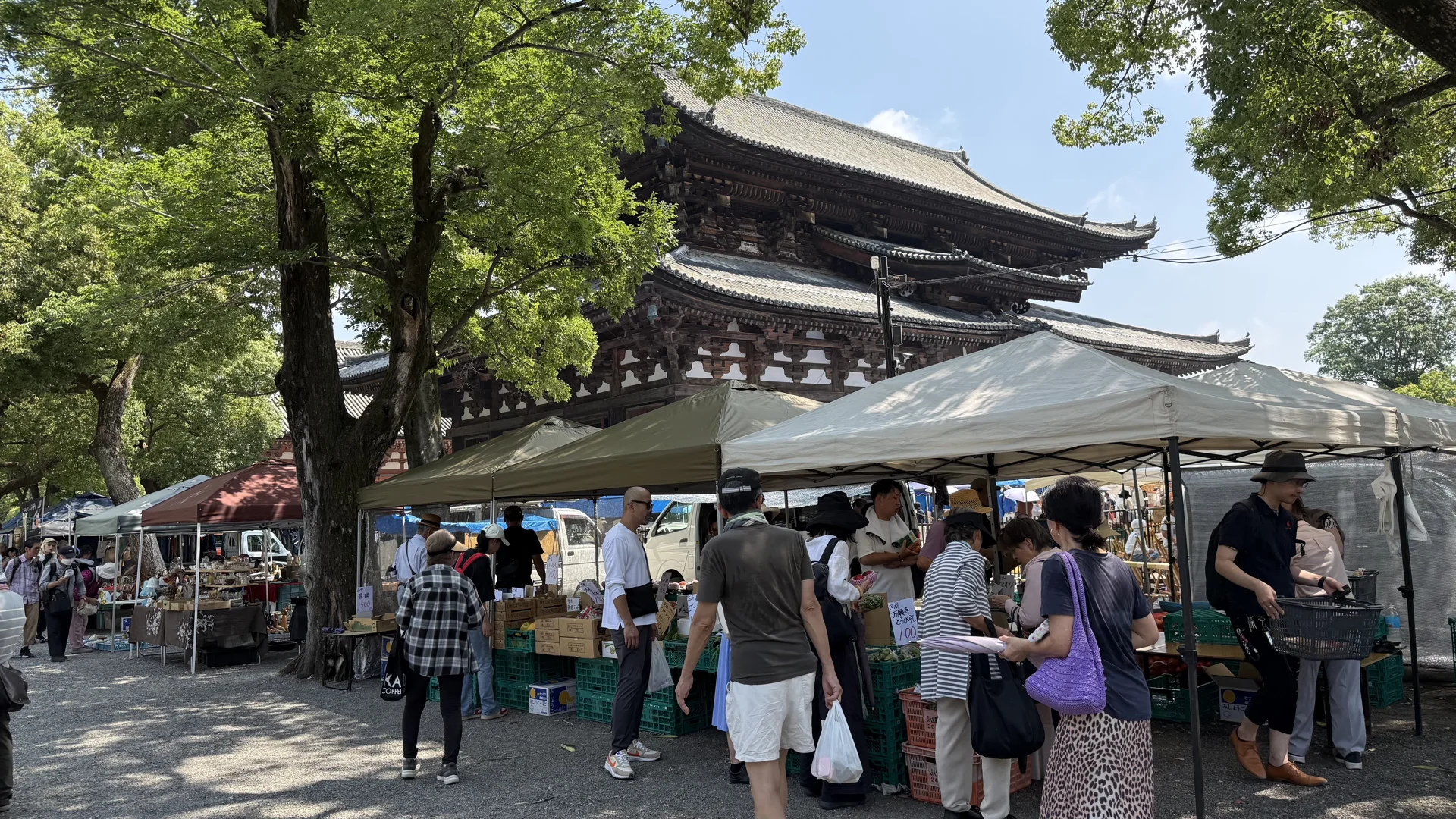
July 20, 2026: Our most educational day yet — four tours and a headful of wisdom from our guide Miji. Fun fact: Japan has 80,000 shrines and 82,000 temples, more than its 55,000 convenience stores. As Miji put it, “we’re born Shinto, we die Buddhist” — Shinto reveres nature, and in a Japanese garden, stone is bone, trees are skin, water is blood. Kyoto’s claim to fame: sake, kimono, and ceramics (though I’d throw in tea and matcha too). He also introduced us to wabi-sabi — the art of finding beauty in imperfection and impermanence, the opposite of Western polish-and-symmetry. Wabi prizes the humble and imperfect; sabi celebrates the quiet dignity of things worn by time.
The day’s stops:
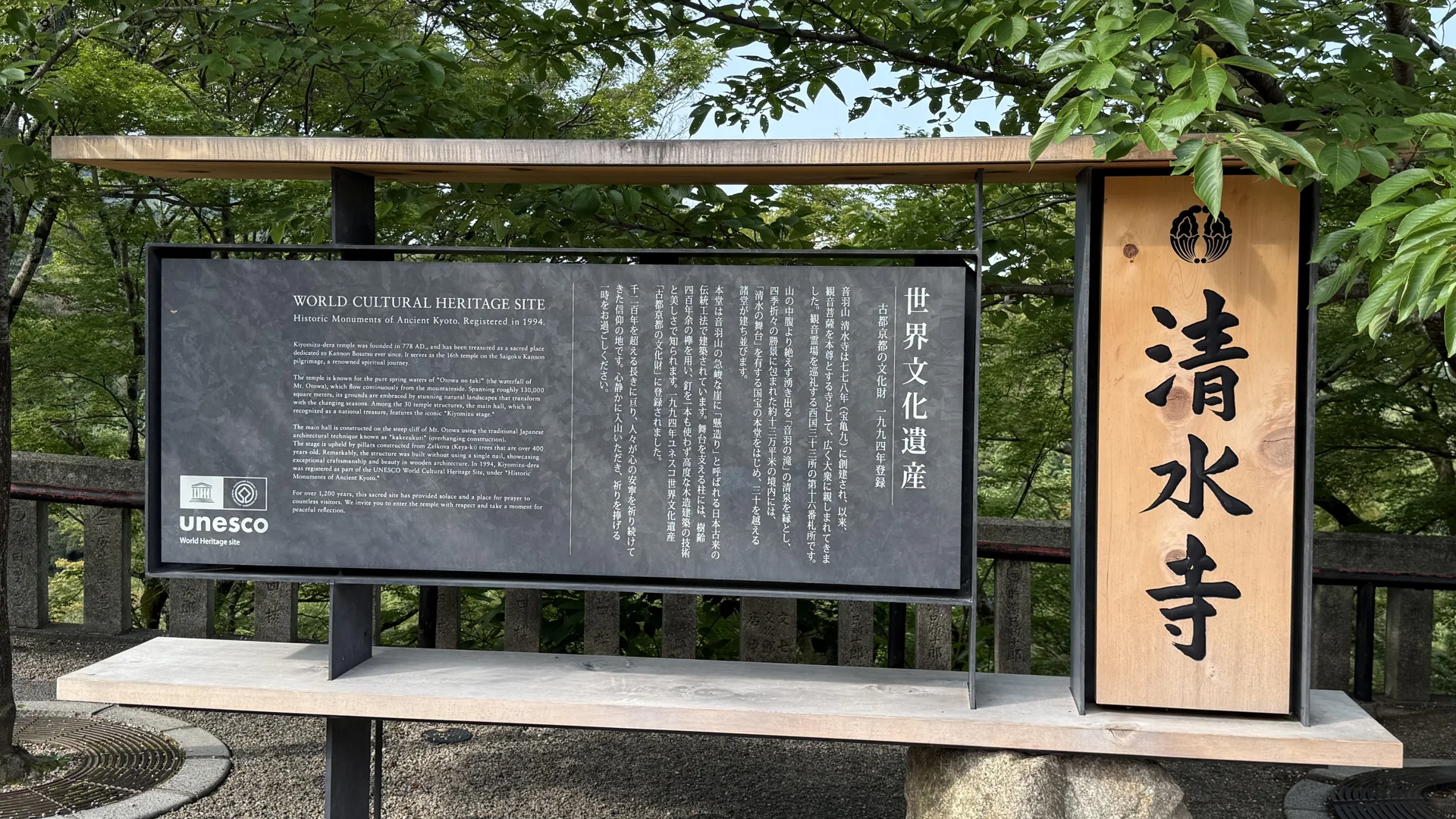
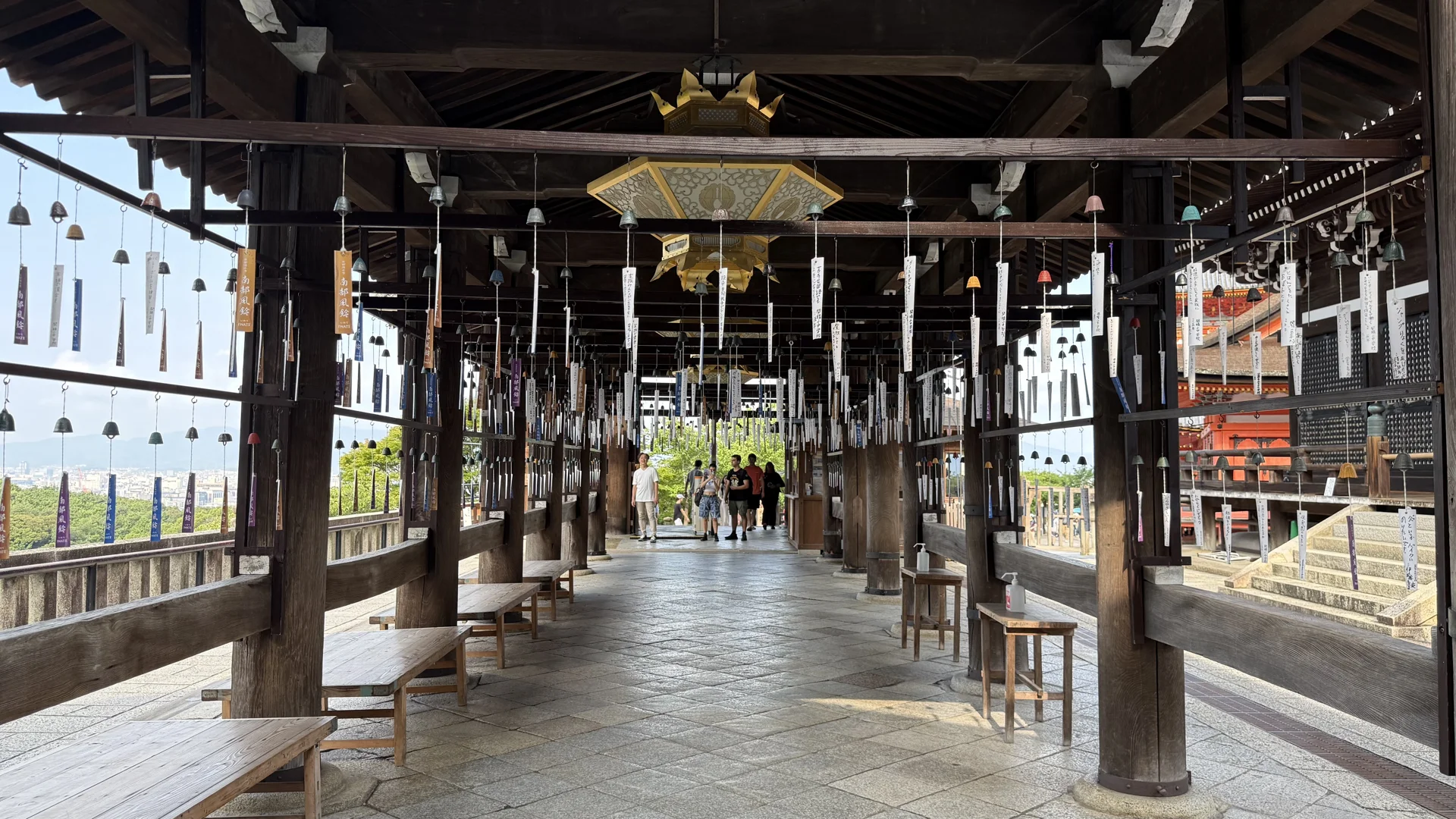
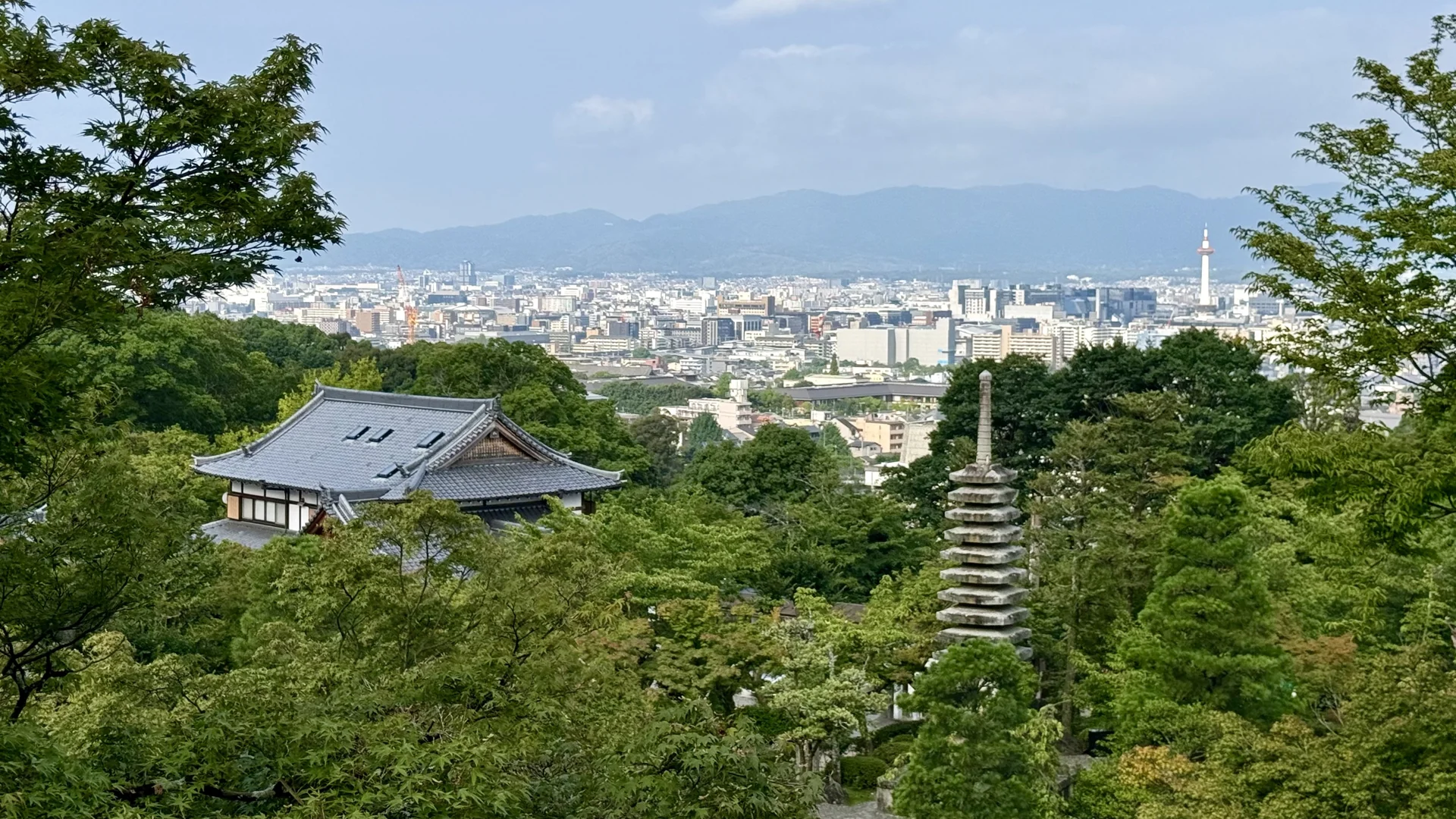
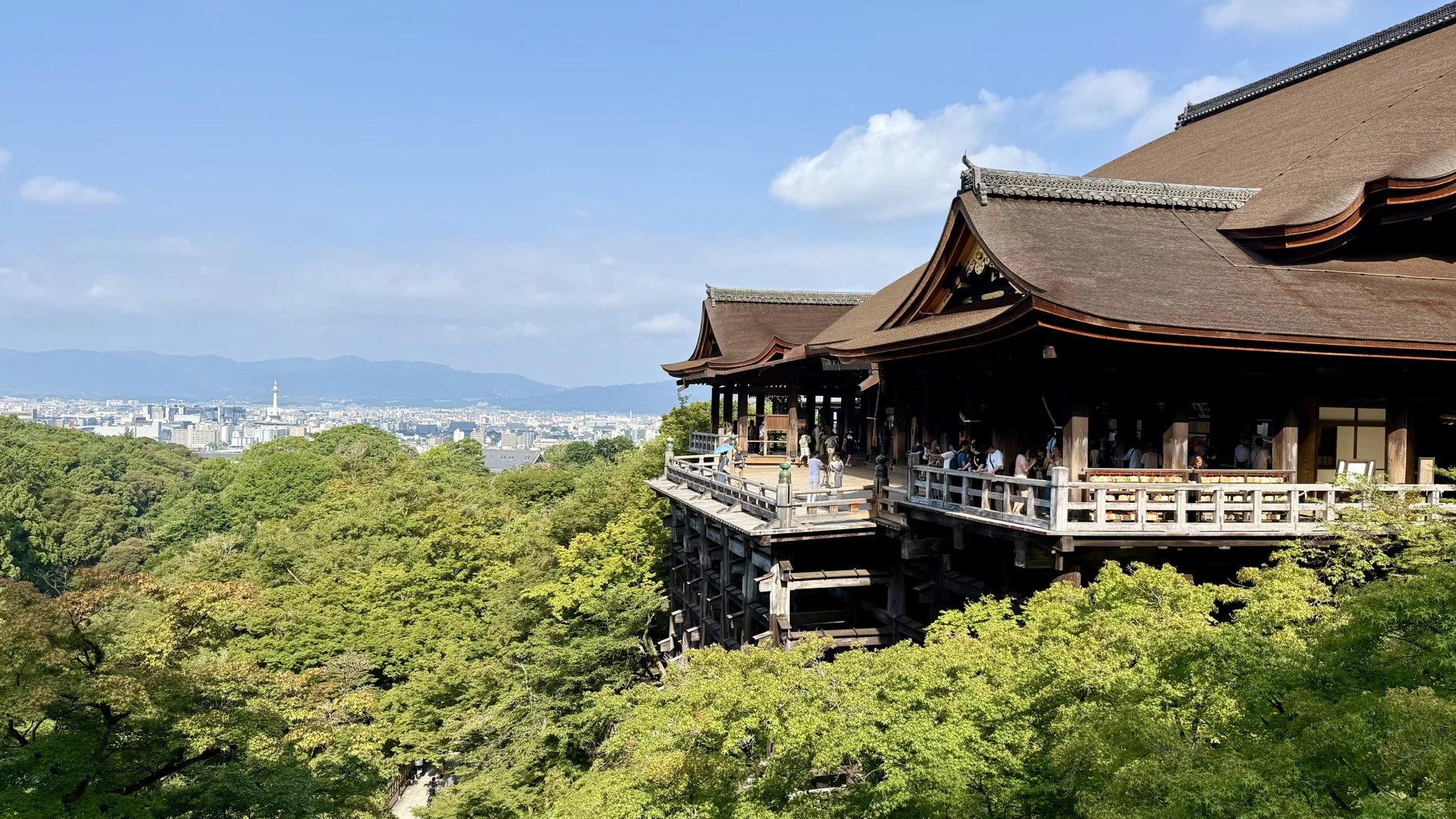
Kiyomizu-dera — a UNESCO World Heritage Site and arguably Kyoto’s most iconic temple
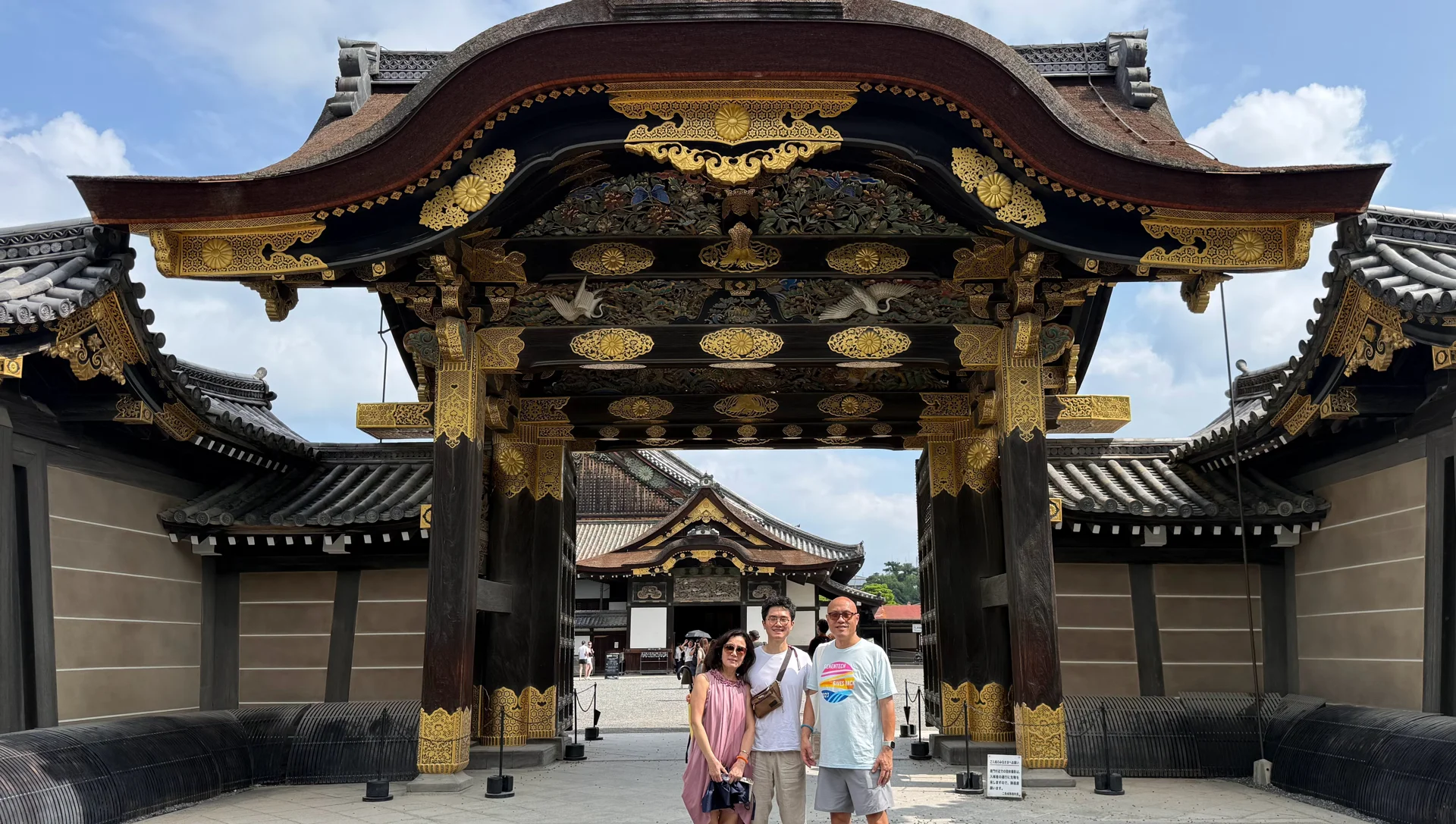
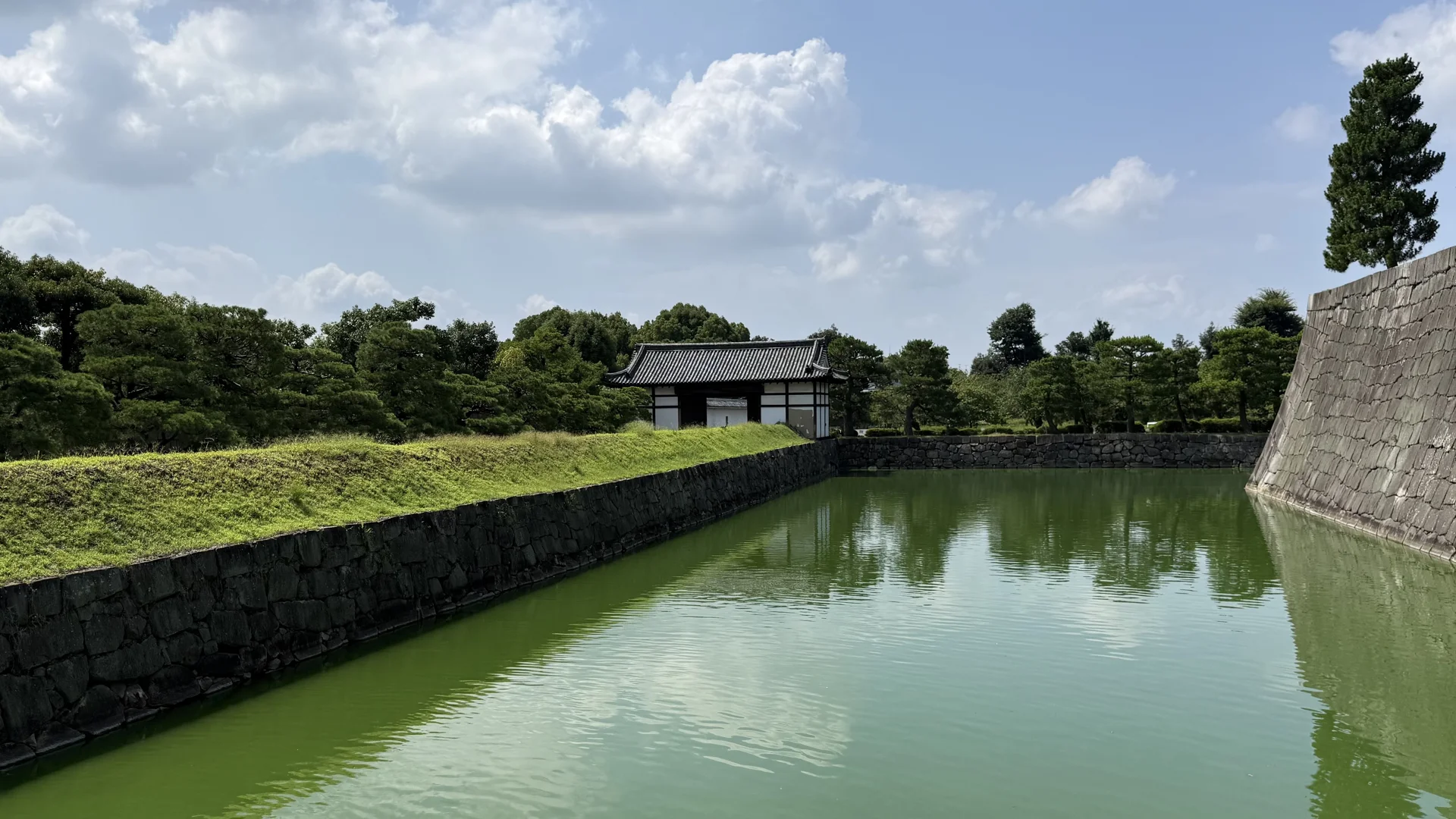
Nijo Castle — a UNESCO gem built to flex Shogun Tokugawa Ieyasu’s power; no photos allowed inside, but the wall painting replicas were stunning
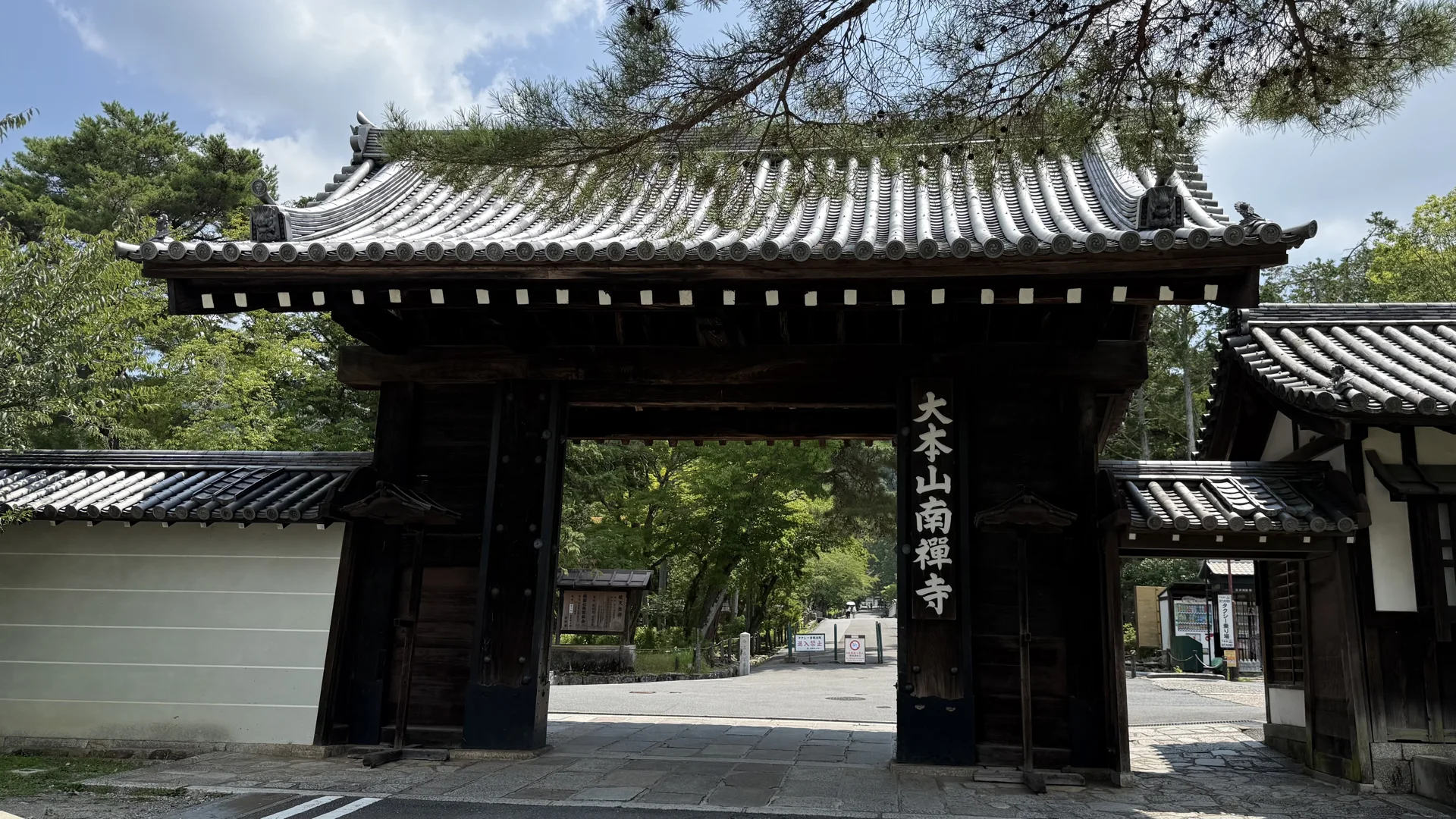
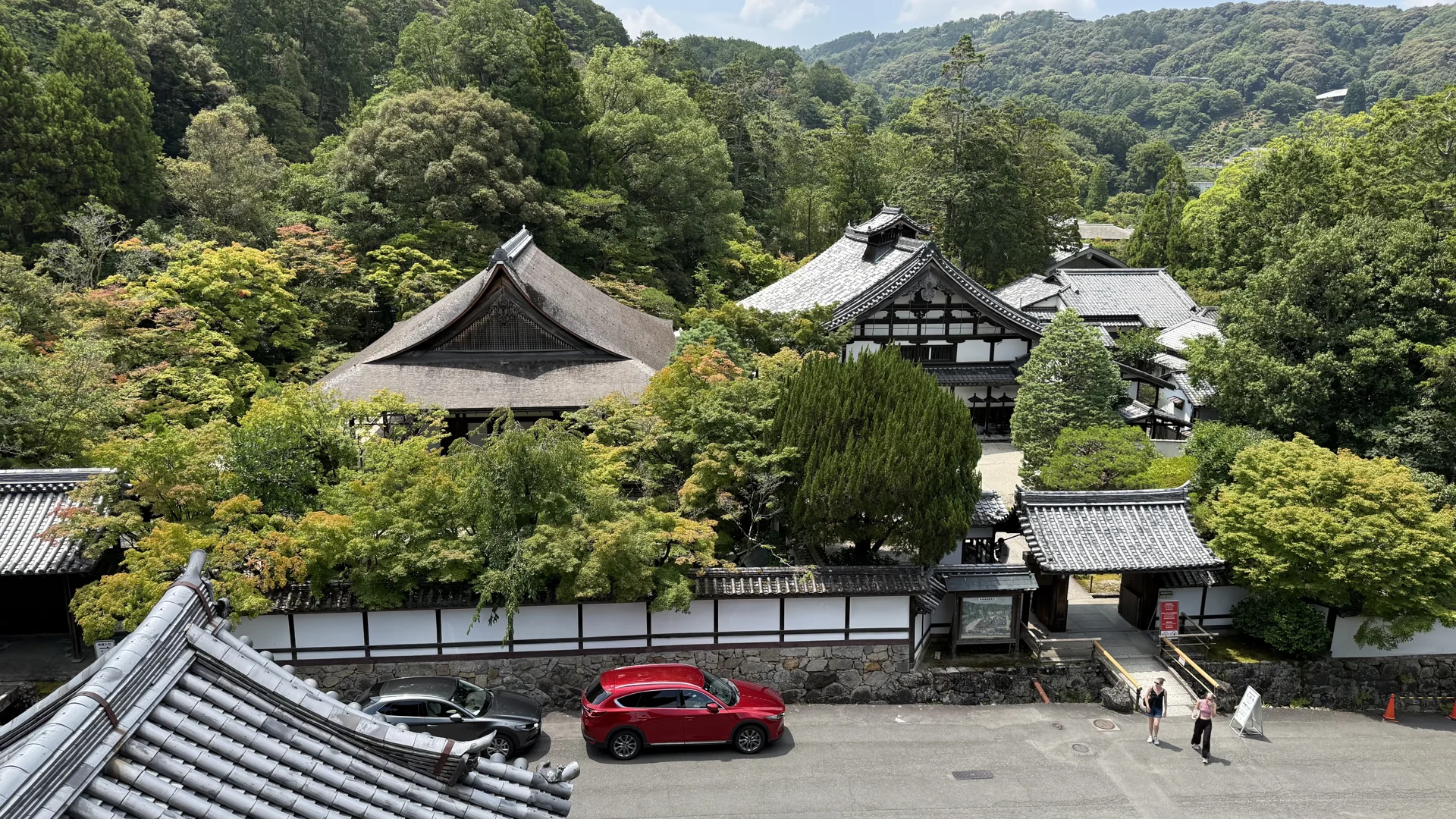
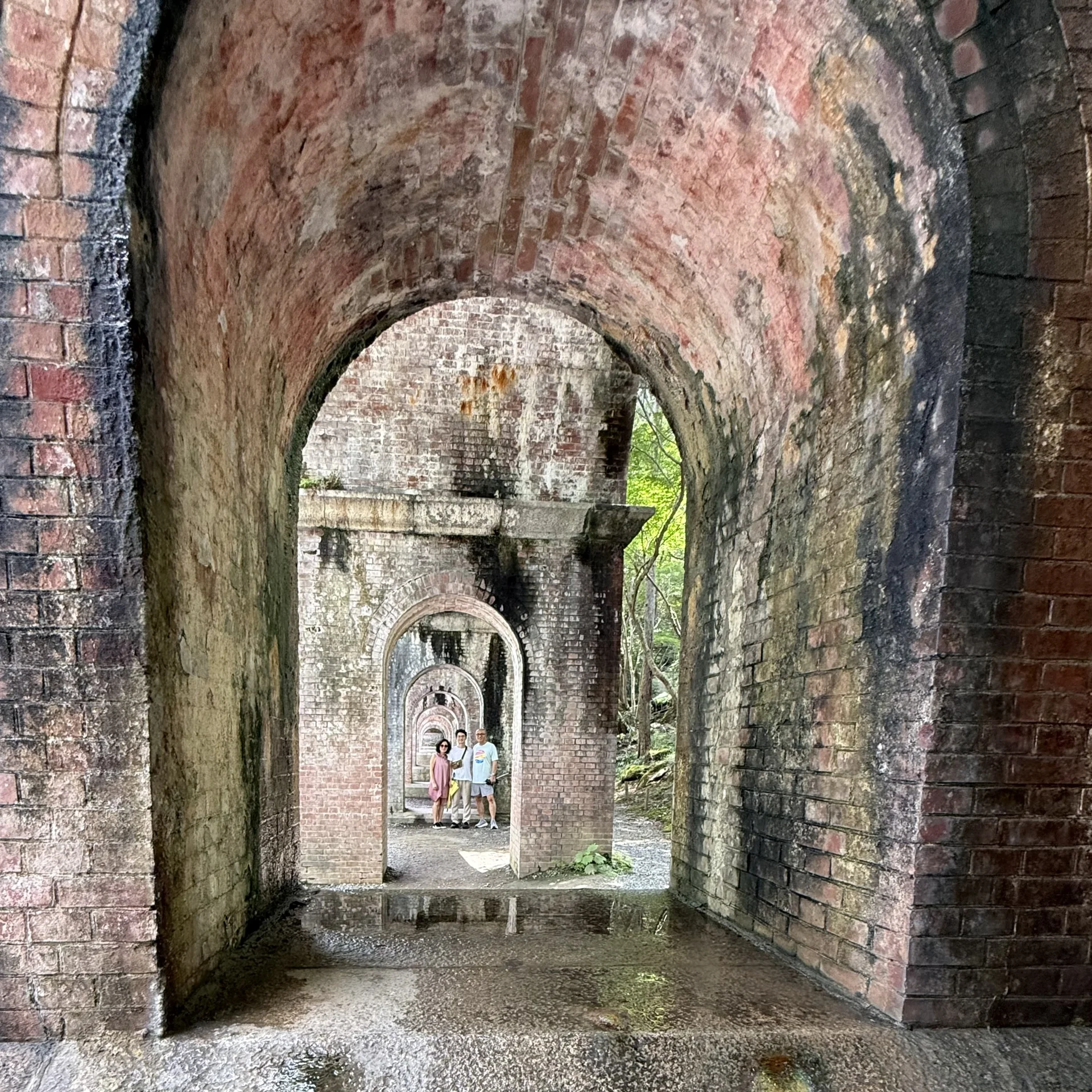
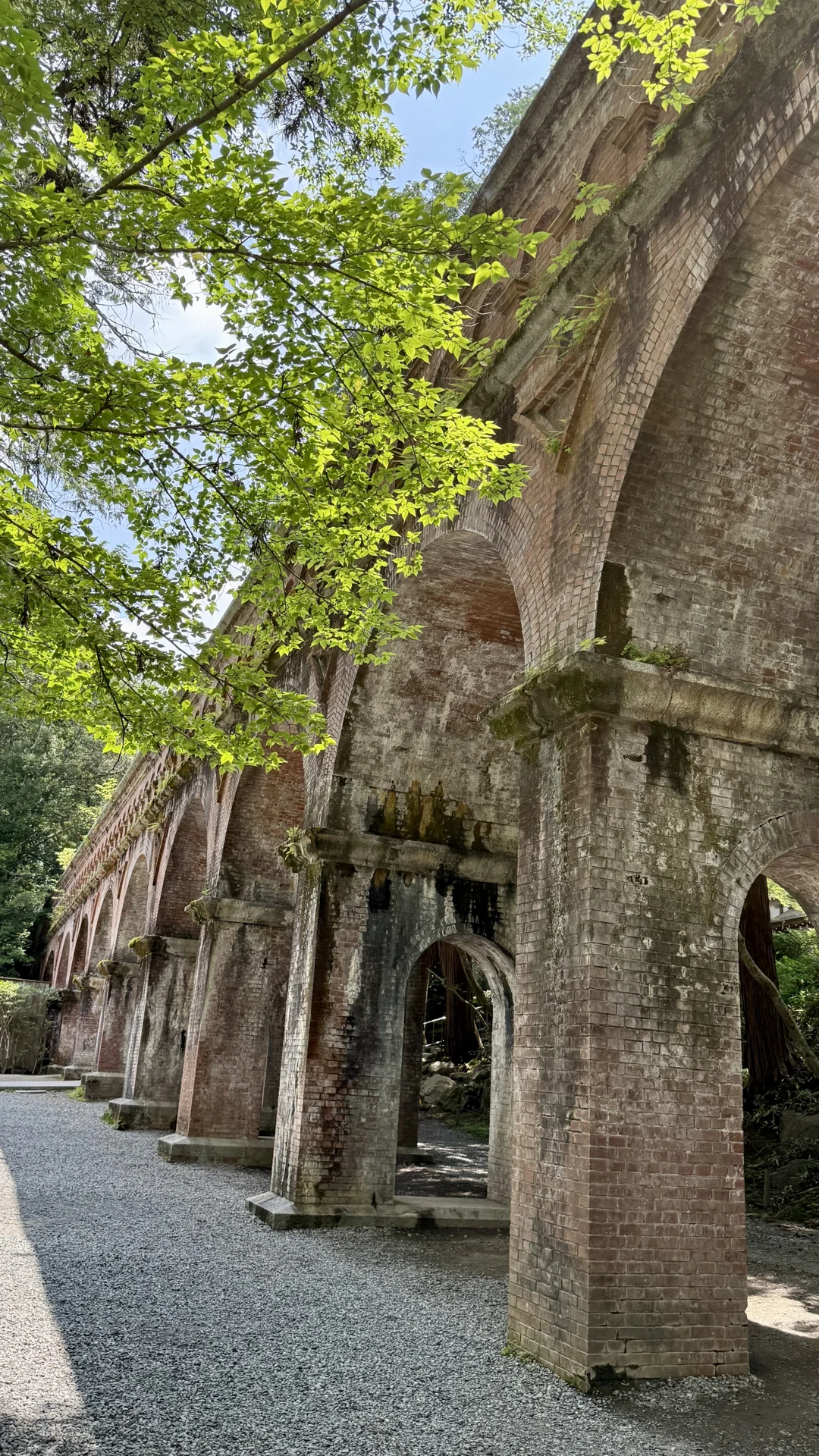
Nanzenji — a major Zen headquarters dating to the 1200s, rebuilt after being leveled in Muromachi-era wars
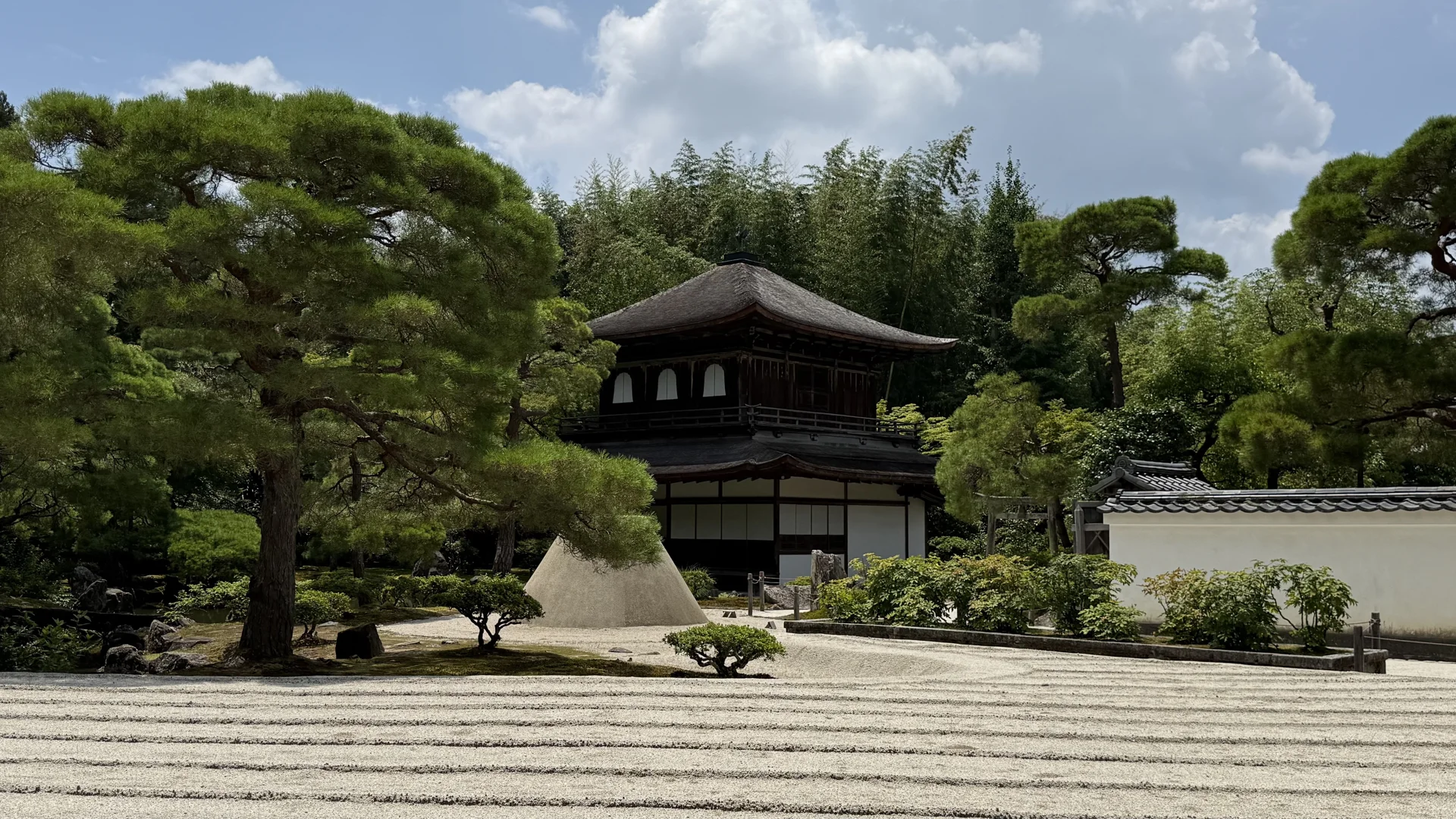
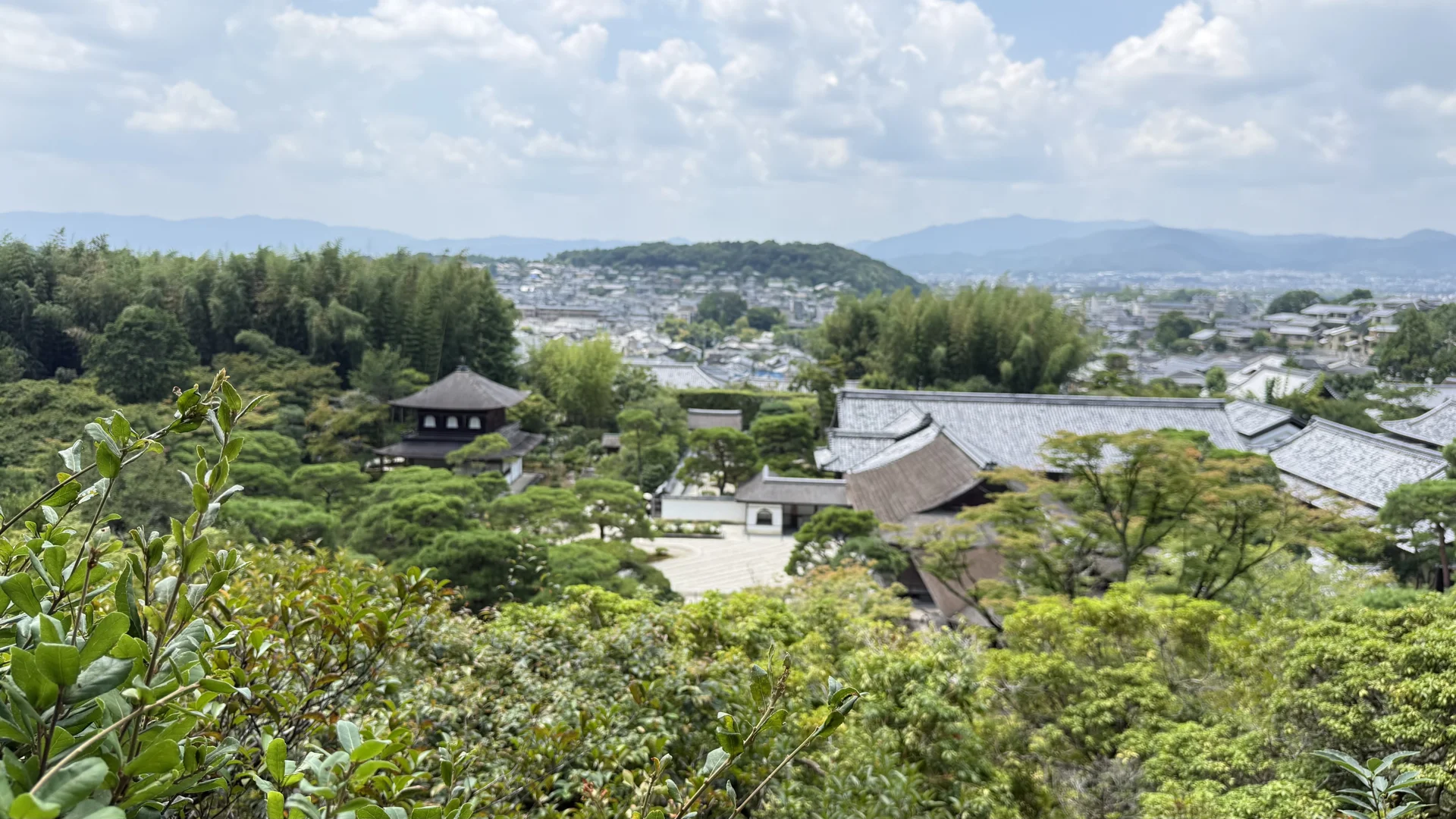
Ginkakuji (Silver Pavilion) — a Zen temple built as a retirement villa, modeled after its flashier cousin Kinkakuji. More subdued — but honestly, I still love the Golden Pavilion more